
Guide
The best zinc supplements compared (2026)
Last updated: 3 August 2026

Written by
Health Tested Editorial Team
Zinc is one of the most important essential trace elements. It's vital for life, but your body can't make or store it on its own. That's why you need a regular supply from a balanced diet.
Zinc is particularly important for a strong immune system, as it protects the body against many diseases. It also plays a central role in cell growth, supports skin health and is essential for a baby's development during pregnancy.
A deficiency can show up as susceptibility to infections, skin problems or poor concentration, among other things, and it's more common than many people think.
Find out when a zinc supplement makes sense, how to spot a quality product and which zinc supplements we recommend most in 2026.

There are countless zinc products on the market, but not all of them are effective.
Zinc: an essential trace element
Zinc is a trace element: a nutrient present in the body only in tiny amounts. Even so, for your body to work smoothly, it should always contain between two and four grams of zinc.
Your body can barely store zinc: its stores don't even amount to 0.01% of your body weight. Zinc is used up quickly, so you need a steady supply from a balanced diet.
When your body is short of zinc, it can slow your whole system down.Why is zinc so important for health?
You can see the effects of zinc in all kinds of areas of health, because it's needed for many different processes in the body.
Zinc is best known for its positive effects on the immune system and on skin health, but it has also shown positive effects in depression.
Studies have shown that taking zinc supplements within the first 24 hours of cold symptoms appearing can greatly reduce how long a cold lasts and how severe it is.
This calls for higher doses of 75 mg, taken for a short period. Taken over a longer period, zinc has even been seen to reduce how often children catch colds.
Zinc helps you fight off colds by preventing viruses from attaching to the host cells in the lining of your nose. Instead, zinc itself occupies the docking sites on these cells and so blocks the viruses.
Another effect of zinc is that it reduces the inflammatory reactions that often come with a cold. It prevents the release of histamine and influences prostaglandin metabolism, so the lining of your nose swells less and breathing becomes easier.
In studies, zinc has been found to be effective against various viruses, including hepatitis viruses, coronaviruses and herpes viruses.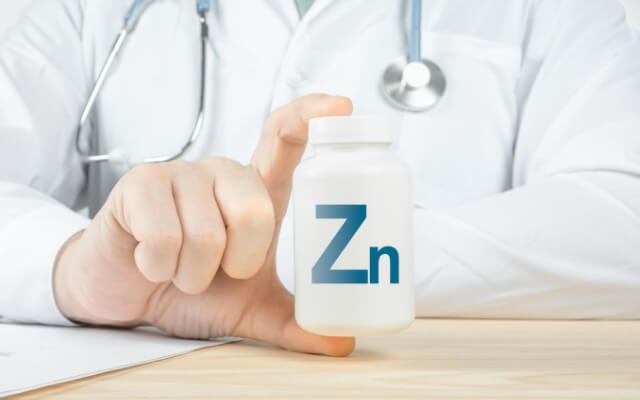
Zinc can strengthen the immune system and promote skin health. It can ease colds, reduce inflammation and help your body fight off viruses by having a positive effect on specific processes in the body.
The key benefits at a glance
According to studies, zinc may have the following positive effects:
- a stronger immune system
- healthy skin, strong hair and strong nails
- an anti-inflammatory effect (e.g. for acne)
- support for cell growth and repair
- protection against free radicals and oxidative damage
- an anti-ageing effect
- an antiviral effect
- a stronger metabolism
- support for hormone balance
- better eyesight
Benefits for mental health
Taking zinc regularly can also benefit your mental health in many ways:
- help with anxiety and depression
- greater resilience
- better mood and stress management (regulation of stress hormones)
- improved cognitive function (such as concentration and memory)
- greater mental resilience
- support for neurotransmitter production
Balanced zinc levels are crucial: how to spot a deficiency early
Signs of zinc deficiency
If you're deficient, the following symptoms can occur:
- high susceptibility to infections
- eczema, hair loss, brittle nails
- diarrhoea
- poor wound healing
- erectile and menstrual problems
- loss of appetite and a reduced sense of taste
- depression
Who needs more zinc?
Zinc is found mainly in animal products such as meat, fish and dairy. If you eat a mainly vegan or vegetarian diet, you should therefore take possible signs of zinc deficiency seriously and, if necessary, get checked for a deficiency.
The risk of zinc deficiency is higher with certain conditions, such as a hereditary disorder, chronic inflammatory bowel disease, alcohol dependence, diabetes, skin conditions, allergies and a weakened immune system.
Certain life circumstances also raise your need for zinc: pregnant and breastfeeding women, athletes, older people and anyone who sweats a lot or is under stress often need more.
It's just as essential to make sure children and teenagers get enough zinc, as a shortfall can cause significant long-term damage.

A zinc deficiency can have serious consequences, especially for the immune system, the nervous system and skin health.
Not all zinc is the same: supplements differ widely
What to avoid when buying zinc
If you decide to take a zinc supplement, steer clear of the following:
- supplements with too high a dose (except for very short periods, e.g. when you have a cold)
- combinations with iron, calcium, copper or folic acid
- low bioavailability
- gelatine capsule shells
- fillers and anti-caking agents
- allergens, if you have allergies (lactose, gluten, soya)
- unnecessary additives
- sugar, alcohol or flavourings
- suspiciously low prices

There are several factors to consider when choosing the right zinc supplement.
Dosage forms: how can you take zinc?
Zinc comes in various forms, so there's something to suit everyone.
Some popular forms of zinc
- tablets
- capsules
- effervescent tablets and lozenges
- zinc in liposomal form
- liquid zinc is less common: drops, ampoules, zinc solution
- coated zinc tablets, zinc gummies, zinc granules and zinc powder are even rarer
The choice mainly comes down to individual preferences and needs. However, bioavailability can differ, and capsules in liposomal form have proved to be the most effective.
Sprays and drops can have the advantage of being absorbed faster under the tongue, so they take effect sooner. Gummies, on the other hand, are particularly suitable if you don't like swallowing tablets.
Capsules
Pros
Easy to swallow
Practical when travelling and on the go
Easy to dose (consistent active ingredient content)
No unpleasant taste or smell
Can be combined with other active ingredients
Cons
Stomach acid can affect absorption of the active ingredient
Digestion can partly break down the active ingredient
The bioavailability of the active ingredient can vary
The capsule shell may contain gelatine
Often contains additives
Unsuitable for people with swallowing difficulties
A high dose may require several capsules
Drops
Pros
Easy to dose
Fast absorption of the active ingredient (via the mucous membranes)
Good for people with swallowing difficulties or stomach problems
Versatile: can be mixed into drinks or food
Cons
The drops can taste unpleasant
Exact dosing can be difficult, as the number of drops varies
The liquid can leak or spill
Short shelf life
Liposomal form
Pros
Highest bioavailability of the active ingredient
Better absorption by bypassing stomach acid
Lower dose needed for the same effect
Can mask the taste of the active ingredient
No additives
Cons
May cost more because manufacturing is more complex
Availability and choice may be limited
Producing liposomes can be difficult and requires specialised technology
Less choice, as not all manufacturers can use this method
Because they measure just nanometres across and are rich in fats, liposomes protect the zinc inside them from being broken down by enzymes, such as those in saliva, and by stomach acid. They release the zinc directly into the bloodstream, which significantly improves its absorption.
Liposomal zinc: the best-absorbed form
Liposomal zinc is an advanced and particularly well-absorbed form of zinc. The active ingredient is packed into tiny, natural fat bubbles called liposomes. These protect the zinc on its way through the digestive tract and help carry it efficiently into the bloodstream.
This has several advantages:
-
Better absorption: your body can use the zinc more easily.
-
Greater effectiveness: the zinc arrives exactly where it's needed.
-
Gentle on the stomach: it's particularly well tolerated, even if your digestion is sensitive.
Taking zinc in liposomal form improves your body's ability to absorb it, which considerably increases its effectiveness.

Simplified model of a liposome, with a layer of fat on the outside and a watery chamber inside. Liposomes are an innovative technology for the targeted, efficient release of active ingredients. That's why they're now widely used in medicine and cosmetics.
More advantages: a longer-lasting effect and better tolerability
Conventional zinc usually reaches its peak concentration in the blood within 6–8 hours, and then levels fall sharply.
Liposomal zinc, by contrast, releases its zinc gradually and can stay active in the bloodstream for up to 14–16 hours, which makes it better suited to people who get less zinc from their diet. Liposomal zinc can be absorbed four times more easily by your body than conventional zinc.
Zinc in liposomal form is also better tolerated. Ordinary zinc can cause nausea or an upset stomach in around 12–15% of users. Thanks to their protective lipid coating, liposomal forms can greatly reduce the likelihood of side effects like these.
Top 3: the best zinc products in 2026
There are now countless zinc products on the market. So we assessed them against several criteria to find the best for you:
How is the zinc product formulated?
Are there any study or test results?
How high is the dose of zinc?
Does the product contain any allergens?
How good is the value for money?
Is there anything special about the formulation or production?
product review
TESTED
our quality criteria
MELINAVA Liposomal Zinc
by MELINAVA
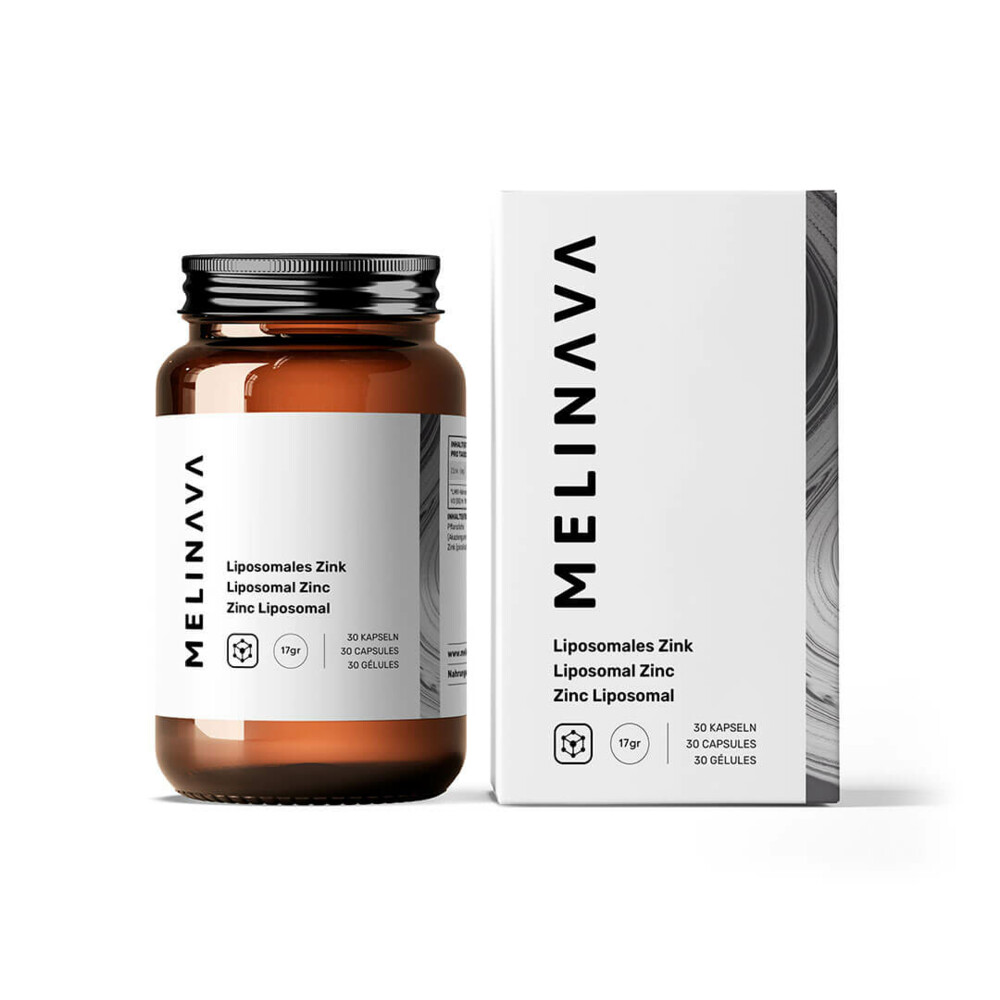
Pros
- Suitable for acute zinc deficiency
- Ideal dose: 10 mg (liposomal)
- Highest bioavailability thanks to liposome technology, up to 4x that of conventional zinc
- Protection from stomach acid thanks to the liposomal coating
- Longer-lasting effect
- Fewer side effects
- Suitable for people with sensitive stomachs
- No allergens (tested for 14 allergens)
- Free from soya, gluten and lactose
- Gelatine-free capsule
- No fillers
- Free from impurities
- Made in Europe (France)
- High-quality glass bottle you can reuse afterwards, e.g. for spices
Cons
- Only available online
- Often sold out
- Only available as capsules
Verdict
Melinava Liposomal Zinc achieved the highest overall score and impressed us on several counts. The 10 mg of zinc picolinate it contains already has high bioavailability, which the liposomal form increases even further.
This means you need to take less of the product and still get a greater effect.
The effect also lasts 14–16 hours, compared with just 6–8 hours for ordinary zinc.
The liposome technology also leads to higher customer satisfaction, because it is gentle on the stomach and so lowers the risk of side effects.
Melinava's products are built around effectiveness and 100% pure, top-quality ingredients, and this is reflected in the positive customer reviews.
User satisfaction and the many positive customer reviews of Melinava Liposomal Zinc are a sign of the product's success.
It has already been used successfully for a weakened immune system, cold symptoms, skin problems and also tiredness or poor concentration. Many users report positive effects, especially on their energy levels and general wellbeing. It is also said to have a positive effect on mood.
According to the manufacturer, the raw materials used are free from unnecessary additives. The good tolerability and the mostly positive reviews led to a high overall score in our comparison.
You only need to take one capsule of Melinava Liposomal Zinc a day.
A pack contains 30 capsules.
Melinava takes first place in our test (as of January 2026). The manufacturer takes tolerability very seriously, which is why the product is completely free from unwanted additives. You can find more information on the manufacturer's website.
Vanosan Zinc
by VANOSAN
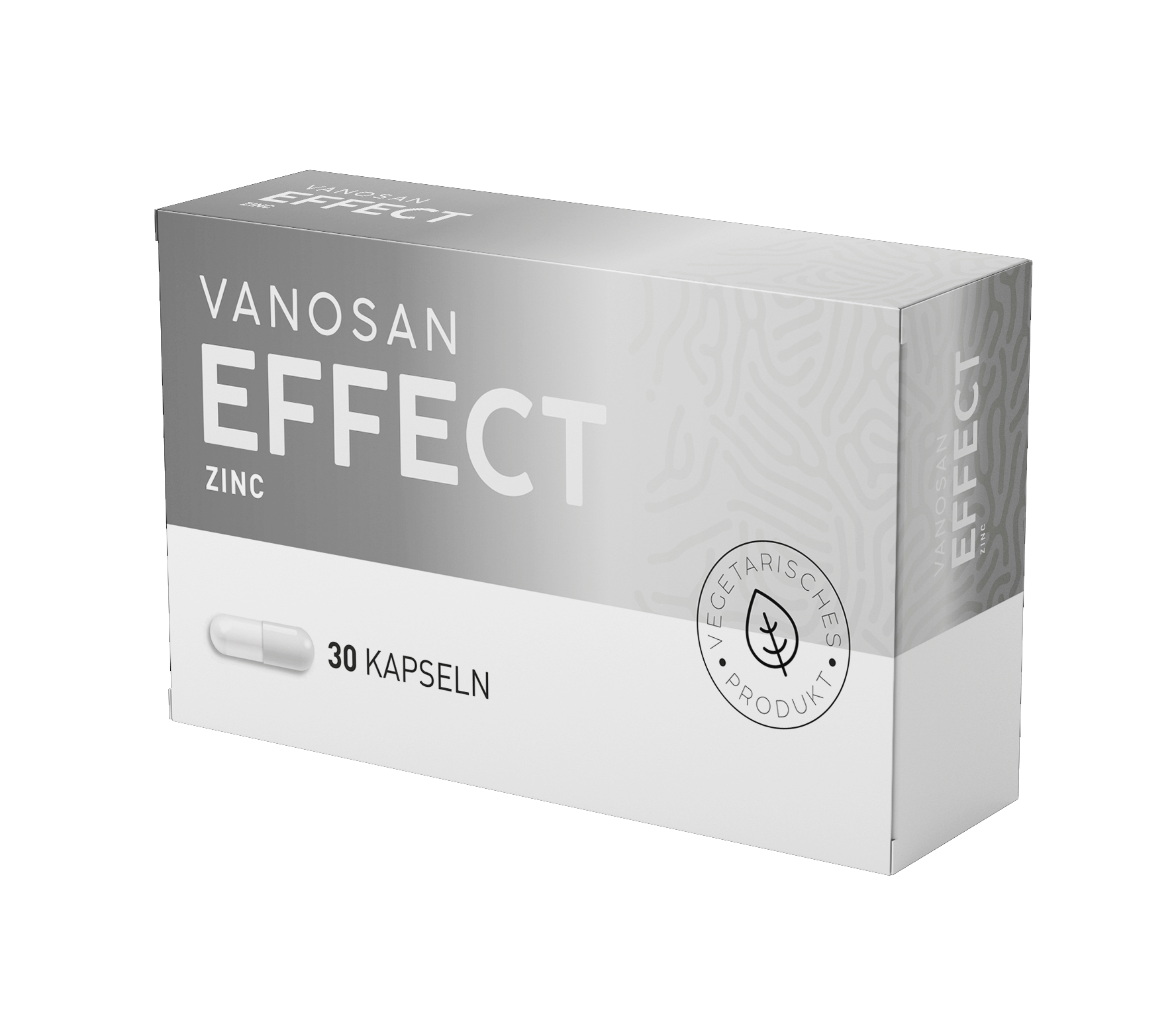
Pros
- Suitable for acute zinc deficiency
- Free from soya and gluten
- Vegetarian
- Laboratory-tested
- Few additives
- Gelatine-free capsule
- No fillers
- Free from impurities
- Made in Germany
Cons
- The dose may be too high
- No protection from stomach acid
- The tablets are hard to split
- Contains preservatives
Verdict
Vanosan Zinc tablets contain 25 mg of zinc bisglycinate, a form of zinc that is well absorbed.
However, side effects can occur if you already get a lot of zinc from your diet, especially if you exceed 40 mg a day.
Users are positive about Vanosan Zinc. For many of them, taking it over a longer period reduces their susceptibility to infections and so has a positive effect on the immune system.
Some customers complain that they find the dose too high and that the tablets are very hard to split in half.
Vanosan Zinc contains lactose and is therefore not suitable for vegans.
Take one tablet a day with a meal.
A pack contains 30 tablets.
Zinkletten lozenges
by VERLA
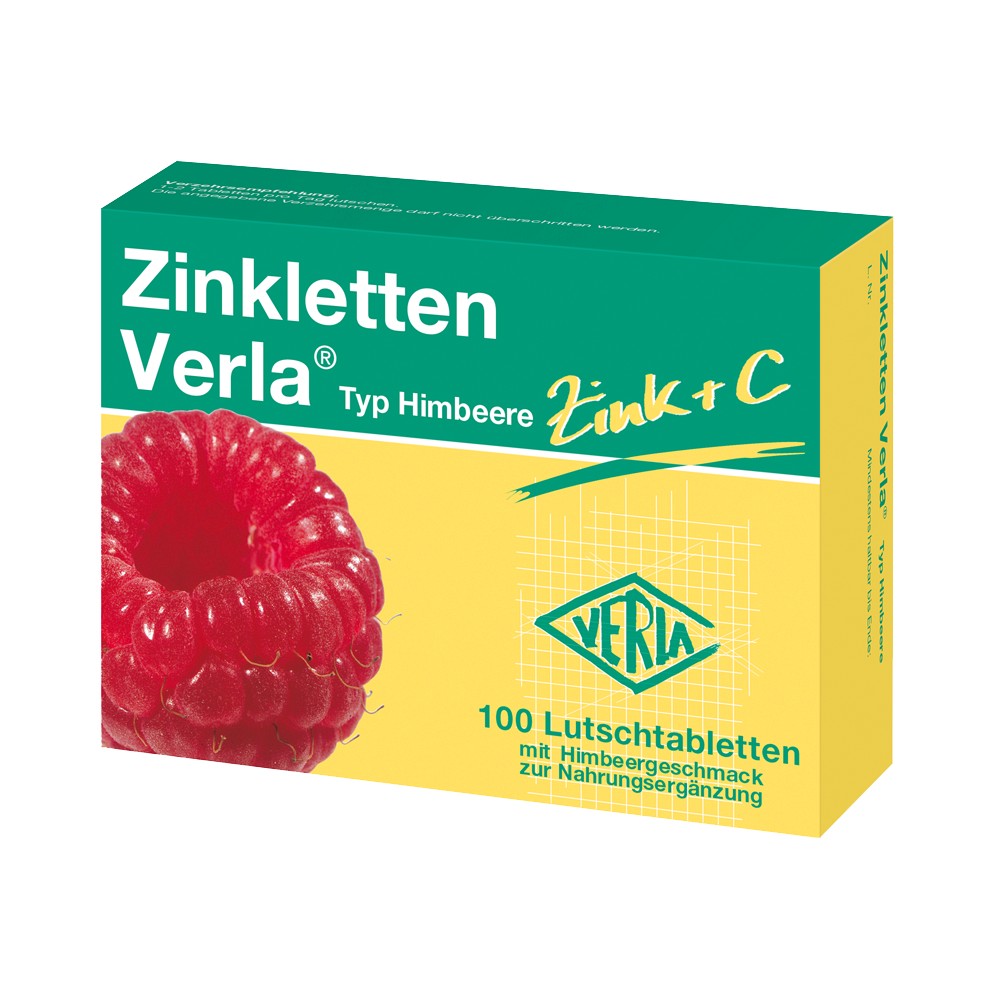
Pros
- Low price
- Combined with 30 mg of vitamin C
- No tablets to swallow
- Partly absorbed through the lining of the mouth
- Raspberry flavour makes them well suited to children
- Vegan
- Tested for contaminants
- Laboratory-tested
- Made in Germany
Cons
- Contains sugar and flavouring, so not suitable for everyone
- Zinc citrate is absorbed slightly less well than zinc picolinate
- Some customers report little or no effect
Verdict
At 5 mg of zinc citrate per lozenge, Verla's Zinkletten are fairly low-dose.
If you need more, you will have to take several lozenges. The product is combined with vitamin C, which can be worth taking when you have a cold.
Users are mostly positive about Zinkletten. They are well tolerated and bring relief from colds and infections. Some customers dislike the raspberry flavour, mainly because they find it too artificial.
The recommended dose is 1–2 lozenges a day.
A pack contains 100 lozenges.
Delivery is free with Amazon Prime and usually takes 1–2 working days.
Goodbye, acne: what zinc does for your skin
It's well documented that zinc supports the immune system and can shorten colds. But the trace element can do a lot more, especially when it comes to skin health.
Zinc deficiency often shows up first in the skin, hair and nails. That's no surprise, as zinc is involved in many of the processes that determine how healthy your skin looks. Thanks to its anti-inflammatory and sebum-regulating properties, it's often prescribed for skin problems such as acne, spots or poor wound healing.
How zinc can support your skin
-
relieves inflammation and redness
-
helps prevent blemishes
-
regulates sebum production and helps with clogged pores
-
reduces oily shine
-
supports skin repair (e.g. after irritation or with acne scars)
-
has an antioxidant effect and protects against environmental damage and premature skin ageing

Zinc may help with acne and blemishes, and it also supports skin repair and protects your skin from premature ageing.
Zinc can also affect the health of your hair
Zinc is particularly important for your hair, as a deficiency can often lead to hair loss. Zinc stimulates the formation of new hair cells, which is why researchers are looking into whether it could be used against hair loss.
And if you regularly find small white spots on your fingernails, taking zinc can often help with these too.
Zinc and depression
Zinc can also be helpful for depression. Various studies have found that many people with depression have low zinc levels. The lower their zinc levels, the more pronounced their symptoms of depression.
In studies, taking zinc regularly over several months led to positive results: it eased depressive symptoms and improved general wellbeing. Zinc supports the function of important neurotransmitters that are crucial for your mood, and it contributes to regulating the nervous system. Balanced zinc levels can therefore play an important role in supporting mental health.

Low zinc levels can make depressive symptoms worse. Studies show that getting the right amount of zinc can support wellbeing and stabilise mood.
Our verdict: zinc supports your body in many ways
Zinc is a true all-rounder: it supports skin regeneration, helps keep the immune system strong, helps build strong hair and nails and also plays an important role in mental balance.
A supplement can be worthwhile, especially at times of high stress or if your diet is unbalanced, to give your body targeted support and get your energy back.
If you'd like to improve your zinc intake, you'll find the best products in our comparison: carefully selected, clearly explained and rated with everyday use in mind. Take a look at our recommendations and find the right support for your day-to-day life.
See the zinc products we tested
* We may earn a commission from some of the companies featured. This is how we keep our comparisons free to read.
Some of these companies are our commercial partners.
Sources
1. https://pubmed.ncbi.nlm.nih.gov/21328251/
2. https://www.frontiersin.org/journals/microbiology/articles/10.3389/fmicb.2023.1218654/full
4. https://www.deutsche-apotheker-zeitung.de/daz-az/2001/daz-50-2001/uid-5197