
Guide
Quercetin: the best products compared (2026)
Last updated: 5 August 2026

Written by
Health Tested Editorial Team
Quercetin is a natural plant pigment that's often called 'the king of flavonoids'. The nickname is no accident: quercetin protects plants from environmental threats and also has many positive effects on human health.
Quercetin has antioxidant and anti-inflammatory effects that can help to reduce swelling, control blood sugar and even prevent heart disease.
No wonder scientists are studying it so closely. But what exactly is quercetin, and how can you make the most of it? Here you'll find an overview and a detailed look at the best quercetin products of 2026.

There are countless quercetin products on the market, but not all of them are effective.
Quercetin: the king of flavonoids
Quercetin is a yellow pigment found naturally in plants. Plants produce it to protect themselves from environmental threats such as sunlight, pests, viruses, fungi and bacteria. That's why it's most concentrated in the outer parts of the plant, such as the skin, bark and flowers.
But quercetin doesn't only protect plants: it also has many positive effects on human health. It's often called 'the king of flavonoids' because it can neutralise free radicals and harmful substances that attack cells and can damage them. In this way, quercetin helps to protect your cells from oxidative stress.
In fact, it's even more effective than the health-promoting catechins in green tea. Thanks to all these properties, quercetin may help with various complaints caused by free radicals, and may also slow ageing and ease metabolic problems.
A natural anti-inflammatory
In itself, inflammation is an important way for your body to fight infection and start the healing process. But when inflammation becomes chronic, it can lead to serious health problems such as heart and kidney disease and cancer.
Studies show that quercetin can help to reduce inflammation effectively. It protects cells by preventing damage from free radicals. A 2019 study looked at various substances that strengthen the immune system and found that quercetin is one of the most effective flavonoids against inflammation.¹
It can also lower a particular marker of inflammation in human blood that is often raised during infections, inflammation and tissue damage.
Quercetin has also proved effective in treating other diseases
Quercetin has even been used successfully in studies on prostatitis and rheumatoid arthritis:
- Prostatitis: in men with prostatitis (inflammation of the prostate gland), taking 500 mg of quercetin twice a day for one month noticeably relieved their symptoms.²
- Rheumatoid arthritis: in an eight-week study of 50 women with rheumatoid arthritis, taking 500 mg of quercetin a day noticeably reduced morning stiffness and pain after physical activity. They also had lower levels of inflammatory markers in their blood than the placebo group.³
Animal studies also show that quercetin may have positive effects on asthma, allergies, osteoarthritis, inflammatory bowel disease and skin inflammation.
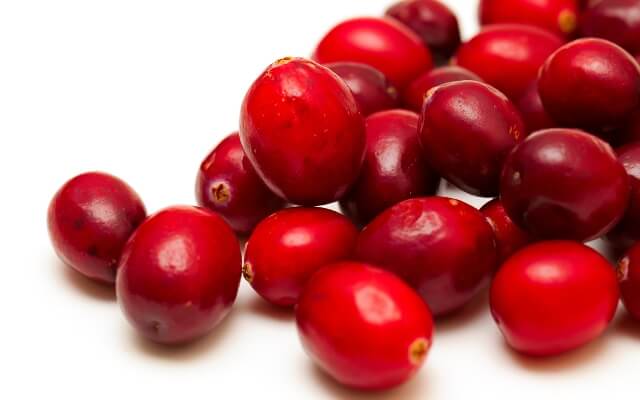
Red fruits, onions, apples and capers are rich in quercetin, a natural plant compound with anti-inflammatory and antioxidant properties that can help your body in many ways.
Quercetin and cardiovascular disease
Quercetin may also help to reduce the risk of cardiovascular disease. A group of Chinese researchers carried out a comprehensive analysis of how quercetin supplements affect blood pressure, cholesterol levels and blood sugar levels. They found 17 international studies from the past 20 years, with almost 900 participants.
The results show that quercetin can bring about a marked reduction in blood pressure. Blood lipids also improved (especially 'good' HDL cholesterol and triglycerides) in participants who took quercetin for at least eight weeks. Overall, the study suggests that quercetin can reduce the risk of cardiovascular disease, mainly through its effect on blood pressure.
Putting the brakes on histamine
Quercetin is often called 'a natural antihistamine' and may help to relieve chronic allergies. A Japanese study confirmed that quercetin can significantly reduce allergy symptoms such as a blocked nose.⁴
Conventional antihistamines block the H1 receptors after histamine has already been released. Quercetin steps in earlier. It stabilises mast cells, the immune cells that store and release histamine. By stabilising these cells, quercetin stops the release before it even happens.
Because quercetin slows the release of histamine, it may also help with allergic skin rashes such as eczema.The key benefits at a glance
Taking quercetin regularly can offer many health benefits. Here's a summary of the most important ones:
- has positive effects on the cardiovascular system
- has an anti-ageing effect
- helps with allergies
- acts as a shield against harmful substances
- is anti-inflammatory
- protects and repairs nerves
- helps with cystitis
- lowers blood sugar
- works against high blood pressure
- strengthens the immune system and fights viruses
- prevents Alzheimer's disease
- may support physical performance
- may protect the brain from damage, for example from radiation
Benefits for mental health
The right quercetin supplement may offer the following:
- antidepressant and calming properties
- stress relief
- support for balanced levels of neurotransmitters (e.g. serotonin, dopamine and noradrenaline)
- a better quality of life through better health

Vitality and energy: quercetin protects cells, reduces inflammation and supports long-term cell health. Its antioxidant properties may help to slow down the ageing process.
Not all quercetin is the same: there are big differences between products
What to avoid when buying quercetin
When you choose a quercetin supplement, it's important to check a few things. Here's what you should avoid at all costs:
- low bioavailability
- products with a dose that is too low
- gelatine capsules
- fillers and anti-caking agents
- allergens (lactose, gluten, soya)
- unnecessary additives
- sugar, alcohol or flavourings
- inflated prices

There are several things to consider when choosing the right quercetin supplement.
Forms: how can you take quercetin?
The most popular forms of quercetin
- powder
- capsules
- liposomal quercetin
Capsules are the best-known form of quercetin, but it also comes as a powder. Liposomal quercetin, which also comes in capsules, is worth a mention too. To make your choice easier, we've set out the pros and cons of each form below:
Quercetin supplements: capsules or powder?
The classic form of quercetin is the capsule: tried and tested, effective and easy to use. The plant-based active ingredient also comes as a powder. But an innovative alternative is attracting more and more attention: liposomal quercetin in capsules. Liposomes make sure the active ingredient is absorbed particularly effectively.
To help you choose, here are the pros and cons of each form:
Powder
Pros
For people who do not like swallowing tablets
Can be mixed into drinks
Children often find it easier to take
Cons
The taste can be unpleasant
Measuring your own dose can be imprecise
Often a lower active ingredient content
Short shelf life
Fiddly to use and easy to spill
Capsules
Pros
Easy to swallow
Convenient on the go and when travelling
Easy to dose (consistent active ingredient content)
No unpleasant taste or smell
Can be combined with other active ingredients
Fewer fillers than tablets
Cons
Sometimes larger than tablets
Digestion can partly break down the active ingredient
The bioavailability of the active ingredient can vary
The capsule shell may contain gelatine
Unsuitable for people with swallowing difficulties
A high dose may mean taking several capsules
Liposomal form
Pros
Capsules that are easy to swallow
Maximum bioavailability of the active ingredient
Better absorption thanks to protection from stomach acid
A lower dose is needed for the same effect
Can mask the taste of the active ingredient
No additives
Fewer side effects
Cons
May cost more, because manufacturing is more complex
Making liposomes can be difficult and requires specialist technology
Less choice, as not every manufacturer can use the method
Liposomal quercetin gives the best absorption
Quercetin has one big problem: your body absorbs it poorly when you take it as an ordinary supplement.
The best way to increase its bioavailability, and with it absorption, is to encapsulate the quercetin in liposomes. This means you need to take much lower doses to achieve the same effect.
How the liposomal method works: to help your body absorb plant substances better, they're wrapped in certain fats called phospholipids. This creates phytosomes. Their advantage is that they dissolve better in water, so they pass more easily through the gut wall into the bloodstream. Because cell membranes are also made of phospholipids, phytosomes can fuse directly with them and release their contents straight into the cell. This way, the plants' active ingredients get where they're needed quickly and safely, with no chemical conversion.
The result: your body absorbs quercetin up to 12 times better.
Because they measure just nanometres across and are rich in fats, liposomes protect the quercetin from being broken down by enzymes in saliva and by stomach acid. They also release the quercetin directly into the bloodstream, which significantly improves absorption of the substance.
More advantages: a longer-lasting effect and better tolerability
Your body absorbs conventional quercetin quickly: it peaks in the blood within an hour and is then broken down just as fast.
Thanks to liposome technology, liposomal quercetin can stay active in the bloodstream for longer, which makes for a longer-lasting supply.
What's more, liposomal quercetin is particularly well tolerated. While conventional products can cause mild stomach problems in some people, the protective lipid coating of liposomal products significantly reduces the risk of side effects like these.

A simple model of a liposome, with a fatty layer on the outside and a watery chamber on the inside. Liposomes deliver active ingredients precisely and effectively. That's why they've become firmly established in medicine and cosmetics, where they're used in a wide range of ways.
Top 3: the best quercetin products of 2026
There are countless quercetin products on the market today. We've assessed them against the following criteria to find the best:
What is the supplement made of?

Are there studies or scientific papers?

How high is the dosage of quercetin?
Does the product contain allergens?

How good is the value for money?

Does the composition or manufacturing have any special features?
product review
TESTED
our quality criteria
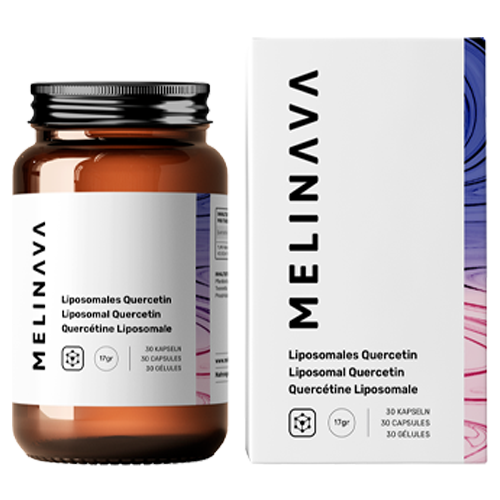
MELINAVA Liposomal Quercetin
by MELINAVA
Pros
- Ideal dose: 80 mg (liposomal)
- Maximum bioavailability thanks to liposome technology (12 times better absorption by the body)
- Protection from excess stomach acid thanks to the liposomal coating
- Longer-lasting effect
- Fewer side effects
- Suitable for people with a sensitive stomach (piperine-free)
- Free from soya, gluten and lactose
- Gelatine-free capsule
- No fillers
- No impurities
- Made in Europe (France)
- Supplied in a high-quality glass bottle that you can reuse at home, e.g. for spices
Cons
- Only available online
- Often sold out
- Only available as capsules
Verdict
Melinava's liposomal quercetin received the highest overall score and is our personal favourite. Thanks to liposome technology, the dose is much lower than in conventional products. Each capsule contains 80 mg of liposomal quercetin, which is 12 times more bioavailable and so matches an effective dose of around 960 mg in conventional quercetin capsules.
This means you take less and still get a stronger effect.
The liposome technology also leads to higher customer satisfaction, because it is gentle on the stomach and so reduces the risk of side effects. MELINAVA attaches great importance to high safety standards in production and to offering a natural, high-quality product without unnecessary additives, which also reduces the risk of side effects.
Melinava's liposomal quercetin has already been used with excellent results for problems such as inflammation, allergies and a weakened immune system. Users also report visibly better skin and relief from mental health complaints such as stress and low mood. Overall, it is credited with a calming and balancing effect.
You only need to take one Melinava Quercetin capsule a day.
Each pack contains 30 capsules.
Melinava takes first place in our test (as of January 2026). The manufacturer takes the product's tolerability very seriously, which is why it is completely free from unwanted additives.
You can find more information on the manufacturer's website*.
A month's supply of Melinava costs 399 kr (discounts when you buy 2 or 3 packs, as of January 2026).
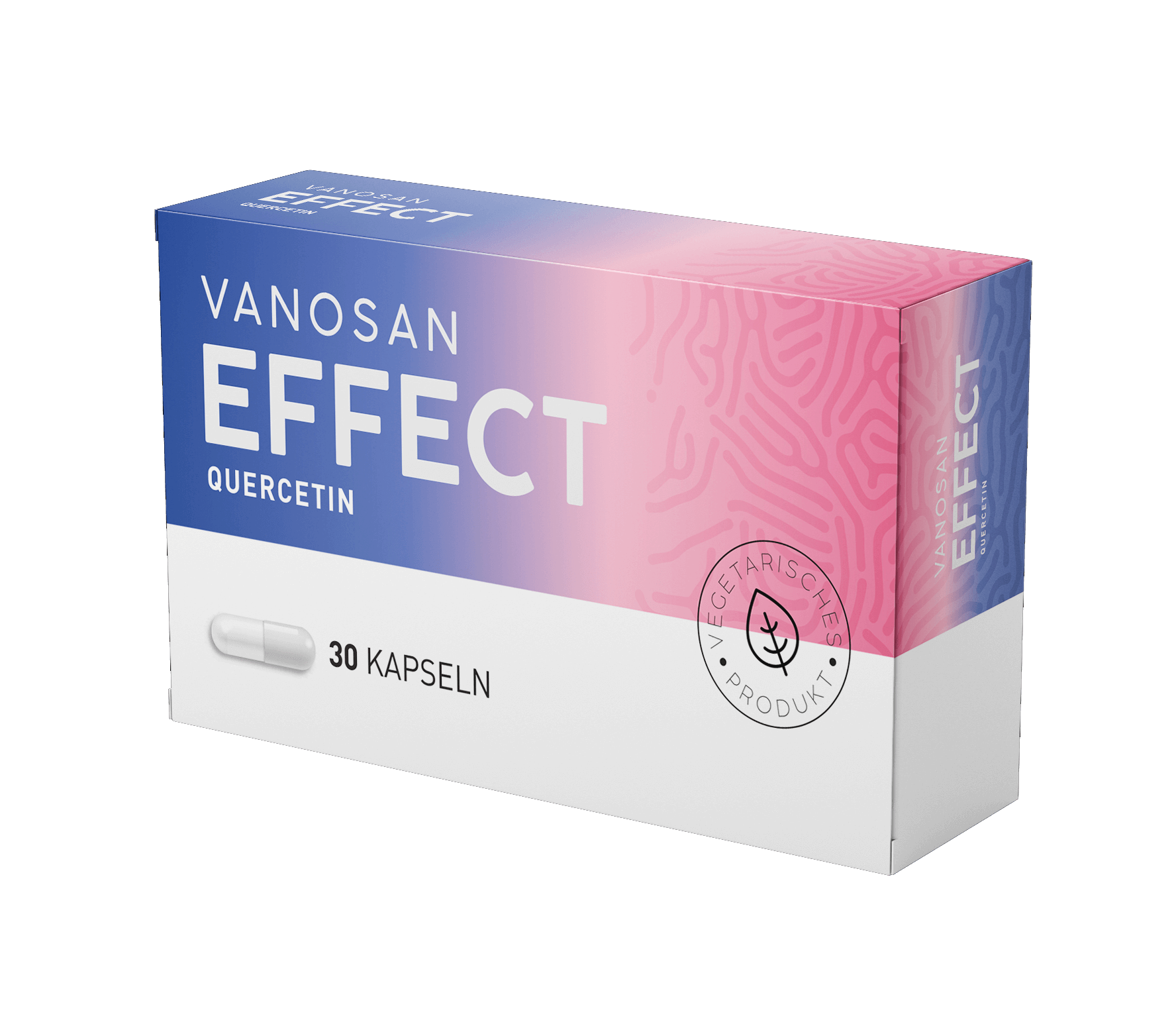
Vanosan Quercetin
by VANOSAN
Pros
- 500 mg quercetin
- Soya-free and gluten-free
- Vegan
- Contains piperine, which improves bioavailability
- Laboratory-tested
- Free from many additives
- Made in Germany
Cons
- Does not protect against heartburn
- Contains preservatives
- Only available online
- Does not increase bioavailability
Verdict
Vanosan Quercetin is well dosed, with 500 mg of quercetin per daily dose. However, the dosage form limits how well your body can absorb it. There are no studies on how much of the quercetin is actually available to the body.
The capsule shell is made without animal ingredients, so it is also suitable for vegetarians and vegans.
Users rate Vanosan Quercetin positively. It is well tolerated and eases complaints such as cold symptoms and stress. Overall, users' experiences have been good.
It is made in Europe and usually dispatched within 1–3 working days.
Take one capsule a day with a meal.
Each pack contains 30 capsules.
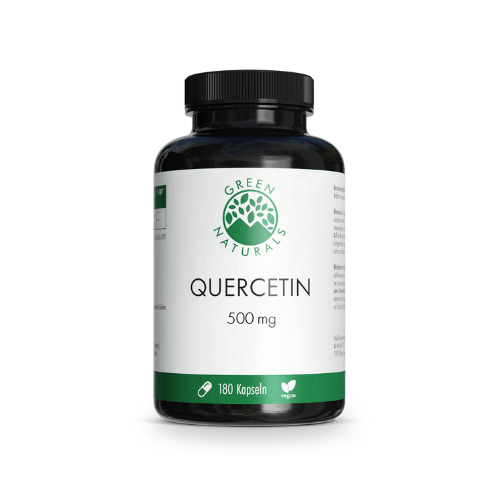
CHERCETIN 500 mg
by CHERCETIN
Pros
- Good price
- Laboratory-tested
- Also contains grape seed extract
- Vegan
- Contains no harmful substances
- Free from many additives
- Made in Germany
Cons
- Low dose
- Does not increase bioavailability
- Does not protect against heartburn
- Some customers report little or no effect
- Only available online
- Must be taken with meals
Verdict
CHERCETIN capsules contain 500 mg of quercetin per dose. However, the dosage form limits how well your body can absorb it, and the product uses no method to increase bioavailability.
Above all, it is good value for money, as one pack lasts six months. Customers rate it positively, and many feel fitter and more balanced after taking it.
However, several users complain that the capsules are only half full or vary in shape, which makes the dosage imprecise. Some have also reported side effects such as nausea when taking them on an empty stomach, so the capsules should be taken with a meal for better tolerability. If you have chronic symptoms, it may not do enough.
Take one capsule a day.
Each pack contains 180 capsules.
Delivery with Amazon Prime is free and usually takes 1–2 working days.
Protecting the brain: the effect on Alzheimer's disease
Coffee is linked to possible protection against Alzheimer's disease, and researchers now think the quercetin it contains could be responsible. Studies suggest that quercetin's antioxidant properties can lower the risk of degenerative brain diseases such as Alzheimer's disease and dementia.
Early laboratory and animal studies show promising results: quercetin could support the nervous system, especially after brain haemorrhages, strokes, inflammation or damage caused by an unhealthy diet.
In a study of mice with Alzheimer's disease, the animals were given quercetin injections every other day for three months. By the end of the study, several markers of Alzheimer's disease had been reversed, and the mice did noticeably better in learning tests.⁵
Protecting and repairing the nerves
Quercetin has a neuroprotective effect: it neutralises harmful substances and supports the repair of nerve cells and the formation of new ones, an important factor in conditions such as neuropathy.
It strengthens your body's own defences against diabetes-related nerve damage and, thanks to its anti-inflammatory properties, can relieve nerve pain. Quercetin also helps to restore balance in your body and can ease diabetes-related complications such as nerve, kidney or eye problems (e.g. cataracts).
Quercetin has also shown a protective effect against neurotoxicity from heavy metals such as lead, methylmercury and tungsten.⁶

A clear mind in later life? Quercetin could contribute to brain health in a new way.
Skin health and anti-ageing effect
Quercetin may support skin health and have an anti-ageing effect. It protects your skin from environmental threats such as UV radiation and air pollution, which speed up ageing by damaging cells.
Through its antioxidant effect, quercetin neutralises harmful substances, strengthens skin cells and reduces inflammation. This supports skin repair, helps to soften wrinkles and improves the overall look of your skin. In this way, quercetin contributes to a fresh, youthful complexion.

Radiant skin thanks to quercetin: this plant compound supports skin health and even has an anti-ageing effect.
Quercetin supports the immune system in other ways too
Quercetin's antioxidant properties aren't the only way it helps your body and immune system: it also supports the prevention and treatment of colds. Studies show that quercetin can fight viruses such as adenoviruses and coronaviruses, which cause respiratory infections.
Quercetin can also extend the effect of vitamins E and C by reactivating them after they've been used. This process, known as 'redox recycling', neutralises the harmful substances that have depleted the vitamins and restores their activity. As a result, quercetin helps the vitamins keep up their protective effect for longer.
Our verdict: quercetin is a health all-rounder
Quercetin's anti-inflammatory and antioxidant properties have many positive effects on your body and can support the treatment and prevention of various diseases. Because of these wide-ranging benefits, 'the king of flavonoids' is attracting more and more attention in medical research and is increasingly used in traditional medicine.
If you'd like to try quercetin as part of your health routine, why not choose one of the top products from our test? That way, you can benefit from the many advantages of this powerful plant compound.
See the quercetin products we tested
* We may earn a commission from some of the companies featured. This is how we keep our comparisons free to read.
Some of these companies are our commercial partners.
Sources
1. Gricelis Martínez, Michael R. Mijares, Juan B. De Sanctis. Effects of Flavonoids and Its Derivatives on Immune Cell Responses. Recent Patents on Inflammation & Allergy Drug Discovery. 2019, Vol.13, No.2, p.84.
2. Nutraceuticals in Prostatitis: The Role of the Urologist. J Curtis Nickel, MD, FRCSC,* Daniel Shoskes, MD, MSc, FRCS(C),† Claus G Roehrborn, MD, FACS,‡ and Mark Moyad, MPH§. Rev Urol. 2008 Summer; 10(3): 192-206. PMCID: PMC2556486.
3. https://pubmed.ncbi.nlm.nih.gov/27710596/
4. https://pubmed.ncbi.nlm.nih.gov/23333628/
5. https://pubmed.ncbi.nlm.nih.gov/25666032/
6. https://www.sciencedirect.com/science/article/pii/S0968089606007310