
Guide
The best probiotics compared (2026)
Last updated: 3 August 2026

Written by
Health Tested Editorial Team
The bacteria in your gut play an important role in your health. Trillions of bacteria of all kinds live there, and they matter not only for digestion but also for your immune system.
But which probiotic is right for you?

There are countless probiotics on the market, but not all of them are effective.
What can damage your gut flora and throw it off balance
Your gut flora is made up of many different bacteria that live side by side and protect your body.
These microorganisms carry out countless vital functions and are central to your health.
However, certain foods, habits and environmental factors can quickly throw your gut flora off balance.
These include stress, lack of sleep, alcohol, certain medicines (such as antibiotics), sugar, smoking and an unbalanced diet.
A severe imbalance in the gut flora quickly leads to unpleasant symptoms and knock-on health problems. A probiotic supports your body naturally and quickly brings your gut flora back into balance.
Microorganisms for life
Probiotics are known for their health-promoting effects, and their name reflects their life-supporting role.
A hybrid word, 'probiotic' combines the Latin 'pro', meaning 'for', and the Greek 'bios', meaning 'life', which neatly sums up how these microorganisms help to support life.
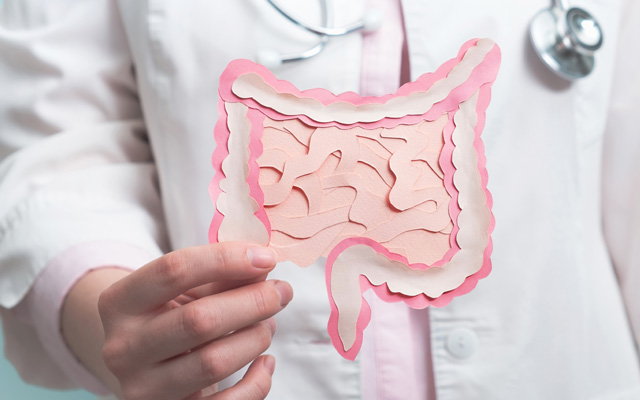
Your gut does far more than just digest food.
Your gut is home to 80% of your immune cells
The make-up of your gut bacteria plays a decisive role in whether beneficial substances such as vitamins and minerals are absorbed, and whether harmful substances, viruses and parasites can be neutralised.
Rebuilding and reinforcing your gut flora strengthens your immune system for the long term. Probiotics can improve weakened gut flora and support your immune system in the fight against pathogens.
Signs that your gut flora is out of balance
'A healthy gut is the root of all health'
This principle, set out by Hippocrates, shows how an imbalance in your gut flora can affect your health. Here are some possible signs that your gut flora is out of balance:
- food cravings
- a feeling of fullness
- diarrhoea or constipation
- frequent infections
- bladder infections (cystitis)
- allergies
- being overweight
- tiredness
- hormonal imbalance
- acne
How long does it take to rebuild your gut flora?
Damaged gut flora can be rebuilt over several months with a specific diet, including foods such as kefir, natural yoghurt, miso or pickled gherkins. But not everyone tolerates these foods well, as some of them contain lactose.
Probiotics can speed up the recovery of your gut flora. Depending on your goal, the following time frames are generally recommended:
- as a preventive measure: 4–6 weeks of probiotics every one to two years
- after a course of antibiotics: two months of probiotics
- for chronic conditions: three months of probiotics, followed by another course after six months
These time frames are guidelines; the treatment can be adjusted to suit you.
Benefits of taking probiotics
Taking a high-quality probiotic can offer a whole range of health benefits:
- rebuilding the gut flora
- strengthening the immune system
- improving your complexion
- improving mood and general wellbeing
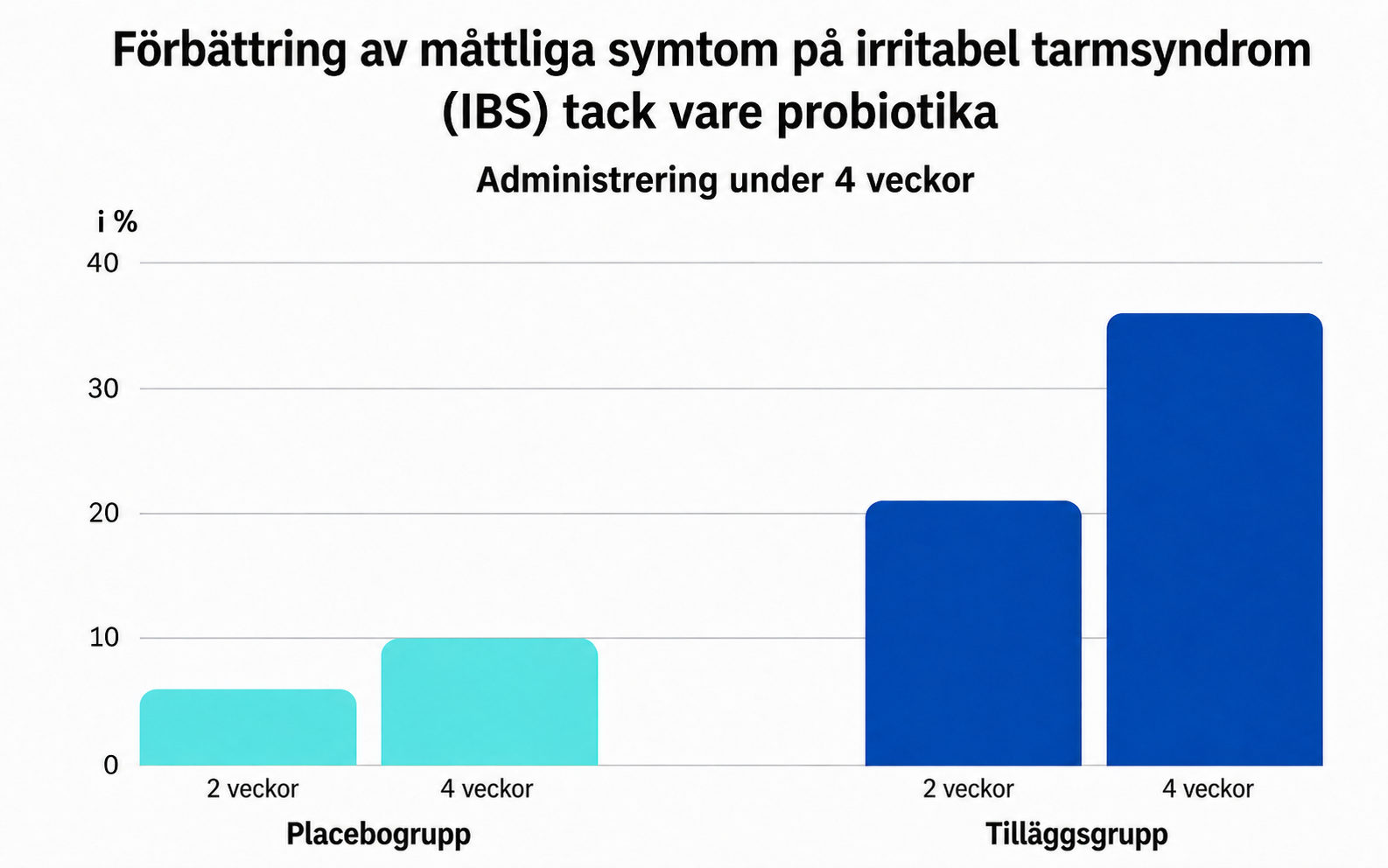
Probiotics encourage the growth of beneficial bacteria in the gut and can therefore restore the balance of the microbiota. Taking them regularly for four weeks has proved effective in relieving the symptoms of irritable bowel syndrome (IBS).
After antibiotics: rebuilding your gut flora
Antibiotics are effective against bacterial infections, but they can also kill off the beneficial bacteria in your digestive tract, which can lead to dysbiosis.
After a course of antibiotics, probiotics offer many benefits that help your body recover.
- Restoring the gut flora: probiotics support the recovery of your gut flora by increasing the number of beneficial bacteria in the gut while inhibiting the growth of harmful bacteria.
- Strengthening the immune system: probiotics support immune function by stimulating the production of immune cells and reducing inflammatory responses. They help to strengthen the immune system and improve the body's defences.
- Preventing diarrhoea: antibiotic-associated diarrhoea is a common side effect of antibiotic treatment. Probiotics, such as certain strains of Lactobacillus and Bifidobacterium, can greatly reduce the risk of diarrhoea.
- Supporting digestion: probiotics improve digestive function by helping to break down food, encouraging the production of digestive enzymes and making it easier to absorb nutrients. After a course of antibiotics, they help digestion get back to normal and reduce digestive upsets.
- Supporting mental health: there's growing awareness of the link between gut health and mental health. Probiotics may help to reduce the risk of mood disorders such as anxiety and depression.
What to avoid when buying probiotics
When you take supplements, make sure they don't contain any additives that could cancel out the very benefits you're taking them for.
When you're looking for a probiotic, avoid:
- a low dose
- poor-quality bacterial strains
- gelatine
- artificial colourings
- capsules that are not gastro-resistant
- any allergens you react to, such as soya, gluten and lactose
Particularly effective: microencapsulation
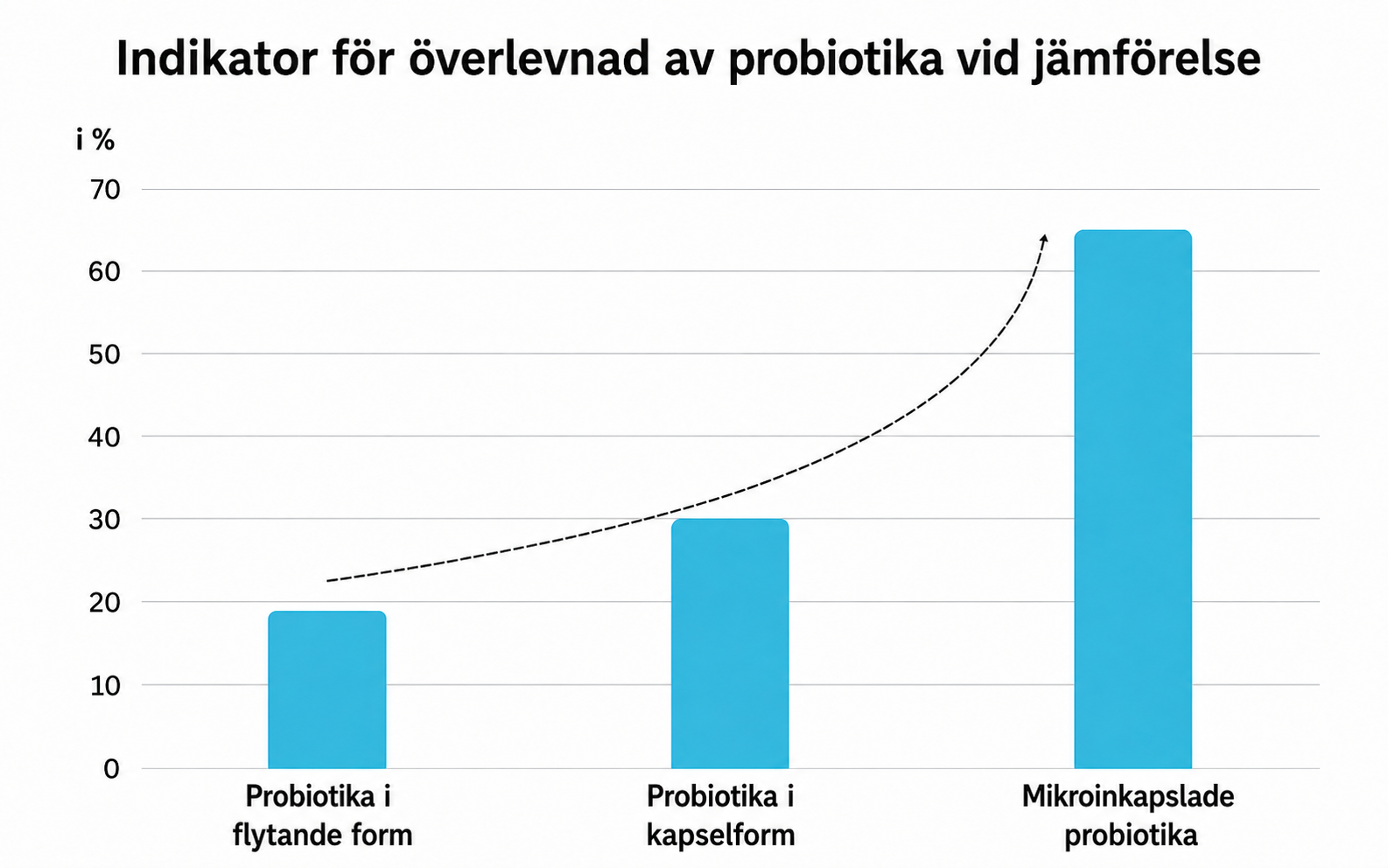
In microencapsulation, the probiotics are embedded in a protective shell made of natural materials such as alginate or proteins. This barrier protects them from stomach acid and bile acids and only releases them in the gut, where they're meant to work.
Advantages:
- higher survival rate: more live bacteria reach the gut
- targeted release: protected from breaking down too early
- longer shelf life: stable against moisture, heat and oxygen
- greater effectiveness: stronger support for the gut flora
- gentler on the gut: less bloating and fewer intolerance reactions
Compared with unprotected probiotics, microencapsulation offers greater stability and better absorption for optimal gut health.
Top 3: the best probiotics on the market
Finding the right probiotic is not easy.
That's why we assess probiotics against the following six factors:
What goes into the probiotic?
Are there any study or test results?
How is the probiotic dosed? (neither too high nor too low)
Does the probiotic contain any allergens?
How good is the value for money?
Is there anything special about the formula or how it's made?
The most important factor: what goes into the probiotic?
More than 5,000 different species of bacteria are currently known to live in the human gut. But not all of them are useful, and not all of them belong in a probiotic. Many products contain only a handful of bacterial strains (sometimes as few as five) while advertising a high dose.
The key bacterial strains needed to restore the gut flora successfully are expensive to produce and often missing from cheap supplements.
Three important bacterial strains are:
- Bifidobacterium infantis: in babies, this strain is one of the most common bacteria in the gut. It protects the gut from pathogens by making lactic acid and acetic acid from sugar molecules. It also produces various B vitamins. Studies have observed that allergies are more common when the gut isn't sufficiently colonised by this strain.
- Lactobacillus gasseri: this strain produces lactic acid from sugar, which makes conditions difficult for pathogens. Studies have also observed that taking this bacterium can greatly reduce allergy symptoms.
- Lactobacillus paracasei: this bacterial strain works against fungi and fungal infections. Studies have observed reduced inflammatory cell activity in the digestive tract and suggest that gut health can improve. It's able to prevent and treat stress-related bowel problems.
These bacterial strains should always be included in a probiotic, because they've been shown to have a major effect on gut health.
product review
TESTED
our quality criteria
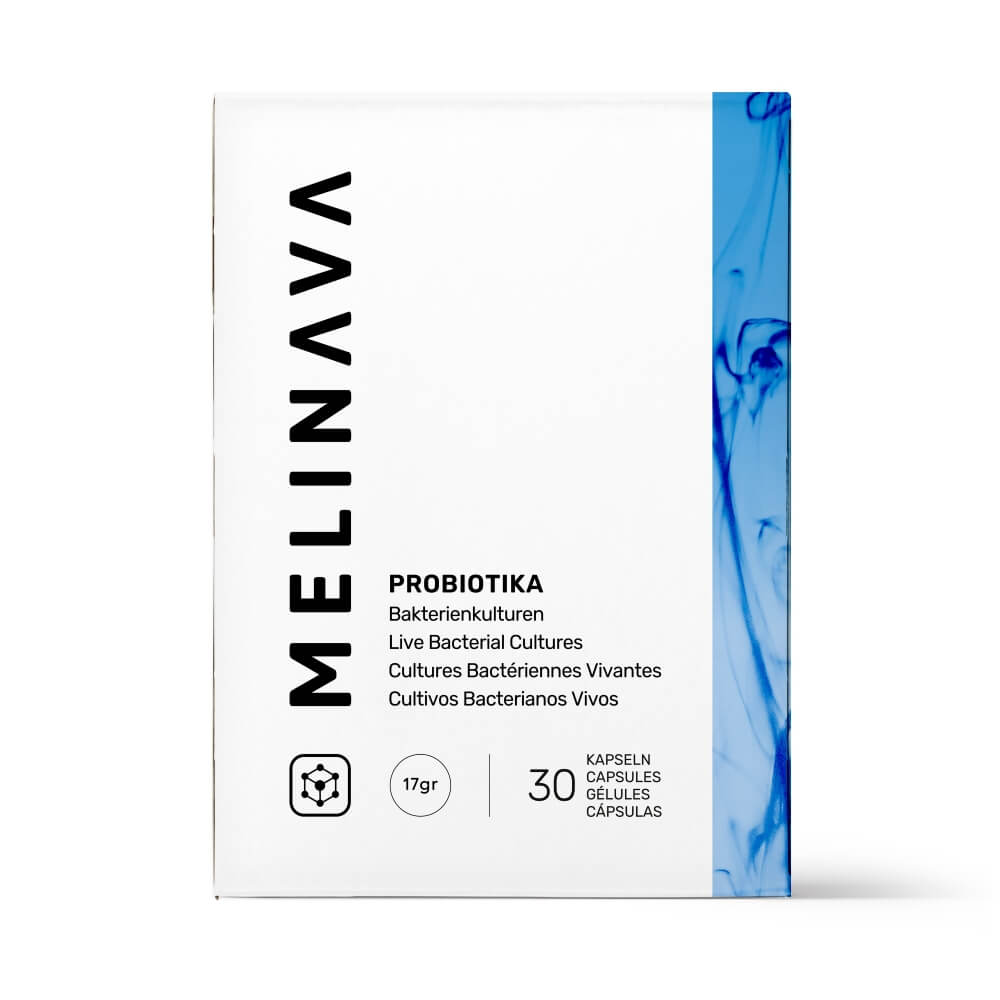
MELINAVA Probiotics
by MELINAVA
Pros
- 18 bacterial strains
- High-strength, with 10 billion units
- Microencapsulated active ingredients in addition to the gastro-resistant capsule
- Free from soya, gluten and lactose
- No added preservatives
- No added allergens
- GMO-free
- Just 1 capsule a day
- Dose can be increased to 2 capsules a day (20 billion CFU)
Cons
- Only available online
- Often sold out
- High-strength, so not suitable for children or pregnant women
Verdict
Bacterial strains
- Bifidobacterium animalis lactis
- Bifidobacterium breve
- Bifidobacterium bifidum
- Bifidobacterium longum
- Bifidobacterium infantis
- Lactobacillus reuteri
- Lactobacillus gasseri
- Lactobacillus acidophilus
- Lactobacillus casei
- Lactobacillus plantarum
- Lactobacillus rhamnosus
- Lactobacillus bulgaricus
- Bifidobacterium animalis
- Lactobacillus fermentum
- Lactobacillus salivarius
- Enterococcus faecium
- Lactobacillus lactis
- Streptococcus thermophilus
Melinava Probiotics has a broad formula with 18 different bacterial strains and is high-strength, with 10 billion CFU (colony-forming units) per daily dose.
Melinava is one of the few probiotics in Europe that not only uses gastro-resistant capsules but also microencapsulates the individual bacterial strains.
Studies have proven that this microencapsulation ensures that up to 95% of the bacterial strains are absorbed in the gut.
The bacterial strains used (Bifidobacterium, Lactobacillus, Enterococcus and Streptococcus) are matched to one another to prevent and relieve a wide range of symptoms.
The three most important bacterial strains (Bifidobacterium infantis, Lactobacillus gasseri, Streptococcus thermophilus) are included at a high dose.
The particular combination of bacterial strains is designed for optimal absorption in the gut.
The daily dose of 10 billion units is very well tolerated. User satisfaction and the many positive customer reviews of Melinava Probiotics speak for themselves.
Melinava has been used with very good results for symptoms such as chronic diarrhoea, bloating and constipation, as well as absorption disorders and skin problems.
A 2005 study (Correa et al.) looked specifically at the combination of Streptococcus thermophilus and Bifidobacterium lactis. The combination is very well suited not only to the acute treatment of diarrhoea but also to prevention, for example before a course of antibiotics or a trip.
The active ingredient is also microencapsulated, which ensures a longer shelf life and greater effectiveness.
The manufacturer takes product tolerability very seriously, which is why the supplement is completely free from unwanted additives. Carefully chosen strains and an elaborate production process, in which the active ingredients are microencapsulated, ensure the bacteria are absorbed as well as possible in the gut.
Microencapsulation is a technique in which tiny particles of solid material are enclosed in a coating. It protects the active ingredients and releases them in a controlled way.
You can find more information on the manufacturer's website.
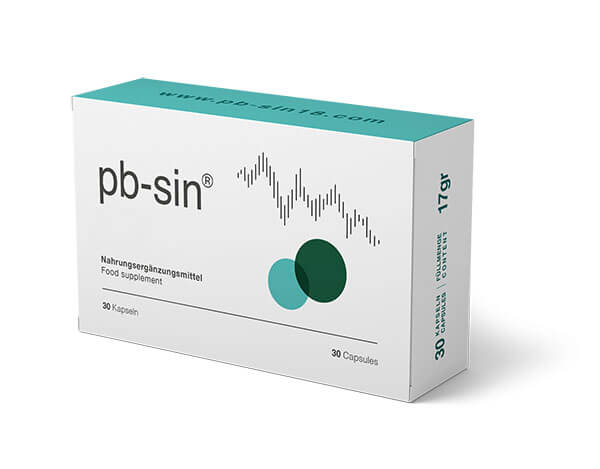
PB-Sin 10
by PB-SIN
Pros
- Gastro-resistant capsule
- Vegetarian
- No added preservatives
- No added allergens
- Just 1 capsule a day
Cons
- Lacks bacterial strains that are important for relieving chronic bowel problems
- High-strength, so not suitable for children or pregnant women
- Only available online
Verdict
Bacterial strains
- Bifidobacterium breve
- Bifidobacterium bifidum
- Bifidobacterium longum
- Bifidobacterium infantis
- Lactobacillus reuteri
- Lactobacillus acidophilus
- Lactobacillus rhamnosus
- Bifidobacterium animalis
- Lactobacillus fermentum
- Lactobacillus lactis
For more serious, often chronic bowel problems, it is missing Lactobacillus delbrueckii and Bifidobacterium lactis in particular.
So, given the bacterial strains it uses, the dose of PB-Sin is rather too low. Even so, it can give the gut good support.
Users are generally positive about PB-Sin. It is well tolerated.
Orders are usually dispatched within 2 working days.
You can find more information on the manufacturer's website.
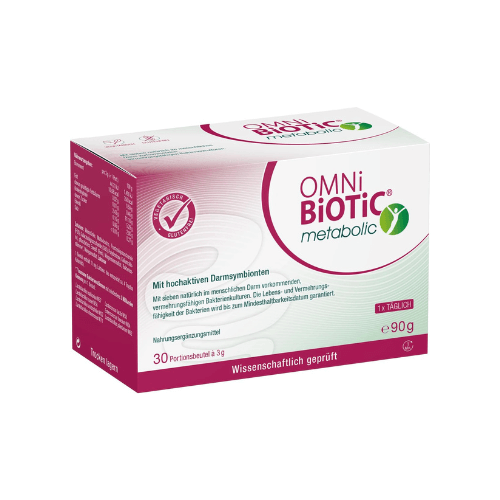
OMNi BiOTiC metabolic
by OMNI BIOTIC
Pros
- Gastro-resistant powder
- Made in Germany
- Vegetarian
- Free from animal protein, gluten and yeast
- Just 1 sachet a day
Cons
- Only 7 bacterial strains
- At 3 billion CFU, often too low a dose
- High price
Verdict
Bacterial strains
- Enterococcus faecium
- Lactobacillus acidophilus
- Lactobacillus casei
- Lactobacillus plantarum
- Lactobacillus salivarius
- Lactococcus lactis
- Lactobacillus rhamnosus
With only 7 different bacterial strains, OMNi BiOTiC metabolic has a very narrow formula.
The selected bacterial strains make sense for a basic course of treatment, but it lacks many of the more specialised strains that many users need to see results. Nor does it contain any of the three most important bacterial strains.
At 3 billion CFU a day, Omni Biotic is a low-dose product. That makes it well tolerated, but you often cannot expect it to relieve chronic symptoms.
Users are often positive about Omni Biotic. It is well tolerated. However, users with chronic symptoms often find the effect unsatisfactory.
Omni Biotic is made in Germany, and orders are usually dispatched within 3–4 working days.

Each of us carries more gut bacteria than human cells. More than 500 different bacterial strains make their home in your gut.
Balance in the gut is important
For your gut flora to work properly, it's important to keep it in balance. Digesting food is a vital job in itself, but the gut does far more. When you consider this complex ecosystem, with hundreds of different species of microorganisms and a bacterial count that runs to at least tens of trillions, you start to get an idea of the important processes going on in there.
Because just under 80% of your immune cells are in your gut, a healthy gut, or rather healthy gut flora, is important for your overall physical health and wellbeing.
The gut is the body's first line of defence against pathogens and stops harmful germs from taking hold.
But your mental wellbeing and your gut are linked too. Stress, anxiety and other upsetting emotions can quickly throw the delicate gut flora off balance.
The gut also has a big effect on dopamine production
Dopamine is a neurotransmitter (a substance that carries messages from nerve cells through the body) that acts in the central nervous system. Dopamine creates feelings of happiness and positive sensations. Because gut bacteria contribute to the release of dopamine, a cycle can develop here. The release of dopamine can be compared with the release of adrenaline during exercise, for example, as the two work in a similar way and produce comparable feelings.
Gut flora that has been thrown into disarray can no longer adequately support the release of dopamine, which leads to emotional unease. As mentioned above, negative emotions, low moods, anger or fear don't do the gut flora any good either. This downward spiral is broken as soon as the gut regains its balance. A sense of wellbeing then returns not only to your gut but also to your emotional life.
Incidentally, there are studies on the link between healthy gut flora and Alzheimer's disease.
Lactic acid bacteria are responsible for many functions
Lactic acid bacteria are among the most important gut residents that occur naturally in your body. They produce lactic acid and acetic acid, which your gut needs to create an acidic environment. These lactic acid bacteria, which are also found in Probimol, therefore help to create and maintain the normal, acidic environment in your gut.
A balanced, healthy diet naturally includes foods described as probiotic. They contain particularly large amounts of the gut bacteria that are so important to us. These include:
- Yoghurt: a very healthy food that, as well as being probiotic, is good for bone density and normal blood pressure.
- Kefir: the drink can be made from cow's, goat's or sheep's milk. Kefir may also have an anti-inflammatory effect.
- Sauerkraut: sauerkraut is fermented cabbage, made from white cabbage or pointed cabbage. It contains vitamin C, vitamin B12 and plenty of fibre, and is best eaten fresh and raw.
- Cheese: Gouda, Parmesan and mozzarella, for example, are excellent choices. Their probiotic properties increase as they age.
- Apple cider vinegar: natural apple cider vinegar is slightly cloudy, golden in colour and a natural probiotic food.
Unfortunately, storage, heating and other factors take a heavy toll on the valuable lactic acid bacteria in these foods. Digestion, heat and moisture reduce their numbers further still. So what your gut needs doesn't always get there. Even when foods are fermented, and therefore good for your gut flora, often barely half of the probiotics they contain actually reach the large intestine.
* We may earn a commission from some of the companies featured. This is how we keep our comparisons free to read.
Some of these companies are our commercial partners.
Sources
- Novos estudos do microbioma — Alzheimer causado por bactérias intestinais?
- FECYT - Fundação Espanhola para a Ciência e a Tecnologia (2012) https://www.sciencedaily.com/releases/2012/01/120110102058.htm
- Norman, A. W. (2008). Da vitamina D à hormona D: fundamentos do sistema endócrino da vitamina D para uma boa saúde. The American Journal of Clinical Nutrition, 491-499.
- Grant, W. B., Al Anouti, F., & Moukayed, M. (2020). Medições direcionadas da concentração de 25-hidroxivitamina D e a suplementação com vitamina D3 podem trazer grandes benefícios aos pacientes e à saúde pública. European Journal of Clinical Nutrition.
- Beulens, J. W., Booth, S. L., van den Heuvel, E. G., Stoecklin, E., Baka, A., & Vermeer, C. (2013). O papel das menaquinonas (vitamina K2) para a saúde humana. British Journal of Nutrition, 1-12.
- https://www1.wdr.de/radio/wdr2/themen/servicezeit/darm-102.html
- https://www.planet-wissen.de/sendungen/sendung-darm100.html
- https://www.quarks.de/gesundheit/medizin/probiotika-tausendsassa-oder-rohrkrepierer/
- https://link.springer.com/article/10.1007/s12602-013-9148-9
- https://link.springer.com/article/10.1007/s00784-010-0423-9
- https://academic.oup.com/ajcn/article/105/3/758/4569700