
Guide
Omega-3: the best products compared (2026)
Last updated: 27 July 2026

Written by
Health Tested Editorial Team
Omega-3 fatty acids are essential for your body and are often described as an 'all-rounder' for health. They're best known for their positive effects on the heart, brain and eyes, but their influence goes much further.
Because your body can't make omega-3 itself, it's important to get it regularly from your diet or from the right supplements. If you want to make sure you're getting enough, you'll find a selection of high-quality products here.

There are countless omega-3 supplements on the market, but not all of them are high quality and effective.
Omega-3: indispensable for your health
Omega-3 fatty acids are among the vital nutrients your body can't produce on its own, so you need to get them regularly from food. The long-chain fatty acids EPA and DHA are especially important. They're found mainly in fish, algae and certain plant oils.
Deficiency is widespread
Because your body can only store a limited amount of omega-3, a steady supply is key to supporting heart health, brain function and the regulation of inflammation. Current studies show that 76% of Europeans have an omega-3 deficiency, which can lead to health problems such as tiredness, joint pain and increased anxiety.¹

Omega-3 fatty acids play a vital role in your health. They support heart function and brain performance, protect the eyes and help reduce inflammation in the body.
Benefits of omega-3
Omega-3 fatty acids are essential for many functions in the body. They support the cardiovascular system and regulate blood lipid levels. They also improve brain function and protect the eyes.² On top of that, they have an anti-inflammatory effect and can have a positive influence on mental health. DHA in particular is indispensable for the development of the nervous system and for cognitive performance.
Plant-based omega-3 fatty acids such as ALA could also slightly lower the risk of heart rhythm problems.³ If you don't eat much fish, you can top up your intake with high-quality supplements.
The key benefits of omega-3
Taking omega-3 regularly can offer a wide range of health benefits:
- better heart health
- anti-inflammatory effect
- support for healthy skin and hair
- protection for your eyes
- support for the immune system
- an important nutrient during pregnancy and for the baby's development
- protection against oxidative stress
- support for hormonal balance
- support for a healthy metabolism
Benefits for mental health
The right omega-3 supplement can:
- support brain function and mental health
- relieve symptoms of depression⁴
- reduce anxiety
- protect against cognitive decline

Omega-3 capsules make it easy to get these important fatty acids every day, wherever you are.
How to spot a deficiency early
The following symptoms can occur if you're deficient:
- dry skin, brittle hair and nails
- increased risk of inflammation
- vision problems, dry eyes
- a weakened cardiovascular system
- concentration problems, poor memory
- depressed mood and mood swings
- sleep problems, tiredness
Who needs more omega-3?
Omega-3 fatty acids are found mainly in oily fish, algae and certain plant oils. If you eat little fish or follow a vegan diet, you should pay particular attention to your omega-3 intake and, if necessary, ask your GP to check your levels.
Some groups of people need more omega-3: pregnant and breastfeeding women, for the healthy development of the baby⁵, and people under heavy physical or mental strain, such as people in stressful jobs, older people and, above all, athletes.
For athletes in particular, omega-3 improves muscle recovery and increases stamina. It can ease sore muscles and optimise protein metabolism.⁶
Omega-6 and omega-3
Omega-6 and omega-3 fatty acids are essential fatty acids that your body can't make itself, so they have to come from your diet. The optimal ratio is 5:1 or lower. In the Western diet, however, the ratio is often between 15:1 and 20:1.⁷
Too much omega-6 (from sunflower oil, for example) can promote inflammation or increase the risk of cardiovascular disease.
Of the omega-3 fatty acids, EPA is the one that fights inflammation and supports the cardiovascular system. That's why, according to one study, the optimal ratio of EPA to DHA is around 2:1.⁸ A daily intake of 250–500 mg of EPA and DHA is enough.
Can there be side effects?
Omega-3 fatty acids are good for you, but taking too much can cause side effects. Studies show that high amounts inhibit blood clotting and increase the risk of bleeding, especially in people taking blood-thinning medication. Other side effects can include stomach and bowel problems such as diarrhoea.⁹ So side effects are possible, but they're fairly rare if you stick to the recommended dose.

There are several factors to consider when choosing the right food supplement.
Buying omega-3: what to check and which form to choose
What to look out for when buying omega-3
If you decide to take an omega-3 supplement, pay close attention to the following:
- the information on the label
- EPA and DHA content that is too low
- poor-quality, rancid oil (high TOTOX value)
- heavy metals and contaminants
- capsules with artificial additives
- an unfavourable omega-6 to omega-3 ratio
- lack of freshness and short shelf life
Popular forms of omega-3
There's a form of omega-3 for everyone, and the right one depends on your preferences and needs. The most common are:
- oils: fish oil, algae oil, krill oil, linseed oil and chia oil
- fortified foods, e.g. omega-3 eggs, margarine, dairy products
Algae oil
Pros
Ideal for vegetarians and vegans
No environmental contaminants
Sustainable production
Cons
Lower DHA content
More expensive
Many people find the taste unpleasant
Krill oil
Pros
High bioavailability because the fatty acids are bound to phospholipids
Contains astaxanthin, a powerful antioxidant that protects cells
Less of an aftertaste
Cons
High price
Not vegan
Limited choice
Lower amount of EPA/DHA despite higher bioavailability
Linseed oil
Pros
Ideal for vegans and vegetarians
An inexpensive source of omega-3
Also contains antioxidants that support health
Cons
Contains ALA, which the body first has to convert into EPA and DHA
Lower bioavailability
Limited shelf life because it is sensitive to light and heat
Fish oil
Pros
High EPA and DHA content
Well supported by science and the most researched option
A high dose is possible in just a few capsules
Widely available, with a large choice
Longer shelf life than plant-based alternatives
Cons
May have an unpleasant taste or smell
Possible stomach problems
Possible heavy metal contamination, but high-quality products filter this out
Omega-3 from fish oil: the best form
Fish oil is the best source of the important omega-3 fatty acids EPA and DHA. It has high bioavailability, is inexpensive and is extensively supported by science. Compared with algae oil, krill oil and linseed oil, fish oil is the most effective and most cost-effective option for most people.
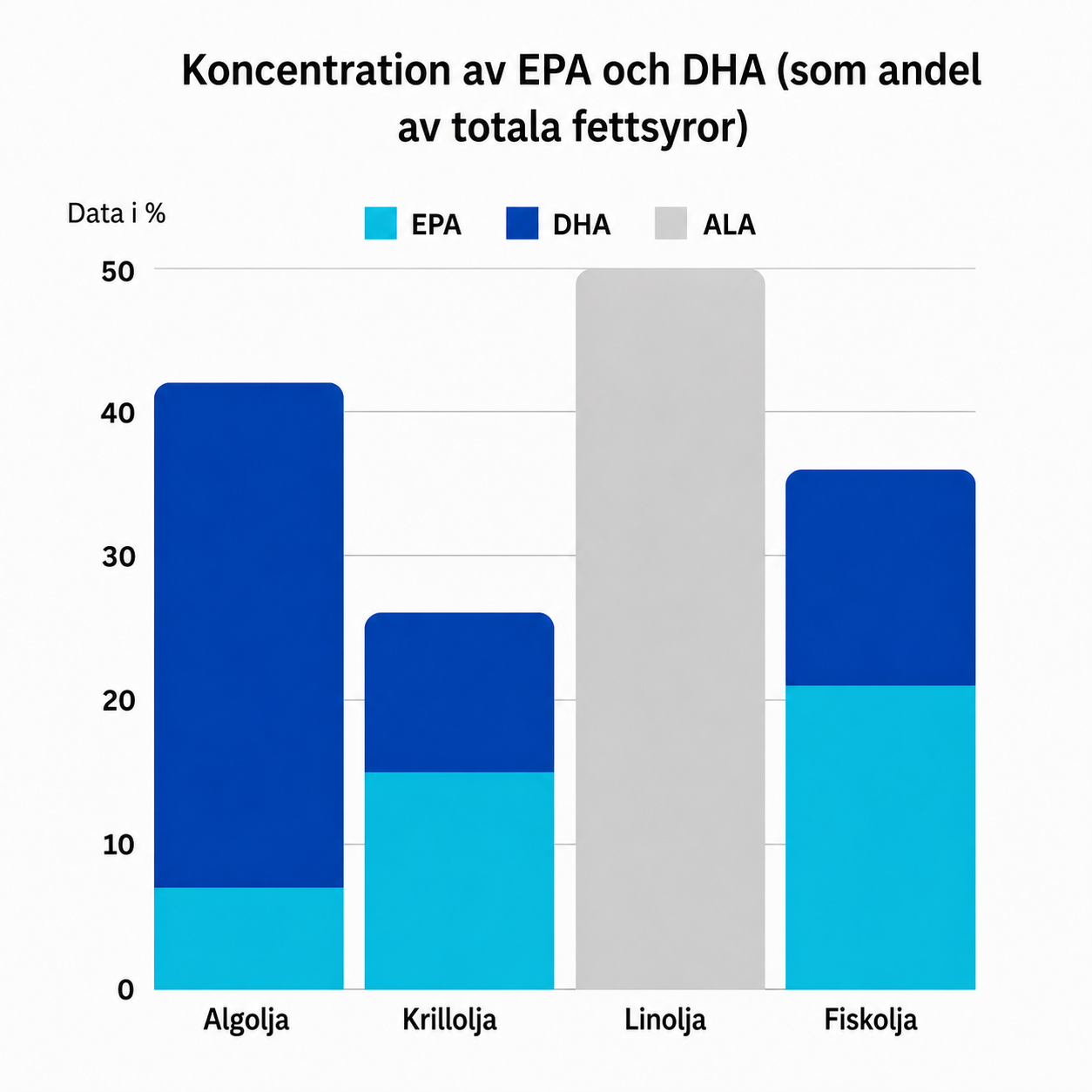
The omega-3 content varies depending on the source. While algae oil and fish oil are particularly rich in EPA and DHA, linseed oil mainly contains ALA, which first has to be converted in the body. The optimal ratio of 2:1 (EPA:DHA) is found only in fish oil.
Top 3: the best omega-3 products of 2026
There are now countless omega-3 products on the market. That's why we've assessed them against the following criteria to find the best:
How is the product formulated?
Are there any study or test results?
How high is the omega-3 dose?
Does it contain any allergens?
What is the value for money like?
Is there anything special about the formulation or manufacturing?
product review
TESTED
our quality criteria
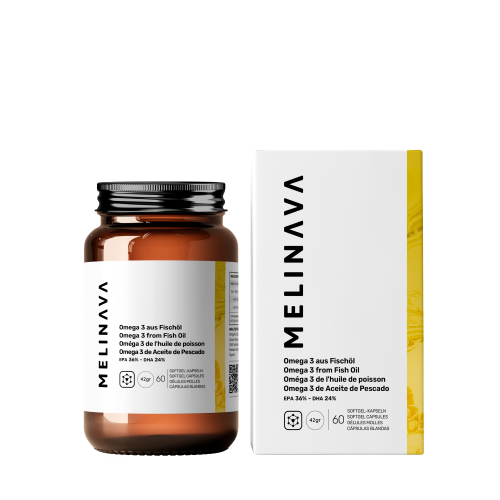
MELINAVA Omega 3
by MELINAVA
Pros
- High dose: 900 mg
- Ideal EPA/DHA ratio (2:1)
- No added preservatives
- No added allergens
- GMO-free
- Free from soya, gluten and lactose
- Made from fish oil
- Free from impurities
- Made in Europe (France)
- Supplied in a high-quality glass bottle you can reuse at home, e.g. as a spice jar
Cons
- Only available online
- Only available as capsules
Verdict
Melinava Omega 3 received the highest rating for its excellent quality and dosage. The daily dose contains 1,500 mg of high-quality fish oil, including 540 mg EPA and 360 mg DHA, making it an effective source of these essential fatty acids. With a daily dose of 900 mg EPA/DHA, it falls within the optimal daily range of 0.3–2 g EPA/DHA¹⁰ and supports many functions in the body.
A particular mark of quality is the use of the patented premium-grade ingredient Omegavie®. This fish oil comes from sustainable production, is processed particularly gently and stands out for its exceptionally high purity, stability and resistance to oxidation. As a result, the oil stays fresh for longer and free from an unpleasant fishy taste, a real advantage when you take it every day. Omegavie is also processed so that the fatty acids are optimally absorbed in the gut, which increases bioavailability by up to 50%.
Melinava Omega 3 has already been used with very good results for cardiovascular problems, poor concentration, inflammatory conditions and slow recovery after exercise. Many users also say it is very well tolerated and report noticeable improvements in heart function and mental performance, and less inflammation.
You can also open the capsules and mix the contents into a drink.
Take two capsules of Melinava Omega 3 a day.
A pack contains 60 capsules.
Melinava came first in our test (as of January 2026). The manufacturer takes tolerability very seriously, which is why the product is completely free from unwanted additives. You can find more information on the manufacturer's website.
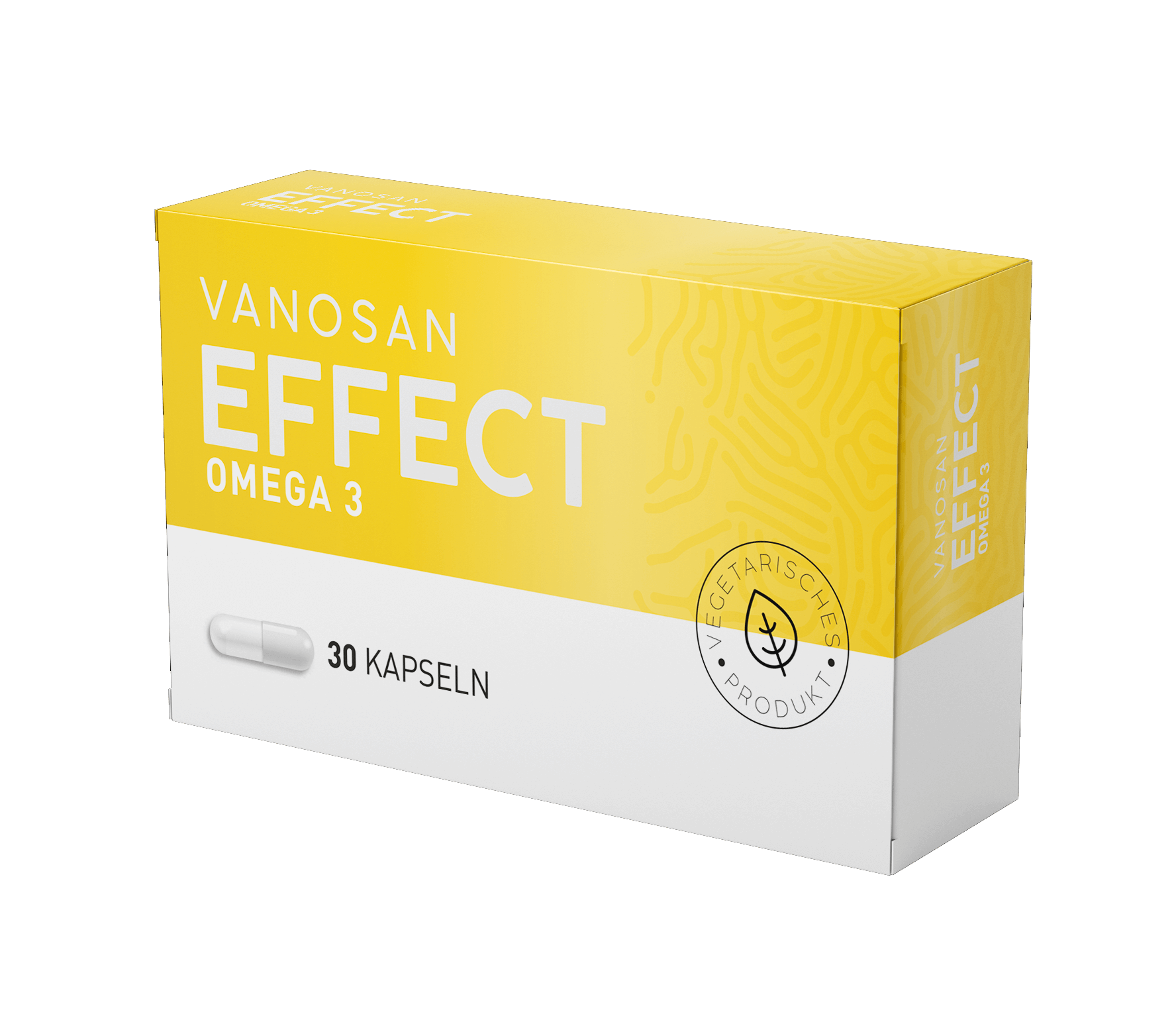
Vanosan Omega-3
by VANOSAN
Pros
- Ideal dose: 0.6 mg
- Free from soya, gluten and lactose
- Free from contaminants
- Made from fish oil
Cons
- No protection against stomach acid
- Gelatine capsule
- No information on the country of origin
- Only available online
- EPA/DHA ratio of 4:3
Verdict
Vanosan Omega-3 capsules contain a high-dose combination of EPA and DHA in a 4:3 ratio, with 1,000 mg of fish oil.
Users report benefits for heart health and mental performance, and less inflammation, especially when they take it regularly. The product is generally well tolerated. Some customers, however, criticise its strong fishy taste.
The recommended dose is one capsule a day with a meal, to optimise absorption. Because it is made from fish oil, the product is not suitable for vegans.
Vanosan Omega-3 is made in Europe, and delivery usually takes 1–3 working days.
A pack contains 30 capsules.
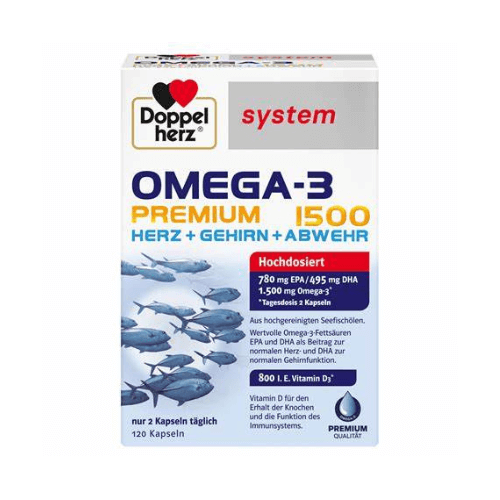
Doppelherz Omega-3 Premium 1500
by DOPPELHERZ
Pros
- Natural triglyceride form
- Ideal dose: 0.6 mg
- Free from soya, gluten and lactose
- Free from impurities
- Made from fish oil
- Available online and in shops
Cons
- No published independent laboratory reports
- EPA/DHA ratio of 3:2
- Gelatine capsule
Verdict
Doppelherz Omega-3 Premium 1500 is a popular and widely available supplement that provides a high dose of omega-3 fatty acids, especially the important EPA and DHA. With 1,500 mg of omega-3 per capsule, it covers much of your daily requirement for these essential fatty acids.
Compared with Melinava and Vanosan, however, the Doppelherz product has some slight weaknesses. In particular, the ratio of EPA to DHA is less favourable, which means it may not be quite as effective for certain health benefits, especially where heart health and inflammatory processes are concerned.
Customers are mostly positive about Doppelherz Omega-3 Premium 1500. The product is well tolerated and the aftertaste is fairly subtle. However, some customers find the fishy taste too strong. A few customers noticed only a rather weak effect.
Take two capsules of Doppelherz Omega-3 Premium 1500 a day.
A pack contains 60 capsules.
Heart health: your natural shield
Omega-3 fatty acids are particularly important for heart health. They help lower blood pressure and keep cholesterol levels in check. Studies show that taking omega-3 regularly has a positive effect on blood lipid levels and can reduce the risk of cardiovascular disease. The long-chain fatty acids EPA and DHA, found mainly in oily fish and algae, play a key role here. They promote better blood circulation and help regulate inflammation, which gives your heart extra protection.
Research confirms that omega-3 can lower blood pressure, including in people with hypertension, and that it reduces the risk of heart disease. Studies also show that omega-3 fatty acids support the health of your blood vessels and play a role in lowering triglycerides in the blood.
In short: by regulating blood lipids and blood pressure, omega-3 can protect the heart and reduce the risk of cardiovascular disease in the long term.

Omega-3 supports your heart and circulation, for healthy blood pressure and strong blood vessels.
Support for the brain: a clear head and sharper thinking
Omega-3 fatty acids are indispensable for mental health and performance. The long-chain fatty acids DHA and EPA in particular support the brain by promoting communication between nerve cells, which strengthens concentration and memory.¹¹
Omega-3 also helps stabilise your mood and may help reduce stress and anxiety. During stressful periods or when your mind is overloaded, it helps you keep a clear head and improves your mental performance. Taking omega-3 regularly doesn't just support your thinking, it also encourages a positive mindset.

Omega-3 fatty acids are essential for brain function and support memory and concentration. Studies show that they can improve cognitive performance and reduce mental fatigue.
Calming inflammation in the body
Omega-3 fatty acids are natural anti-inflammatories and play an important part in relieving chronic symptoms. In conditions such as arthritis or skin complaints in particular, omega-3 can do a great deal to regulate inflammation in the body and relieve the symptoms.¹²
The anti-inflammatory effect of omega-3 doesn't just ease symptoms, it also helps your whole body feel more at ease. Taking omega-3 regularly can noticeably ease unpleasant symptoms such as the pain and redness of skin conditions or the stiff joints of arthritis. In this way, omega-3 makes a valuable contribution to your wellbeing by keeping chronic inflammation under control and helping your body recover from it. Small capsules, big benefits for your health.
Our verdict: omega-3 is an all-rounder
Of course, the right dose matters with omega-3 too, and if necessary you should check with your doctor. But did you know just how wide-ranging the health benefits of omega-3 are? It doesn't just support heart health and the brain, it also helps reduce inflammation and improve your general wellbeing. Omega-3 really is an all-rounder. Take a look at our recommendations and find the product that suits your needs.
Several omega-3 products compared
* We may earn a commission from some of the companies featured. This is how we keep our comparisons free to read.
Some of these companies are our commercial partners.
Sources
3. https://swiss.cochrane.org/de/news/neue-cochrane-evidenz-zu-omega-3-fettsauren
4. https://pubmed.ncbi.nlm.nih.gov/39201362/
5. https://pubmed.ncbi.nlm.nih.gov/32224878/
6. https://www.academyofsports.de/de/magazin-beitraege/die-bedeutung-von-omega-3-fettsaeuren-im-sport/
7. https://pubmed.ncbi.nlm.nih.gov/12442909/
8. https://www.casi.org/node/948
10. https://www.academyofsports.de/de/magazin-beitraege/die-bedeutung-von-omega-3-fettsaeuren-im-sport/