
Guide
The best milk thistle supplements compared (2026)
Last updated: 2 August 2026

Written by
Health Tested Editorial Team
Tiredness for no obvious reason. Skin that doesn't look the way it used to. A body that feels heavier than it did a few years ago. For many people over 45, these are familiar signs. What many people don't realise is that the liver is often behind them.
In both natural medicine and modern research, milk thistle is considered one of the most thoroughly studied medicinal plants of all. Its key active ingredient, silymarin, protects liver cells, supports the body's natural detoxification and, in studies, shows effects that reach far beyond the liver.
Here you'll find out what research tells us about milk thistle, what matters when you choose a product and which supplement impressed us in our test.

There are countless milk thistle supplements on the market, but not all of them are effective.
Milk thistle at a glance
Milk thistle (Silybum marianum) originally comes from the Mediterranean and is now grown all over the world. It belongs to the daisy family and is best known for its seeds, in which its valuable active ingredients are concentrated.
As far back as the Middle Ages, monastic healers used the plant specifically to support the liver and gallbladder. Modern research has since confirmed what traditional medicine had long known: the active ingredient silymarin protects liver cells, inhibits inflammation and supports the body's natural detoxification.
A medicinal plant since ancient times
The use of milk thistle goes back to antiquity and has a long history in traditional medicine, from Europe to Asia.
It's typically used to strengthen the liver and help it regenerate, especially when it has been affected by diseases such as hepatitis B or C and cirrhosis, or by harmful substances such as alcohol, drugs, medicines or poisonous mushrooms.
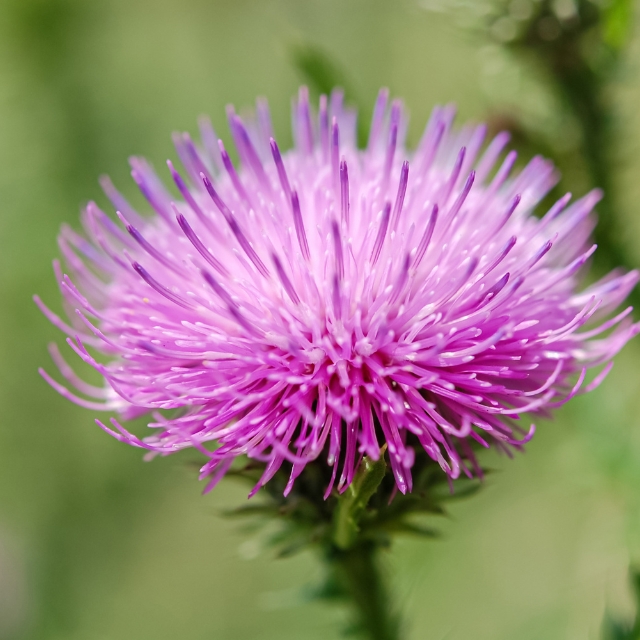
Milk thistle is regarded as the liver herb. Thanks to its active compounds, it's used for a wide range of liver problems.
What makes milk thistle so special?
Milk thistle's valuable constituents are concentrated in its seeds. Most important of all is silymarin, a group of plant compounds extracted from the seeds that scientists have studied extensively for decades.
Silymarin is made up of three active components: silybin, silydianin and silychristin. Together they make up around 4% of the dried seeds. Milk thistle also contains other flavonoids such as quercetin and apigenin, which are credited with antioxidant properties.
It's this combination of well-researched active ingredients and broad biological activity that makes milk thistle one of the medicinal plants most often cited by researchers and doctors today.
How milk thistle works
In the human body, silymarin has an unusually broad range of effects. Scientists often describe it in terms of three core functions.
Anti-inflammatory: inflammation is often the silent starting point of chronic problems. Silymarin reduces the production of the chemical messengers that trigger inflammatory responses. As a result, pain, swelling and persistently raised inflammation markers can go down.
Antioxidant: as you get older, free radicals build up in the body. These aggressive molecules attack cell structures and speed up their ageing. Silymarin neutralises them before they can do damage, supporting the natural regeneration of your cells.
Cell-regulating: your body is constantly renewing itself, breaking down damaged or worn-out cells and replacing them with healthy ones. Silymarin supports exactly this mechanism. When it runs smoothly, tissue stays healthy and resilient in the long term.
Studies also show positive effects on liver cell membranes, cholesterol levels, the immune system, digestion, weight and the appearance of the skin.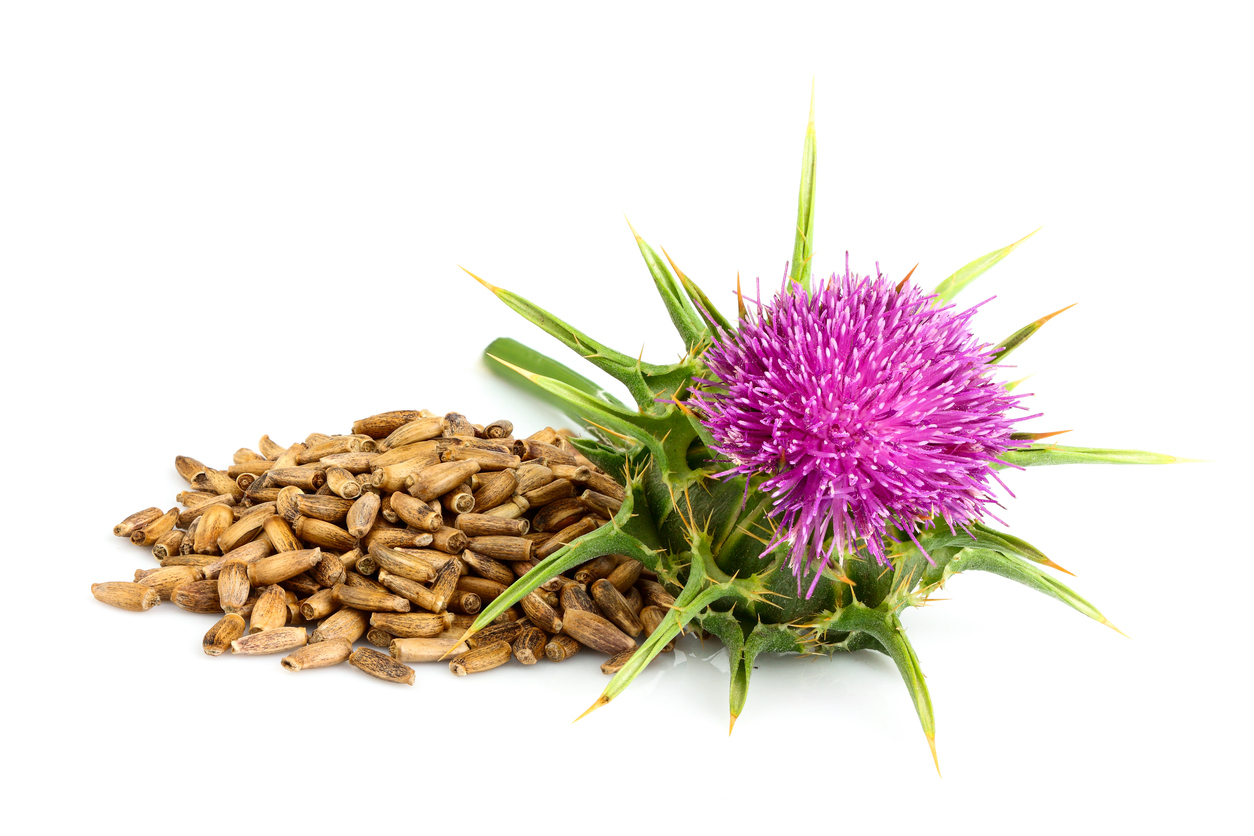
Milk thistle and the liver
A liver under strain rarely announces itself with sharp pain. More often, the signs are quiet ones: persistent tiredness, problems concentrating, mood swings, poorer skin or sleep that doesn't feel restful.
The liver is the body's main detoxification organ. Every day it filters hundreds of substances out of the blood, breaks down metabolic waste and regulates your hormone balance.
If its function is impaired, these substances can stay in the body and affect many of its functions.
Clinical studies show that milk thistle extracts stabilise the membranes of liver cells, protecting them from harmful substances getting in.
At the same time, they stimulate the regeneration of cells that are already under strain.
This is why milk thistle is also used alongside other treatment for liver diseases such as hepatitis, cirrhosis and fatty liver.Benefits of taking milk thistle
What research shows about the range of effects of milk thistle:
- protecting liver cells and supporting their regeneration
- slowing the build-up of fat in the liver
- a positive effect on blood pressure and cholesterol levels
- strengthening the immune system
- supporting the cardiovascular system
- easing the load on the body's detoxification processes
- supporting bone mineralisation, especially relevant when hormone levels fall
- improving the appearance of the skin
- inhibiting inflammatory processes in the body

Your skin can benefit from milk thistle too
Acne, uneven skin tone, redness or skin that looks dull overall and doesn't improve despite good skincare. What many people don't realise is that your skin responds directly to how well your liver is working. If the liver's detoxification function is impaired, breakdown products build up in the tissues and show up in the skin.
Milk thistle contains antioxidants that reduce oxidative stress, one of the main triggers of skin inflammation. In a clinical study of people with acne, silymarin reduced visible skin lesions by 53% after 8 weeks. That's a measurable result that shows clearly in everyday life.

There are several factors to consider when you choose a milk thistle product.
What to avoid when buying milk thistle
The milk thistle market is hard to make sense of. Many products contain too little effective extract or use formulations from which your body can barely absorb the active ingredient. Watch out for the following:
- a low dose of milk thistle extract
- a low concentration of milk thistle extract
- low bioavailability
- no stated silymarin content
- capsule shells made of gelatine, plus binders and anti-caking agents
- capsules that are not gastro-resistant
- any allergens that affect you directly, such as soya, gluten and lactose
- supplements at suspiciously low prices
- products that claim an extremely high dose
Products that don't clearly state their silymarin content give you no basis for judging how much active ingredient you're actually getting. It's a point many buyers overlook.
Which forms of milk thistle are available?
Milk thistle comes in various forms: as whole or ground seeds, in capsules or compressed tablets, and as a tea.
Milk thistle tea and infusions, however, are considered the least recommended forms. The reason is that silymarin, the most important active ingredient in milk thistle, loses its effectiveness at temperatures above 40°C. This greatly reduces the health benefits.
Liposomal products cost more to buy than conventional capsules. But because your body absorbs the active ingredient much more efficiently, you need a smaller amount for the same effect. Overall, this narrows the price gap considerably.
To get the most out of milk thistle, weigh up the pros and cons of each form.
Tea
Pros
Easy to take
Pleasant taste
Adds to your daily fluid intake
Calming effect of a warm cup of tea
Cons
May contain added sugar
Lower concentration of active ingredients
Shorter shelf life and needs to be kept in the fridge
The liquid can leak or spill
More effort and time to prepare
Capsules
Pros
Easy to take: you just swallow them
Handy on the go and when travelling
Easy to dose (consistent active ingredient content)
No unpleasant taste or smell
Cons
Stomach acid can affect absorption of the active ingredient
Digestion can partly break down the active ingredient
The bioavailability of the active ingredient can vary
The capsule shell may contain gelatine
Often contain additives
Unsuitable if you have difficulty swallowing
A high dose may mean taking several capsules
Liposomal form
Pros
Higher bioavailability of the active ingredient
Better absorption because it bypasses stomach acid
A lower dose is needed for the same effect
Can mask the taste of the active ingredient
No additives
Cons
May cost more because it is more complex to manufacture
Availability and choice may be limited
Making liposomes can be difficult and requires specialised technology
Milk thistle side effects
Several large studies have concluded that silymarin is very well tolerated and that it only rarely causes minor side effects, such as an occasional mild laxative effect. A few cases of mild allergic reactions have also been observed at high doses (1,500 mg a day). However, these symptoms usually disappear quickly once you stop taking milk thistle, and they cause no lasting harm.
The better choice: liposomal
Many people take milk thistle and barely notice any change. The reason isn't the active ingredient itself, but how it reaches your body.
Silymarin barely dissolves in water and only partly survives the journey through the stomach and gut. Whatever gets through the digestive tract is processed straight away in the liver, the very organ silymarin is meant to support. In the end, only a fraction of the active ingredient you take reaches the bloodstream.
Liposomes solve this problem. They're tiny shells made of natural fat molecules that enclose the active ingredient like a protective capsule.
This shell protects silymarin from being broken down by stomach acid and digestive enzymes and allows it to be absorbed directly through the gut wall into the bloodstream. That way, much more of the active ingredient arrives where it's needed.
The chart below shows how much active ingredient is lost with conventional products. The difference between the liposomal and the conventional form is considerable.
Liposomes have been used successfully in medicine and cosmetics for years, because they reliably transport active ingredients to where they're needed.

A simple model of a liposome, with a fatty outer layer and a water-filled core.
Top 3: the best milk thistle supplements on the market
Finding the right milk thistle supplement is not easy.
That's why we assess milk thistle supplements against the following 6 criteria:
What is in the milk thistle supplement?
Are there any study or test results?
How high is the silymarin content?
Does the product contain any allergens?
How good is the value for money?
Is there anything special about the formulation or manufacturing?
The most important factor: what is in the milk thistle supplement?
If you're buying a milk thistle supplement, there are four criteria you should know about. They decide whether a product actually works or whether the active ingredient barely reaches your body.
Dosage: the exact amount can vary depending on individual needs and your health goals. In studies, however, 150–250 mg of silymarin a day has proved very effective and well tolerated.
Dosage form: this is one of the most important factors, because dosage forms can differ enormously in absorption, bioavailability and tolerability.
Bioavailability: how much silymarin actually reaches the bloodstream is the deciding factor. A liposomal formulation has been shown to improve absorption compared with conventional capsules.
Quality of ingredients: poor-quality raw materials and unnecessary additives such as preservatives, colourings or fillers can reduce effectiveness. High-quality supplements do without them.
product review
TESTED
our quality criteria
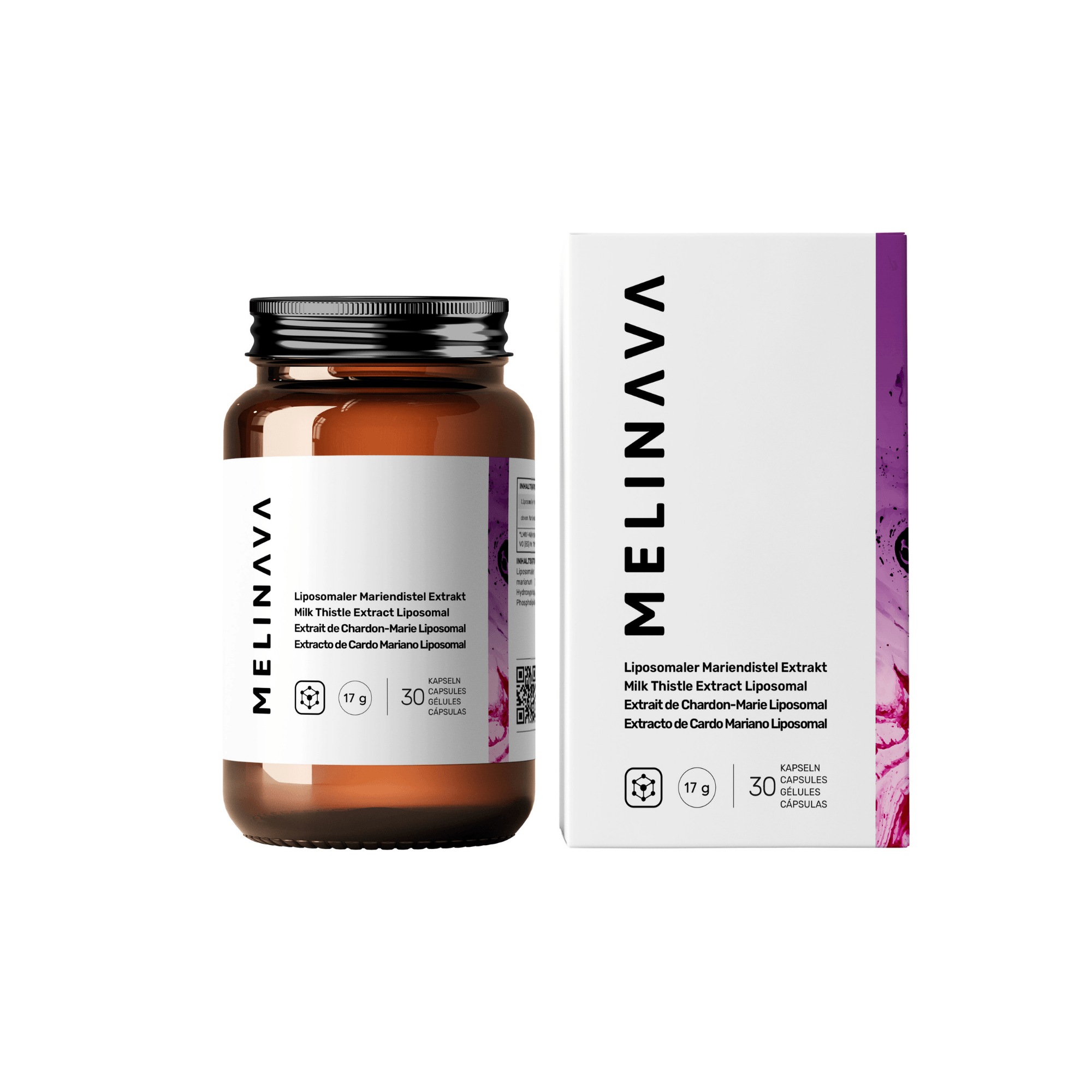
MELINAVA Milk Thistle Extract
by MELINAVA
Pros
- Pure milk thistle extract
- High-strength: 400 mg per capsule
- Silymarin from the flower bud
- Very high bioavailability
- Very well tolerated
- Only 1 capsule a day
- Gastro-resistant capsule shell
- Vegan
- Made in Europe
- Free from soya, gluten and lactose
- No added preservatives
- No added allergens
- GMO-free
Cons
- Only available online
- Often sold out
Verdict
Melinava Liposomal Milk Thistle Extract takes first place in our test. With 400 mg of milk thistle extract per daily dose, the product is high-strength.
Thanks to liposome technology, the active ingredient is protected from being broken down in the digestive tract and is transported directly into the bloodstream. As a result, more silymarin reaches the cells than with conventional products at a comparable or even higher dose.
Melinava Liposomal Milk Thistle Extract contains no additives that could reduce its effect.
User satisfaction and the many positive customer reviews of Melinava Liposomal Milk Thistle Extract speak for themselves.
Users report improvements in liver problems, high cholesterol, raised blood sugar and weight.
Melinava has also been used with very good results for acne and inflammation.
One pack holds 30 capsules, enough for 30 days, which works out at less than one euro a day.
Melinava takes first place in our test (as of January 2026). The manufacturer takes tolerability very seriously, which is why the supplement is completely free from unwanted additives. You can find more information on the manufacturer's website.
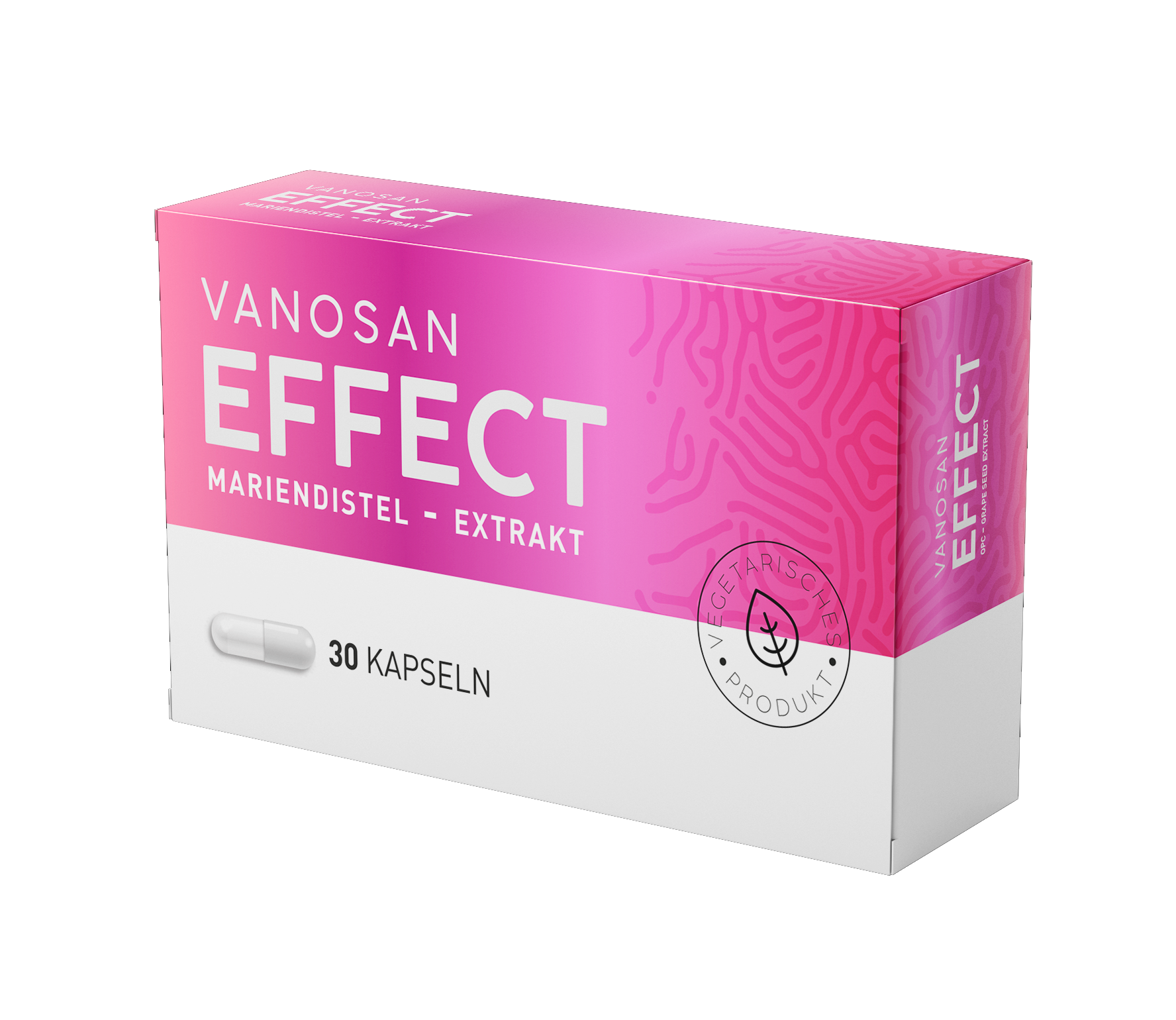
Vanosan Milk Thistle
by VANOSAN
Pros
- Organic raw materials from India
- 200 mg of milk thistle extract
- Laboratory-tested
- Vegan
- Free from soya, gluten and lactose
- No added preservatives
- No added allergens
- GMO-free
Cons
- Low bioavailability
- 3 capsules a day
- Only available online
Verdict
With 200 mg of extract per daily dose, Vanosan Milk Thistle is a solid choice. The raw materials come from organic farming, and the product is free from animal ingredients, so it is also suitable for vegetarians and vegans.
Users report benefits for digestive problems and liver regeneration, and most find it well tolerated.
Two drawbacks stand out. The recommended daily dose of three capsules is impractical for many users in everyday life. More serious, however, is the limited bioavailability that comes with the conventional capsule form. There are no studies on how much silymarin actually reaches the bloodstream.
It is made in Europe. Delivery is free, and orders are usually dispatched within 3 working days.
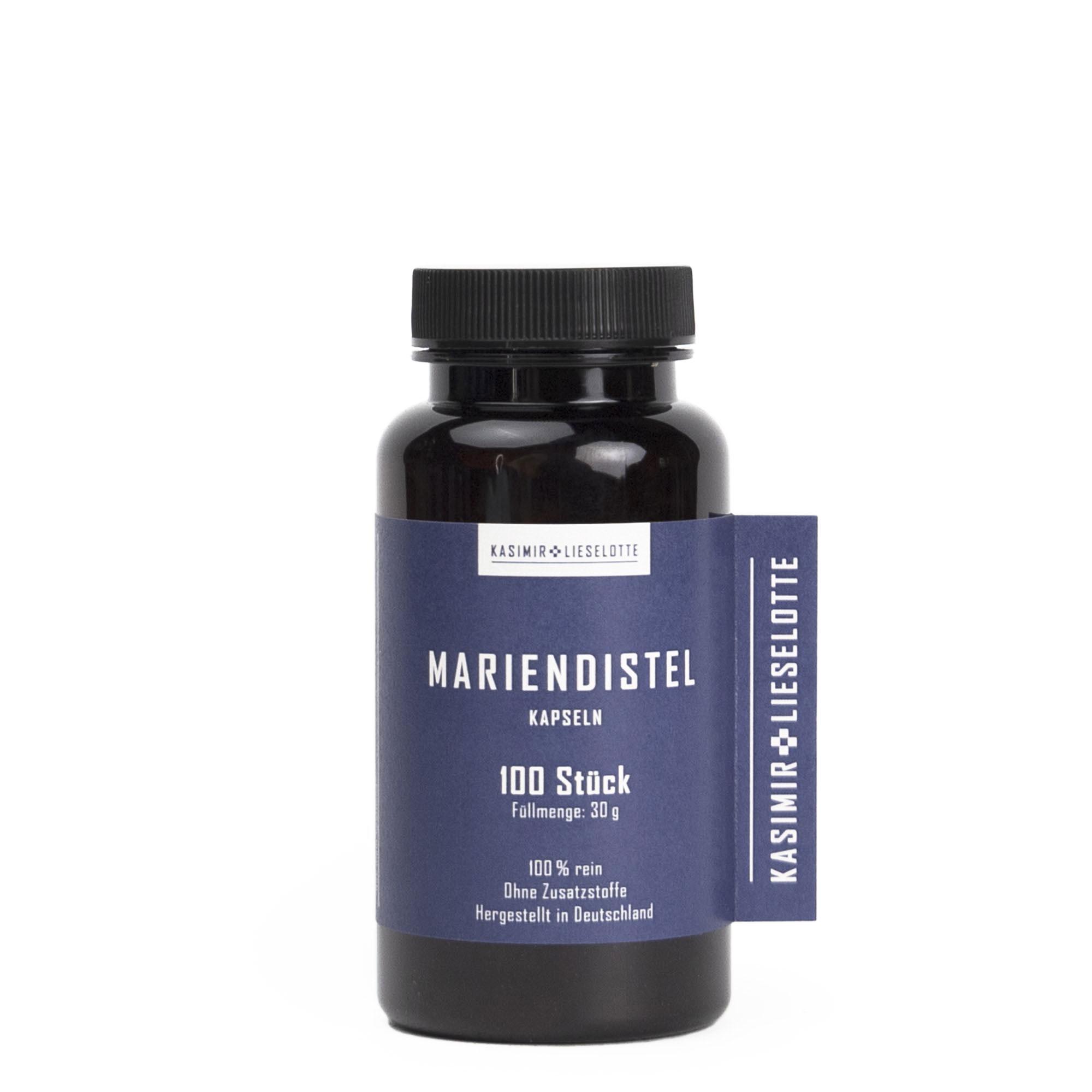
Kaisimir Milk Thistle Capsules
by KAISIMIR
Pros
- Pure milk thistle herb powder
- 900 mg of milk thistle herb per daily dose
- Low price
- Vegan
- Handmade
- Free from soya, gluten and lactose
- No added preservatives
- No added allergens
- GMO-free
Cons
- No information on silymarin content
- No information on whether the capsule shell is gastro-resistant
- 3 capsules a day
Verdict
With a daily dose of 900 mg of milk thistle herb powder, Kaisimir Milk Thistle Capsules are standard strength.
Kaisimir Milk Thistle Capsules contain dried milk thistle herb powder rather than an extract. This means the silymarin content per capsule cannot be determined. The product is handmade and vegan. It offers very good value for money.
For users with chronic symptoms or a specific therapeutic goal, it lacks the dosing precision needed.
Users report benefits for digestive problems and mild liver problems, and most find it well tolerated. However, users with chronic symptoms are more likely to find it falls short.
Two drawbacks stand out. The recommended daily dose of three capsules can be a struggle if you have difficulty swallowing. There is also no information on the silymarin content or on whether the capsule shell is gastro-resistant. If you want to know exactly how much active ingredient you are taking, this product cannot tell you.
Kaisimir Milk Thistle Capsules are made in Germany. Delivery costs 57 kr and usually takes 2–5 working days.

The active ingredients in milk thistle may help lower cholesterol levels.
Milk thistle and cholesterol
High cholesterol increases the risk of arteriosclerosis, heart attack and stroke. Several studies show that silymarin can inhibit the development of high cholesterol levels, especially when they're caused by an unhealthy diet.
In a controlled study of people with diabetes, those who took milk thistle had measurably lower cholesterol levels than the placebo group.
Milk thistle and diabetes
The silybin in milk thistle improves insulin sensitivity and lowers blood sugar without affecting insulin production. In this respect it works in a similar way to some type 2 diabetes medicines.
The antioxidant and anti-inflammatory properties of milk thistle may also reduce the risk of complications such as kidney disease, which are common with diabetes.
Milk thistle and mental wellbeing
The liver plays a crucial role in converting harmful substances and detoxifying the body. But if the liver is impaired, these harmful substances can linger in the body and have a negative effect on metabolism, digestion and other bodily functions.
This weakens the body and can lead to tiredness, problems concentrating and mood swings. Sleep problems, feelings of depression and general weakness can also occur. German even has a saying for someone in a bad mood: 'a louse has run over his liver'.
Taking milk thistle regularly, or as a course, can strengthen the liver and detoxify the body.
Milk thistle and skin health
Skin problems such as acne, eczema, dry skin and psoriasis can be very distressing and unpleasant, but they can also point to health problems. The skin is considered a mirror of your inner health, because it can show signs that internal organs aren't working properly or that your metabolism is out of balance.
The liver in particular plays a crucial role in detoxification and in storing vitamins in the body.
If its function is impaired, toxins can't be broken down properly and are deposited in the body.
Milk thistle can help improve skin health. It contains antioxidants that can reduce the oxidative stress that leads to inflammation.
A study of people with acne looked at the effects of three antioxidants, including silymarin from milk thistle. The study showed that silymarin can significantly improve the skin of people with acne. After 8 weeks of treatment, silymarin showed the best results, reducing skin lesions by 53%.
Our verdict: milk thistle works, as long as the active ingredient gets where it needs to go
Milk thistle is one of the most thoroughly researched medicinal plants of all. Its active ingredient, silymarin, protects liver cells, promotes their regeneration and supports detoxification. Its effects also reach far beyond the liver: silymarin improves the appearance of the skin, has a positive effect on cholesterol levels and can help regulate blood sugar in type 2 diabetes.
What really matters, though, is which product you choose. Many milk thistle supplements do contain silymarin, but get too little of it into the blood. Liposomal formulations have a clear advantage here: they protect the active ingredient on its way through the stomach, improve absorption through the gut wall and make sure silymarin actually arrives where it's meant to work.
If you look for a clearly declared silymarin content, high bioavailability and manufacturing without unnecessary additives, you give milk thistle the chance to work to its full potential.
Use our comparison to find the right milk thistle product for you.
Milk thistle products compared
* We may earn a commission from some of the companies featured. This is how we keep our comparisons free to read.
Some of these companies are our commercial partners.
Sources
- Bühring U, Praxis-Lehrbuch der modernen Heilpflanzenkunde, Grundlagen Anwendung Therapie, 2. Auflage, Sonntag Verlag
- Mohammad Asghari-Jafarabadi et al., Effects of Silybum marianum (L.) Gaertn. (silymarin) extract supplementation on antioxidant status and hs-CRP in patients with type 2 diabetes mellitus: A randomized, triple-blind, placebo-controlled clinical trial, February 2015, Phytomedicine
- (3) Deep G, Agarwal R. Antimetastatic efficacy of silibinin: molecular mechanisms and therapeutic potential against cancer. Cancer Metastasis Rev. 2010;29(3):447‐463. doi:10.1007/s10555-010-9237-0
- National Center for Integrative and Complementary Health, U.S. Department of Health and Human Services, Milk Thistle, September 2016
- Silibinin decreases prostate-specific antigen with cell growth inhibition via G1 arrest, leading to differentiation of prostate carcinoma cells: implications for prostate cancer intervention. 1999 Jun 22;96(13):7490-5. doi: 10.1073/pnas.96.13.7490.
- Karimi, G., Vahabzadeh, M., Lari, P., Rashedinia, M. and Moshiri, M., 2011. “Silymarin”, a promising pharmacological agent for treatment of diseases. Iranian journal of basic medical sciences, 14(4), p.308.
- Mulrow, C., Lawrence, V., Jacobs, B., Dennehy, C., Sapp, J., Ramirez, G., Aguilar, C., Montgomery, K., Morbidoni, L., Arterburn, J.M. and Chiquette, E., 2000. Milk thistle: effects on liver disease and cirrhosis and clinical adverse effects: summary.