
Guide
The best magnesium supplements compared (2026)
Last updated: 2 August 2026

Written by
Health Tested Editorial Team
Magnesium is one of the eight essential macrominerals and is involved in more than 500 biochemical reactions in the body.
Muscle function, nerve signals, energy production, protein synthesis: practically nothing in the body works without magnesium.
Despite magnesium's importance for health, deficiency is very common and can lead to a wide range of health problems that often go undetected for a long time.
In our comparison, we show you how to spot a deficiency early and how to correct it effectively.
We've gathered the key facts about this essential mineral and taken a close look at several products.

There are countless magnesium supplements on the market, but not all of them are effective.
Magnesium: an indispensable mineral for health
Magnesium, often called 'the miracle mineral', is an indispensable nutrient.
Like calcium, potassium and sodium, it's a mineral your body can't do without, and it plays a crucial part in many processes, such as:
- muscle and nerve function
- regulating blood sugar and blood pressure
- supporting the immune system
- protein and DNA synthesis
Magnesium is essential, which means it has to come from your diet: your body can't make it itself.

A magnesium deficiency can have serious consequences, especially for the muscles and nervous system, because the mineral is involved in signal transmission, muscle relaxation and energy production.
Why magnesium matters so much
Almost nothing happens in the body without magnesium. As a cofactor, the mineral is involved in more than 500 enzymatic reactions.
One of its most important jobs is in energy production. That's why the most common symptoms of a deficiency are lack of energy, tiredness and feeling overwhelmed.
Magnesium has a calming effect on the nervous system, which makes it important for easing stress and helping you unwind. It relaxes your muscles, which can help prevent cramps and tension.
It also supports the health of your bones and teeth, is crucial for heart health, has a positive effect on blood sugar levels, is essential for DNA and RNA synthesis and plays a role in regulating blood pressure.
Because of these many functions, magnesium matters not only for physical health but also for mental performance and general wellbeing.Magnesium also has a significant effect on vitamin D levels
Magnesium is extremely important for vitamin D metabolism. It's essential for converting vitamin D into its active forms: magnesium-dependent enzymes are involved when vitamin D is converted in the liver into 25-hydroxyvitamin D and then in the kidneys into 1,25-dihydroxyvitamin D, the biologically active form of vitamin D.
Without enough magnesium, these conversion steps don't work as well as they should. As a result, a vitamin D deficiency can persist despite vitamin D supplements or plenty of sunshine, simply because the body can't convert it.
Signs of magnesium deficiency
A magnesium deficiency can cause a range of symptoms that often go unnoticed. Common signs include:
- muscle cramps and twitches
- lack of energy and tiredness
- nervousness and anxiety
- sleep problems
- high blood pressure
- heart rhythm problems
- headaches and migraines
- digestive problems
- loss of appetite
- changes in mental health
- numbness or tingling (in the hands and feet)
Magnesium deficiency and possible consequences
Magnesium deficiency is widespread. In the US, an estimated 48% of the population is affected, and in Germany around 35% of people have a magnesium shortfall.
The most common causes of deficiency include an unbalanced diet that is low in magnesium-rich foods such as green leafy vegetables, nuts and wholegrains.
Chronic conditions such as insulin resistance, type 2 diabetes and digestive disorders can also impair magnesium absorption.
Taking certain medicines, such as diuretics and antibiotics, can also cause a deficiency, as can intense physical activity.
Magnesium deficiency is often underestimated, even though it's now linked to a number of chronic diseases, such as:
- Alzheimer's disease
- type 2 diabetes
- high blood pressure
- cardiovascular disease
- migraine
- ADHD
Getting enough magnesium can reduce insulin resistance and improve blood sugar levels, which is particularly relevant for people with diabetes, around 48% of whom have low magnesium levels.¹ ² Magnesium may therefore be a key factor in the prevention and treatment of diabetes.
Benefits of taking magnesium
Extensive research in recent years has shown that magnesium matters as much for mental health as for physical health. With the right product, you can benefit from:
- support for bone health
- better heart health
- muscle relaxation and relief from cramps
- stress relief and better sleep quality
- support for energy metabolism
- regulation of blood sugar
- better digestion
- mental clarity and improved cognitive function
- prevention of migraines
- support for DNA and RNA synthesis
Forms of magnesium
In its pure form, magnesium is highly flammable. That's why supplements use magnesium compounds, in which the magnesium is bound to another substance. These aren't just safer: each also has its own advantages.
Common forms include magnesium citrate, carbonate, chloride, sulfate, glycinate, orotate, oxide and malate.
The form also affects bioavailability, meaning how well your body can absorb and use the mineral.
To give you a clearer overview, we look at the four most common forms in more detail:
Magnesium bisglycinate
Magnesium bound to two glycine molecules (organic form).
- Advantages: magnesium bisglycinate is regarded as the gold standard among magnesium compounds and stands out for its exceptionally high bioavailability. Its biggest advantage: it's extremely well tolerated. The glycine it's bound to has a calming effect on the nervous system and can improve sleep quality.
- Drawbacks: because it's more complex to manufacture, magnesium bisglycinate is usually a little more expensive than other forms. Its magnesium content is slightly lower, as the glycine makes up more of the compound's weight, but the much better absorption more than makes up for this.
Magnesium citrate
Magnesium bound to citrate, the salt of citric acid (organic form).
- Advantages: magnesium citrate is known for its very good bioavailability and is quickly absorbed by the body. It's well tolerated and may also support bowel function. Its positive effects on energy metabolism and the nervous system make it a popular choice. It's a good option when you need magnesium quickly, for example as an athlete, or when a mild digestive effect is welcome too.
- Drawbacks: in sensitive people, higher doses of magnesium citrate can have a mild laxative effect. It's slightly less well tolerated than magnesium bisglycinate, especially by people with a sensitive digestive tract.
Magnesium oxide
Magnesium bound to oxygen (inorganic form).
- Advantages: magnesium oxide has a very high magnesium content by weight and is usually inexpensive. It's easy to find and a common choice for general magnesium supplementation.
- Drawbacks: its lower absorption rate means your body uses less of the magnesium. It can also cause digestive problems or have a laxative effect in some people.
Magnesium chloride
Magnesium bound to chloride (the salt of hydrochloric acid).
- Advantages: as well as being taken orally, magnesium chloride is suitable for transdermal use, for example in the bath, which offers an alternative way of absorbing the mineral. It may contribute to healthier skin and is often used to relieve muscle cramps.
- Drawbacks: taken orally, it can cause digestive problems and tends to have a stronger laxative effect than other forms.
Magnesium sulfate
Magnesium bound to sulfate (the salt of sulfuric acid).
- Advantages: better known as Epsom salts, it's a popular choice for relaxing baths and can help relieve muscle tension and aches. It's also valued for its cleansing effect.
- Drawbacks: magnesium sulfate is less suitable for taking orally, because it has a rapid laxative effect and magnesium absorption through the digestive tract is limited.
Each of these forms has its own strengths, and the choice often depends on individual needs and preferences. Magnesium bisglycinate, however, stands out for its high bioavailability, very good tolerability and gentle effect on the digestive tract. Thanks to this balanced profile, magnesium bisglycinate is the preferred and most effective choice for many people.

There are several things to consider when choosing a magnesium supplement.
What to avoid when buying magnesium
When you choose a magnesium supplement, here's what to steer clear of:
- a dose that is too low
- magnesium in a poorly bioavailable form
- gelatine capsule shells, binders and anti-caking agents
- artificial colourings
- allergens you react to, such as soya, gluten or lactose
- supplements at suspiciously low prices
- extremely high doses
What types of magnesium supplement are there?
Magnesium supplements come in several forms, each with its own advantages and drawbacks:
- capsules and tablets
- drops
- liposomal form
Tablets are among the most controversial forms. They often contain fillers and coatings that many people are sensitive to.
Capsules
Pros
Easy to swallow
Practical when travelling and on the go
Easy to dose (consistent active ingredient content)
No unpleasant taste or smell
Cons
Stomach acid can affect absorption of the active ingredient
Digestion can partly break down the active ingredient
The bioavailability of the active ingredient can vary
The capsule shell may contain gelatine
Often contains additives
Unsuitable for people with swallowing difficulties
A high dose may require several capsules
Drops
Pros
Easy to dose
Fast absorption of the active ingredient (via the mucous membranes)
Good for people with swallowing difficulties or stomach problems
Versatile: can be mixed into drinks or food
Cons
The drops can taste unpleasant
Exact dosing can be difficult, as drop size varies
The liquid can leak or spill
Shorter shelf life than capsules
Liposomal form
Pros
Higher bioavailability of the active ingredient
Better absorption by bypassing stomach acid
Lower dose needed for the same effect
Can mask the taste of the active ingredient
No additives
Cons
May cost more because manufacturing is more complex
Availability and choice may be limited
Producing liposomes can be difficult and requires specialised technology
Magnesium in true liposomal form
One particularly advanced form of magnesium supplement is the liposomal version. Liposomal magnesium is encapsulated in tiny liposomes, which improve absorption. This means your body can use the magnesium more efficiently, and the active ingredient is absorbed directly into the bloodstream with nothing lost along the way.
Encapsulating the active ingredient in liposomes protects it from stomach acid and digestive enzymes, which can minimise digestive discomfort.
The liposomal coating is an innovative solution that lets the body absorb and use far more of the active ingredient.Note: a liquid product isn't automatically liposomal.
Because they measure just nanometres across and are made of fats, liposomes protect the magnesium inside them from being broken down by enzymes, such as those in saliva and stomach acid. They deliver the magnesium directly into the bloodstream, which significantly improves absorption of the active ingredient.

Because the active ingredient is so readily available, much lower doses are needed. Studies have found that liposomal magnesium can be absorbed around five times better by the body.
Top 3: the best magnesium supplements on the market
Finding the right magnesium supplement isn't easy.
That's why we assess products against the following six criteria:
How is the product formulated?
Are there any study or test results?
Is the dose right, neither too high nor too low?
Does the product contain any allergens?
How good is the value for money?
Is there anything special about the formulation or production?
The best available form of magnesium
Magnesium comes in two different forms: organic and inorganic. The difference matters above all for how well it's absorbed and how effective it is in the body:
- Inorganic magnesium
Inorganic magnesium, such as magnesium carbonate, sulfate, oxide or chloride, contains a lot of magnesium, but your body finds it hard to absorb. That's because the mineral is in a form that isn't ideally suited to the way your body processes it.
- Organic magnesium
Organic magnesium, by contrast, is bound to other substances, for example amino acids or citrates. These forms include magnesium bisglycinate, citrate, taurate and malate. These bonds make it easier for the body to absorb and use the magnesium.
As a result, organic magnesium supplements often work better and faster.³ They're particularly useful if you want to use magnesium to support your general health or to treat specific issues such as muscle cramps or poor sleep.
When you compare the two forms, it's worth knowing that your body absorbs and uses the organic form more easily, while inorganic magnesium may be high-dose but is less bioavailable.
Beware of very high doses and magnesium complexes
With magnesium, more isn't always better. At first glance, it may be tempting to choose a high-dose supplement or a magnesium complex containing several different forms of magnesium. However, products like these can do more harm than good:
- Bioavailability and absorption: different forms of magnesium have different absorption rates. In a complex, one form could impair the absorption of another, and the forms may not all be equally effective.
- Lack of specific studies: most studies on magnesium focus on single compounds. There's less research on the combined effect of magnesium complexes, which makes it harder to determine how effective and safe they really are.
- Interactions and intolerances: certain magnesium compounds can interact with other medicines or supplements. In a complex, the risk of such interactions rises because more compounds are involved.
- Gastrointestinal side effects: some forms of magnesium can cause stomach and bowel problems, and in a complex it can be harder to pinpoint the cause.
- Higher cost: magnesium complexes are often more expensive than single-ingredient supplements.
- Allergies and sensitivities: complexes can contain additives that trigger allergies or intolerances in some people.

The most important factor: how is the magnesium supplement formulated?
The most important factors when choosing a magnesium supplement are the form (organic/inorganic), the dosage, the type of magnesium formulation and the quality of the ingredients. The formulation matters because different kinds of magnesium are absorbed to very different degrees, so their bioavailability varies considerably. The quality of the ingredients is another important factor, as poor-quality ingredients can reduce the effectiveness of the supplement. It's worth looking for supplements that come from high-quality, natural sources and are free from additives.
product review
TESTED
our quality criteria
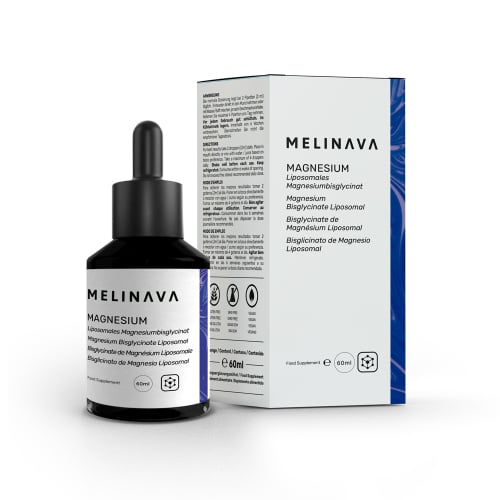
MELINAVA Magnesium
by MELINAVA
Pros
- Gold-standard form: 40 mg magnesium bisglycinate
- Chelated to the amino acid glycine for maximum tolerability
- Liposome technology
- High bioavailability thanks to liposomes (5x higher)
- Gentle on the stomach
- Vegan
- Made in Europe
- Free from soya, gluten and lactose
- No added preservatives
- No added allergens
- GMO-free
Cons
- Only available online
- Often sold out
Verdict
Melinava Magnesium is high-strength, with 40 mg magnesium bisglycinate per daily dose, and uses the gold-standard form of magnesium. Magnesium bisglycinate is considered the highest-quality and best-tolerated form of magnesium on the market.
Because the active ingredient is encapsulated in liposomes, much lower doses are needed than with conventional supplements.
Melinava's formulation uses only the organic form of magnesium. The manufacturer takes tolerability very seriously, which is why the product is completely free from unwanted additives.
Thanks to modern liposome technology, the bioavailability of Melinava is up to 5x higher. The liposomal coating improves tolerability, and the active ingredient goes directly into the bloodstream.
The many positive customer reviews of Melinava Magnesium speak for themselves.
Melinava has already been used with very good results for symptoms such as lack of energy, muscle tension and cramps, poor concentration and sleep problems, as well as for a weakened immune system and low mood. The glycine it is bound to has a calming effect on the nervous system and supports restful sleep, an extra benefit that only magnesium bisglycinate offers.
There are no known side effects so far, and many customers say they tolerate it very well.
You can find more information on the manufacturer's website.
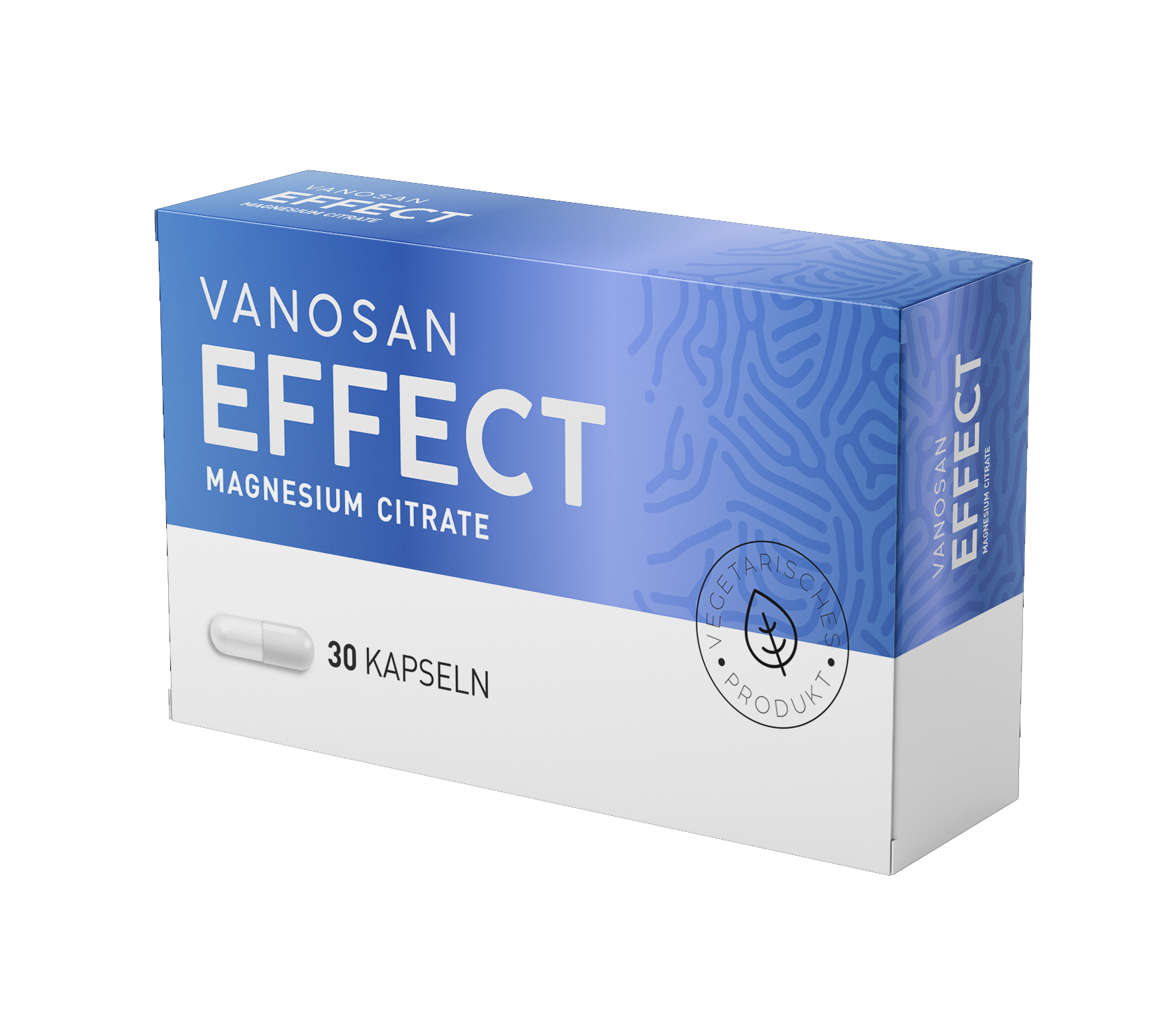
VANOSAN Magnesium
by VANOSAN
Pros
- Laboratory-tested
- Good value for money
- Vegan
- Made in Germany
- No added preservatives
- No added allergens
Cons
- Only available online
- Not highly bioavailable
Verdict
Magnesium from Vanosan is well dosed, with 400 mg magnesium citrate per daily dose. However, the dosage form limits effective absorption, as the magnesium citrate is not highly bioavailable to the body.
Users are mostly positive about Vanosan Magnesium. It is well tolerated and relieves symptoms such as tiredness, muscle cramps and fatigue.
It is made in Europe, and delivery usually takes 1–3 working days.
vitamaxe Magnesium Citrate
by VITAMAXE

Pros
- High-strength
- Laboratory-tested
- Good value for money
- Vegan
- Made in Germany
- Gastro-resistant capsule
- No added preservatives
Cons
- 3 capsules a day
- Not free from fillers and anti-caking agents
Verdict
Magnesium Citrate from vitamaxe is high-strength, with a daily dose of 360 mg.
The tablets are comparatively small, which makes them easier to take.
Users are mostly positive about Magnesium Citrate from vitamaxe. It is well tolerated and relieves symptoms such as lack of energy and fatigue. However, users with chronic symptoms often find the effect unsatisfactory. Some customers criticise the taste of the capsules.
It is made in Germany, and delivery usually takes 1–3 working days.

Natural immune support
Magnesium plays an essential role in supporting the immune system. As a cofactor in more than 300 enzymatic reactions in the body, it's vital for maintaining a healthy immune system. Magnesium contributes to the production and activation of immune cells, which is crucial for defending the body against pathogens such as viruses and bacteria.
It has an anti-inflammatory effect by regulating the release of inflammatory mediators, which helps to prevent excessive inflammatory reactions that can lead to health problems.⁵ Magnesium also supports antibody production, which matters for long-term immunity. Through these many functions, magnesium helps to strengthen the immune system, both in its immediate response to infections and in its long-term defence against disease.

Magnesium: the key to restful sleep
Magnesium's role in relaxation and stress management is often underestimated, yet it offers natural support for body and mind. Under stress, your body uses up more magnesium, a mineral that's essential for healthy communication between nerves and muscles. By helping to regulate stress hormones, magnesium makes it possible to feel calm and at ease.
Interestingly, this also supports sleep quality, a key factor in the fight against stress. By calming the nervous system, it eases inner tension, which makes it a strong ally against trouble falling asleep and restless nights.
Magnesium and depression
Magnesium is a key element in brain metabolism and has a significant influence on mood. Scientific research suggests that low magnesium levels may be a risk factor for developing depression.⁵ A large 2015 study of around 8,800 people found that those with the lowest magnesium levels had a 22% higher risk of depression.
Experts suspect that the falling magnesium content of our modern diet contributes significantly to the rise in depression and other mental illnesses. Remarkably, taking magnesium can in some cases bring clear improvements in people with depression. In one study, adults with depression took 450 mg of magnesium a day, which led to significant improvements in their symptoms. These findings underline magnesium's potential role, not only as an essential nutrient for general wellbeing but also as a possible contribution to improving mental health.
Our verdict: it all comes down to the right form of magnesium
Magnesium is involved in more than 300 metabolic processes, making it essential for muscles, nerves, energy production and mental balance. The mineral regulates muscle relaxation, supports bone health and contributes to stress regulation. Yet a large part of the population doesn't reach the recommended daily intake, with noticeable consequences such as muscle cramps, exhaustion and sleep problems.
The good news: a magnesium deficiency can be corrected effectively. What matters most is choosing the right form of magnesium. While cheap compounds such as magnesium oxide are poorly absorbed and often cause digestive problems, magnesium bisglycinate offers the best combination of high bioavailability, excellent tolerability and an extra calming effect from the glycine it's bound to.
When you buy, look for quality and a form that suits your individual needs.
* We may earn a commission from some of the companies featured. This is how we keep our comparisons free to read.
Sources
- Wang, J., Persuitte, G., Olendzki, B. C., Wedick, N. M., Zhang, Z., Merriam, P. A., Fang, H., Carmody, J., Olendzki, G. F., & Ma, Y. (2013). Dietary magnesium intake improves insulin resistance among non-diabetic individuals with metabolic syndrome participating in a dietary trial. Nutrients, 5(10), 3910–3919. https://doi.org/10.3390/nu5103910
- Mooren, F. C., Krüger, K., Völker, K., Golf, S. W., Wadepuhl, M., & Kraus, A. (2011). Oral magnesium supplementation reduces insulin resistance in non-diabetic subjects - a double-blind, placebo-controlled, randomized trial. Diabetes, obesity & metabolism, 13(3), 281–284. https://doi.org/10.1111/j.1463-1326.2010.01332.x
- Walker, A. F., Marakis, G., Christic, S., & Byng, M. (2003). Mg citrate found more bioavailable than other Mg preparations in a randomised, double-blind study. Magnesium research, 16(3), 183-191.
- Houston M. (2011). The role of magnesium in hypertension and cardiovascular disease. Journal of clinical hypertension (Greenwich, Conn.), 13(11), 843–847. https://doi.org/10.1111/j.1751-7176.2011.00538.x
- Kirkland, A. E., Sarlo, G. L., & Holton, K. F. (2018). The Role of Magnesium in Neurological Disorders. Nutrients, 10(6), 730. https://doi.org/10.3390/nu10060730
- Dolati, S., Rikhtegar, R., Mehdizadeh, A., & Yousefi, M. (2020). The Role of Magnesium in Pathophysiology and Migraine Treatment. Biological trace element research, 196(2), 375–383. https://doi.org/10.1007/s12011-019-01931-z