
Guide
Lycopene: the best products compared (2026)
Last updated: 6 August 2026

Written by
Health Tested Editorial Team
Sun protection from within, a healthier heart, more radiant skin: these promises sound as if they'd call for expensive products or complicated routines. Yet one of the most effective natural protective compounds has been there all along: lycopene.
The red plant pigment from tomatoes is one of the strongest antioxidants known. When it comes to neutralising aggressive free radicals, it is ten times as effective as vitamin E and even a hundred times as effective as vitamin C.¹ And in your body it seeks out the very places where it's needed most: skin, eyes, heart, prostate.²
The problem is that the amounts that produced measurable effects in studies are hard to reach reliably through diet alone. And even if you eat a lot of tomato products, you often only absorb a fraction of the lycopene they contain.
Our comparison shows which supplements solve this problem and which one performs best.

There are countless lycopene supplements on the market, but not all of them are effective.
Red protection from the tomato
Carotenoids are everywhere in nature. They turn carrots orange, peppers yellow and flamingos pink. Yet among the more than 600 known carotenoids, lycopene holds a special place. Your body can't make it, so it has to come from your diet.
What makes it special is its molecular structure. Lycopene can take up and bind excess electrons without becoming unstable itself. Free radicals, which steal these very electrons from other molecules, are neutralised before they can do any damage.
The consequences of unchecked oxidative stress are gradual but serious: faster skin ageing, weakened blood vessels, declining organ function.
Lycopene neutralises these radicals before they can do damage, and it does so more reliably than most other known plant compounds.This exceptional strength explains why even small amounts of lycopene can have a big effect.
A pigment with a protective job
The tomato plant produces lycopene for protection. It's a survival strategy. When tomatoes ripen in full sun, they're exposed to intense UV radiation and heat. Free radicals form and cells can be damaged. Lycopene captures these aggressive molecules, and the tomato stays healthy.
And what keeps the plant alive can trigger the same protective mechanism in the human body.
Lycopene in food
The highest concentrations of lycopene are found in tomato purée, tomato juice and watermelon. Heating breaks down the cell walls and makes the lycopene more available. One tablespoon of tomato purée provides more usable lycopene than three fresh tomatoes.
But to reach the amounts that produced measurable effects in studies, you'd have to eat several tablespoons of tomato purée a day. Every day.
High-quality lycopene supplements provide this amount reliably, and in a form your body can actually absorb.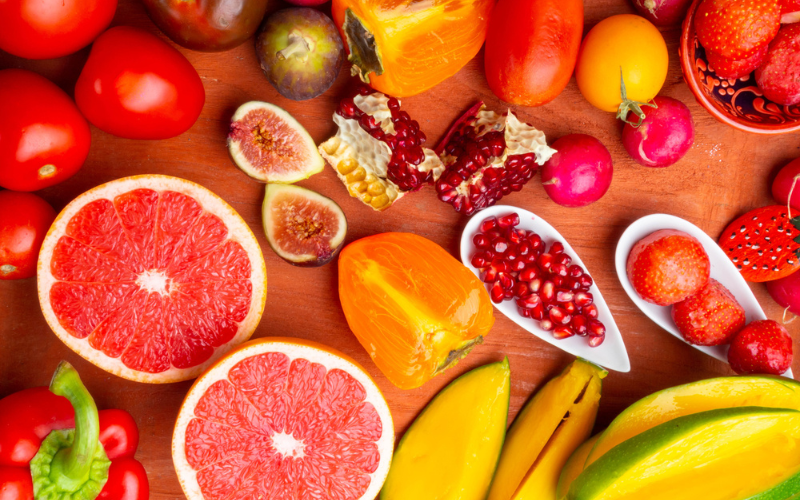
Carotenoids give red fruit and vegetables their characteristic colour. The best known of them is lycopene, found mainly in tomatoes, watermelon and grapefruit.
Lycopene builds up where it's needed
Lycopene tends to build up right where oxidative stress is highest.⁴
- Skin: here lycopene acts like an internal sunscreen. It's stored in every layer of the skin and protects against UV damage.
- Eyes: it collects in the retina and macula, where the strain from free radicals is especially high.
- Prostate: this is where men have their highest lycopene concentrations.
- Liver: as the organ that detoxifies the body, the liver is constantly exposed to free radicals. Lycopene protects liver cells from oxidative damage.
- Heart and blood vessels: in the vessel wall, lycopene protects LDL cholesterol from oxidation, a key process in the development of arteriosclerosis.
- Fatty tissue: lycopene is stored in fatty tissue, where it protects cells from oxidative damage linked to inflammation and metabolic problems.
Sun protection from within
Lycopene builds up in every layer of the skin, where it protects cells at a molecular level from UV damage. A well-known clinical study showed that eating tomato purée regularly for twelve weeks significantly reduced the degree of skin reddening caused by UV radiation.⁵ That's a measurable protective effect.
At the same time, lycopene inhibits the enzymes that are activated by sunlight and break down collagen. Taking it regularly has been shown to help slow premature skin ageing and keep your skin looking good for longer.

As the body's largest organ, the skin is especially vulnerable to oxidative stress. Damage quickly shows up as wrinkles or dryness. Lycopene tends to build up in the skin and can counteract this.
Lycopene and cell protection: what the research shows
The most extensive body of research on lycopene concerns protection against uncontrolled cell growth, especially in the prostate.
The Health Professionals Follow-Up Study, one of the world's largest nutrition studies, involving more than 47,000 men, found a notable link: men with the highest lycopene intake had a 21% lower risk of prostate disease than those with the lowest intake.⁶
Lycopene works at cell level. It reduces DNA damage, inhibits signals that can trigger uncontrolled cell growth and supports the natural breakdown of damaged cells.
There are also signs of similar protective effects in the lungs, stomach and cervix.⁷
Lycopene is no substitute for medical check-ups. If you have an existing condition, it's essential to get medical advice.
Signs of increased oxidative stress
The following signs may point to a heavy free-radical load:
- getting sunburnt easily despite sunscreen
- age spots that multiply quickly
- premature skin ageing
- dry, dull skin
- tired, irritated eyes after exposure to light
- declining eyesight
- frequent inflammation
- slow wound healing
Benefits of taking lycopene
Taking lycopene regularly may offer a range of benefits:
- protection for the skin against UV damage, fewer age spots and finer wrinkles
- better protection for the eyes against age-related macular degeneration
- a lower risk of prostate disease and urinary problems
- protection for blood vessels by inhibiting LDL oxidation
- an anti-inflammatory effect that counteracts many chronic conditions
- protection for the liver against oxidative stress
- possible support for cognitive function

There are several factors to consider when choosing the right product.
When lycopene makes the most sense
- If you spend a lot of time in the sun:
If you spend a lot of time outdoors, hiking, cycling or gardening, your skin is exposed to UV radiation every day. Studies show that the skin's natural sun protection factor rises by around 30% after 10–12 weeks of taking lycopene.
- For men with prostate problems:
An enlarged prostate affects almost one in two men over 60 and shows up in everyday life as a frequent urge to urinate, broken sleep and a lower quality of life. Large epidemiological studies show that men with a high lycopene intake have up to a 21% lower risk of serious prostate disease than those with a low intake.
- If you're at risk of cardiovascular disease:
Oxidised LDL cholesterol is the main trigger of arteriosclerosis. Lycopene inhibits this oxidation, and studies show lower heart attack rates in people with high lycopene levels.
- To protect your eyesight:
Age-related macular degeneration (AMD) and cataracts are the main causes of failing eyesight. Together with lutein and zeaxanthin, lycopene can protect the retina from oxidative damage.
- If you have chronic inflammation:
Osteoarthritis, rheumatism and inflammatory bowel disease share a common root: chronic inflammation. Lycopene has been shown to lower inflammatory markers such as CRP and interleukin-6.
- For women after the menopause:
Oestrogen deficiency speeds up the loss of bone density. Recent studies suggest that lycopene may slow this process by influencing the cells that break down and build up bone.
Lycopene is regarded as safe and very well tolerated. In studies, even doses of 75 mg a day over several months caused no side effects.
Bioavailability: the deciding factor for lycopene
Lycopene is fat-soluble. Without fat, it's barely absorbed. Eaten without olive oil, a tomato gives you only a fraction of its lycopene.
There's another factor too: lycopene exists in two molecular forms, the all-trans form and the cis form. Your body absorbs the cis form more readily, and it builds up in the tissues. It forms mainly when tomatoes are heated, which is why processed tomato products are often more effective than fresh ones.
Supplements that contain a natural mix of both forms are considered the most beneficial in the scientific literature.⁸ A cis-isomer share of at least 10–15% is regarded as a mark of quality.
Lycopene supplements: from liquids to capsules
Lycopene is available as:
- softgel capsules
- tablets
- drops
- liposomal formulations
- combination supplements, often with other carotenoids or antioxidants
Because lycopene is fat-soluble, how well it's absorbed depends heavily on the formulation and on whether you eat fat at the same time. Liposomal formulations in particular can improve bioavailability, because they enclose the active ingredient in a fat-like structure and so make it easier for your body to absorb.
Capsules
Pros
Easy to swallow
Practical when travelling and on the go
Easy to dose (consistent active ingredient content)
No unpleasant taste or smell
Can be combined with other active ingredients
Cons
Stomach acid can affect absorption of the active ingredient
Digestion can partly break down the active ingredient
The bioavailability of the active ingredient can vary
The capsule shell may contain gelatine
Often contain additives
Unsuitable for people with swallowing difficulties
Several capsules may be needed if the dose is low
Drops
Pros
Easy to dose
Fast absorption of the active ingredient (through the mucous membranes)
Well suited to people with swallowing difficulties or stomach problems
Versatile, can be mixed into drinks or food
Cons
The drops may taste unpleasant
Exact dosing can be difficult, as the number of drops varies
The liquid can drip or spill
Short shelf life
Liposomal form
Pros
Higher bioavailability of the active ingredient
Better absorption by bypassing stomach acid
A lower dose is needed for the same effect (usually just 1 capsule)
Can mask the taste of the active ingredient
No additives
Cons
May cost more because of the more complex manufacturing process
Availability and choice may be limited
Making liposomes can be difficult and requires specialist technology
Less choice, as not all manufacturers use the process
Why liposomal lycopene is the better choice
Lycopene is fat-soluble. That means conventional capsules only work properly if you take them with enough fat. If you take lycopene on an empty stomach or after a low-fat meal, you won't absorb much of the active ingredient.
Liposomal formulations solve this problem. A liposome is a tiny capsule made of a fatty layer, built just like the membrane of human cells. The active ingredient is enclosed inside it and carried directly to where it needs to work. Stomach acid and digestive enzymes can't touch it along the way.
The result is significantly higher bioavailability. Your body absorbs more of the active ingredient, and your digestive tract is under less strain than with conventional capsules.
The chart below shows how much lycopene your body loses with conventional products. The difference between the liposomal and conventional forms is considerable.

A simple model of a liposome. A liposome is like a tiny bubble with a fatty layer on the outside and a watery chamber on the inside.
Top 3: the best lycopene products of 2026
There are countless lycopene products on the market today. We assessed them against several criteria to show you the best:
What is the supplement made of?

Are there study or test results?

How high is the dosage of the nutrient?

Does the product contain allergens?

How good is the value for money?

Are there special features in the composition or manufacturing?
product review
TESTED
our quality criteria
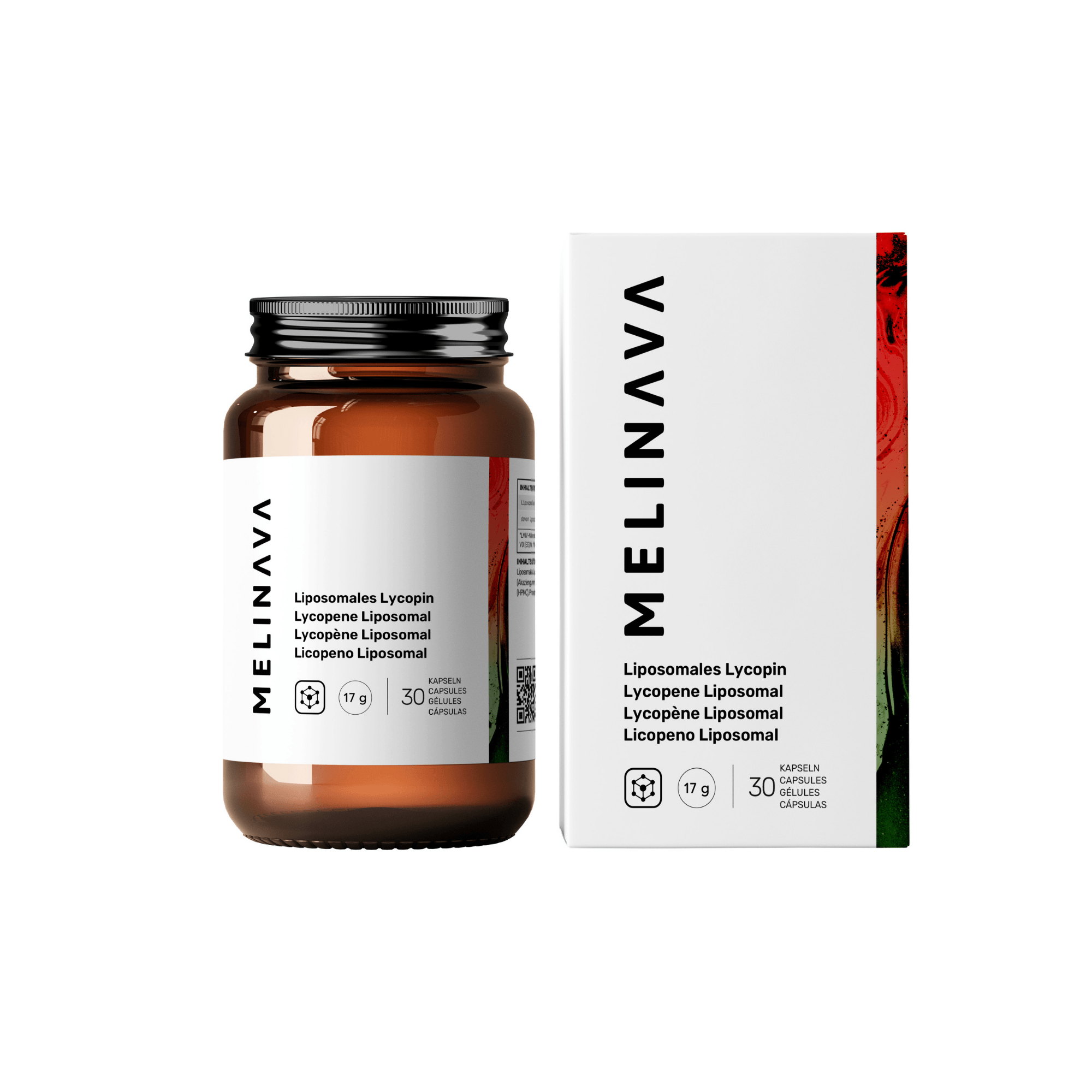
MELINAVA Liposomal Lycopene
by MELINAVA
Pros
- 15 mg pure lycopene per daily dose
- Made from natural Indian tomato purée
- Contains both all-trans lycopene and cis isomers
- Liposomal formulation for better absorption
- Made from non-GMO tomato extract
- Free from allergens
- No artificial additives
- Vegan
- Made in Europe (France)
- Brown glass packaging that keeps out light
- 30 capsules for 1 month
Cons
- Only available online
- Higher price because of the liposome technology
- Sometimes sold out due to high demand
Verdict
Melinava Liposomal Lycopene is high-strength, with 15 mg per capsule, which puts it at the upper end of what is used in clinical studies to support skin, heart and prostate.
Melinava takes first place in our test. The product is particularly suitable for people who want to protect their skin from within, who are often exposed to strong sunlight or who want targeted support for their prostate.
The liposomal encapsulation means the fat-soluble lycopene reaches the bloodstream much more effectively. That is a decisive advantage over conventional products.
The natural extract from Indian tomatoes also provides the full range of naturally occurring plant compounds that enhance its effect. The brown glass packaging keeps out light and protects the lycopene from premature breakdown, while many competing products in clear containers lose potency while still on the shelf.
After several months of regular use, customers report a visibly improved complexion, less sunburn and fewer age spots. Men with prostate problems report improved urine flow.
Most striking of all, for several users the effect even showed up in their lab results, with measurable improvements in markers of oxidative stress.
Melinava is very well tolerated, and just one capsule a day is all you need.
One pack contains 30 capsules for 30 days. Taken daily, that works out at less than 10 kr a day.
The manufacturer takes the product's tolerability very seriously, which is why it is completely free from unwanted additives. You can find more information on the manufacturer's website.
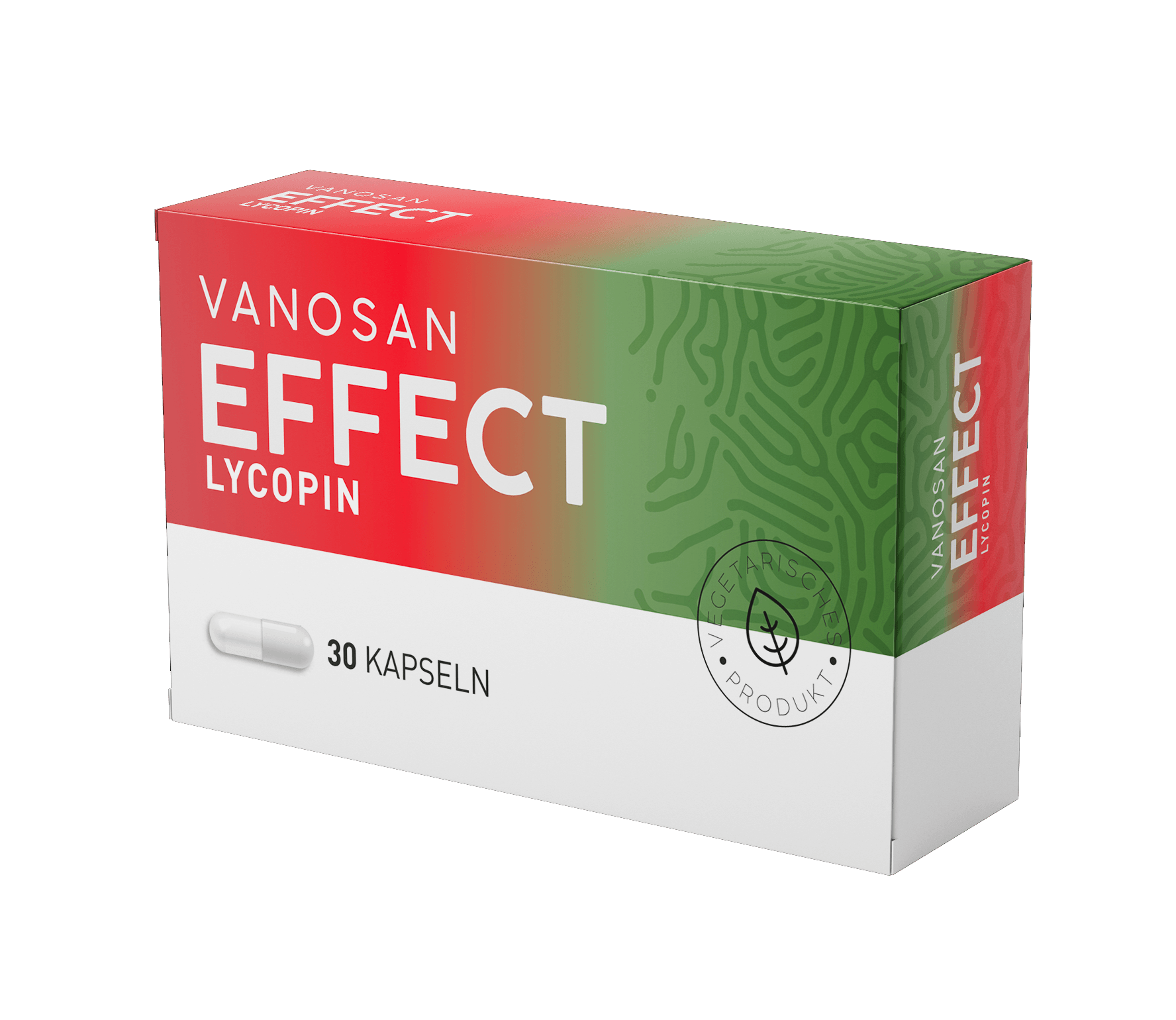
Vanosan Lycopene
by VANOSAN
Pros
- 20 mg lycopene per capsule
- Made from natural tomato extract
- Combined with vitamin E
- Vegan and gluten-free
- Made in Germany
- Laboratory-tested quality
- 90 capsules per pack
- 1 capsule a day
Cons
- Packaging does not protect against light
- No liposomal formulation
- Only available online
Verdict
With 20 mg per daily dose, Vanosan Lycopene provides a good everyday dose and takes second place in our test.
The lycopene is obtained from natural tomato extract and combined with vitamin E. This combination makes scientific sense, because the two antioxidants work synergistically and together protect cell membranes from oxidative stress.
Without liposomal encapsulation or added oil, how much is actually absorbed depends heavily on what you eat with the capsule, and how much. If you consistently take Vanosan with a meal containing fat, you can improve its bioavailability considerably.
Users report a more even complexion after a few weeks and appreciate the simple routine of one capsule a day. If you have a sensitive stomach, make sure you take it with a meal so it is gentler on your stomach.
Value for money is good for a product of this quality.
How to take it: one capsule a day with a meal containing fat.
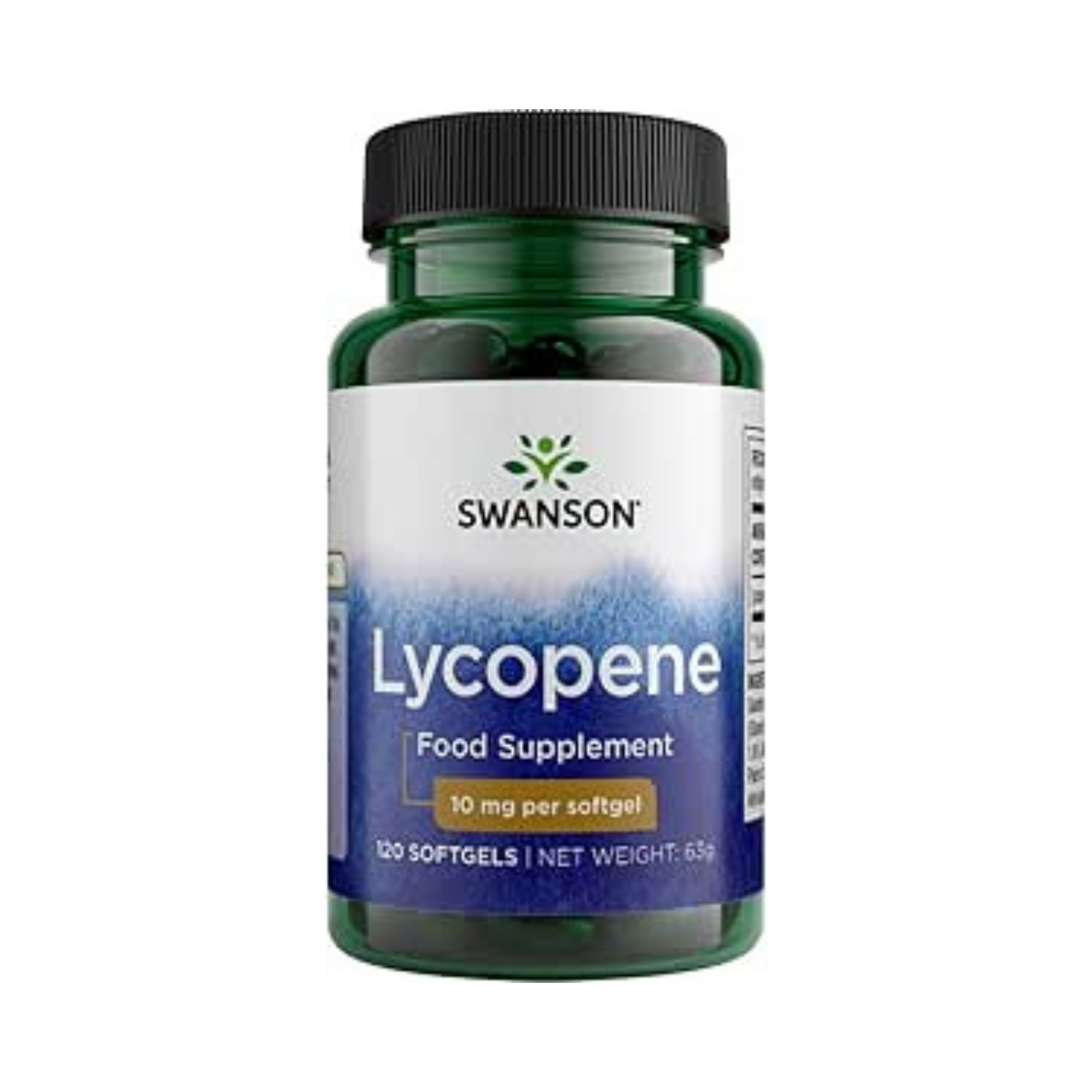
Swanson Lycopene
by SWANSON
Pros
- Good absorption, as it is dissolved in rice bran oil and maize germ oil
- Gluten-free
- Good value for money
- GMO-free
- 120 capsules per pack
- Only 1 capsule a day
Cons
- Imported from the US (longer delivery times, possible customs charges)
- No liposomal formulation
- Unsuitable for vegetarians and vegans because of the gelatine
- No information on where the lycopene comes from
Verdict
Swanson's lycopene capsules take third place in our test. Swanson is an internationally known brand, and the product has some practical advantages.
With 120 capsules per pack, one pack lasts much longer than most competitors' packs. The price per dose is low and the capsules are pleasantly small. The added rice bran oil and maize germ oil generally support the absorption of the lycopene.
On closer inspection, however, there are some limitations. At 10 mg per capsule, the dose is below the range that produced measurable effects in studies. Anyone who needs a clinically relevant dose would have to take two capsules a day.
The capsule shell is made of gelatine, which rules the product out for vegans and vegetarians. And because it is imported from the US, there may be additional customs charges.
Customers report fast and reliable delivery, and buyers also rate the customer service highly.
Take one capsule a day, ideally with a meal containing fat.

Your skin is exposed to UV radiation and environmental influences every day. Lycopene builds up directly in the skin, where it helps protect your cells from within.
Antioxidant protection against ageing
As you get older, collagen production falls, your skin gets thinner, wrinkles deepen and age spots appear. UV radiation, air pollution and free radicals speed up this process.
Once taken, lycopene builds up in every layer of the skin and inhibits the enzymes that break down collagen.
A controlled study showed that taking lycopene regularly can significantly lower the index of UV-induced skin reddening. That's measurable evidence of a protective effect.⁹
If you actively look after your skin, lycopene is one of the few substances with a scientifically demonstrable anti-ageing effect from within.⁹Prostate: support for a sensitive organ
Prostate disease is one of the most common health problems in men. Almost one in two men over 60 also has benign prostate enlargement, which leads to problems passing urine.
The causes are complex, as hormones, inflammation and oxidative stress all play a part. Lycopene concentrates more strongly in the prostate than in any other organ. Why? It is probably an evolutionary protective mechanism.
Lycopene may also help with benign prostate enlargement. It inhibits the conversion of testosterone into dihydrotestosterone (DHT), the hormone that drives prostate enlargement. It reduces inflammation and protects the DNA of prostate cells from oxidative damage.
For men over 50, this makes lycopene one of the best-researched plant compounds of all for protecting the prostate.
Especially important for men: lycopene tends to build up in the prostate and has been researched extensively for years.
Heart and blood vessels: how lycopene protects your circulation
Cardiovascular disease is one of the biggest health problems worldwide. And it often develops unnoticed over decades. A key trigger is the oxidation of LDL cholesterol. Normal LDL isn't a problem for your body. Only when it's altered by free radicals can it build up in the vessel walls and trigger inflammation.
Lycopene protects LDL cholesterol from this very oxidation, lowers inflammatory markers and improves the function of the inner walls of the blood vessels. Studies also show lower heart attack rates in people with high lycopene levels. For heart health, a daily dose of 10–20 mg is recommended.
Lycopene is a sensible preventive measure, not a substitute for medical care. If you already have heart problems, talk to your doctor before you start taking it.
Our verdict
Lycopene is one of the best-researched natural antioxidants of all. The body of research on its effects on prostate and heart health, skin protection and anti-ageing at cell level is impressive. For older people, whose cells are increasingly affected by oxidative stress, lycopene can offer valuable support.
The effect won't appear overnight, but if you take lycopene regularly, you'll see it eventually: in the mirror, in your complexion and in your lab results.
Making lycopene part of your daily routine actively helps keep your cells healthy, your blood vessels protected and your skin radiant. At the same time, lycopene is one of those supplements where the formulation matters more than usual: without fat, the active ingredient can't work to its full effect. So when you choose, look for formulations such as liposomes or capsules with added oil.
Find the right lycopene for your needs in our comparison.
See the lycopene products we tested
* We may earn a commission from some of the companies featured. This is how we keep our comparisons free to read.
Some of these companies are our commercial partners.
Sources
1. Di Mascio P et al. Lycopene as the most efficient biological carotenoid singlet oxygen quencher. Arch Biochem Biophys. 1989.
2. https://pubmed.ncbi.nlm.nih.gov/17349800/
3. Stahl W, Sies H. Uptake of lycopene and its geometrical isomers is greater from heat-processed than from unprocessed tomato juice in humans. J Nutr. 1992. Volume 122, Issue 11. 2161-2166.
4. https://pubmed.ncbi.nlm.nih.gov/8951028/
5. Stahl W et al. Dietary tomato paste protects against ultraviolet light-induced erythema in humans. J Nutr. 2001.
6. https://europepmc.org/article/MED/7473833
7. https://academic.oup.com/jnci/article-abstract/106/2/djt430/2518144
8. https://www.sciencedirect.com/science/article/pii/S0022316622100763
9. Stahl W et al. Dietary tomato paste protects against ultraviolet light-induced erythema in humans. J Nutr. 2001.