
Guide
Iron tested: the best supplements compared (2026)
Last updated: 5 August 2026

Written by
Health Tested Editorial Team
Iron is far more than just a trace element: it's key to your energy, performance and resilience.
Without enough iron, your body starts running on low power, and tiredness, pale skin or concentration problems can follow.
Deficiency is not uncommon in women, athletes and people who eat a mainly plant-based diet¹, and it often goes unnoticed for a long time. Iron deficiency is also the most common nutrient deficiency worldwide.
In our 2026 iron comparison, we show you why many people benefit from taking iron, how to spot the signs of deficiency early and which supplements really stand out.

There are countless iron supplements on the market, but not all of them are effective.
Iron: the invisible hero in your bloodstream
Your body needs many trace elements, but iron is one of the most important. It's not only responsible for making red blood cells but also plays a central role in oxygen transport, cell function and the immune system.²
Although you only need a relatively small amount, many people struggle to get enough.
An estimated 2 billion people have iron deficiency or iron-deficiency anaemia, which is around 25% of the world's population.³
These figures make three things clear:- iron deficiency is the most common nutrient deficiency worldwide
- women of childbearing age, pregnant women and children under five are particularly affected
- in low-income countries, the figures are often much higher
A problem on this scale shows how important it is for global health that people get enough iron.
How much iron do you need?
Because your body can't make iron itself, it has to come from your diet. Requirements vary from person to person, but they differ most between men and women.
Reference values for adults⁴- men: around 10 mg a day
- women aged 19 to 50: around 15 mg a day (because of monthly blood loss)
- women aged 51 and over: around 10 mg a day
If you eat a mainly plant-based diet, you often need more, because iron from plants is less well absorbed. On a meat-free diet, the requirement can be up to 50% higher.
People with chronic blood loss or bowel conditions (e.g. coeliac disease or Crohn's disease) usually need more too.⁸
Many people don't reliably reach the recommended amounts through diet alone. That's why many turn to iron supplements to support their iron levels, especially when their energy and stamina are noticeably up and down.
How iron helps your body
Blood formation and oxygen transport
Iron is part of the haemoglobin in red blood cells. It makes sure oxygen is distributed efficiently around your body, helping to supply every organ and tissue with the oxygen they need. You notice this most in your energy levels and stamina.
Immune system and cell function
Iron is needed for many enzymatic processes that strengthen the immune system and promote cell division. In this way, it helps fight off infections and supports the repair of body tissue.
Cognitive performance and concentration
Because your brain depends on a continuous supply of oxygen, iron contributes indirectly to mental performance. Healthy iron levels can help prevent concentration problems and tiredness.

Period problems, poor concentration, difficulty getting pregnant: many women don't know how important iron is for their health, or what iron deficiency can lead to.
Iron for women: a particularly important nutrient
Because of their monthly period, women need more iron. Around 10–15 mg of iron is lost during each cycle, an amount that has to be replaced through diet.⁹ That's why many women are particularly prone to iron deficiency, which shows up as symptoms such as exhaustion, pale skin or concentration problems.
During pregnancy, your requirement rises much further still. That's because the mother's body has to supply iron not only to its own increased blood volume but also to the growing baby and the placenta. Studies show that not getting enough iron during pregnancy is linked to an increased risk of premature birth and low birth weight.¹⁰
The key benefits of iron
Iron can benefit your body in many ways:
- support for blood formation
- oxygen transport for more energy and endurance
- support for the body's defences
- improved cell division
- improved cognitive performance
- prevention of tiredness and concentration problems
- support for recovery after physical exertion
- protection for your cells
Taking it regularly can be particularly useful at stressful times or during physical exertion.
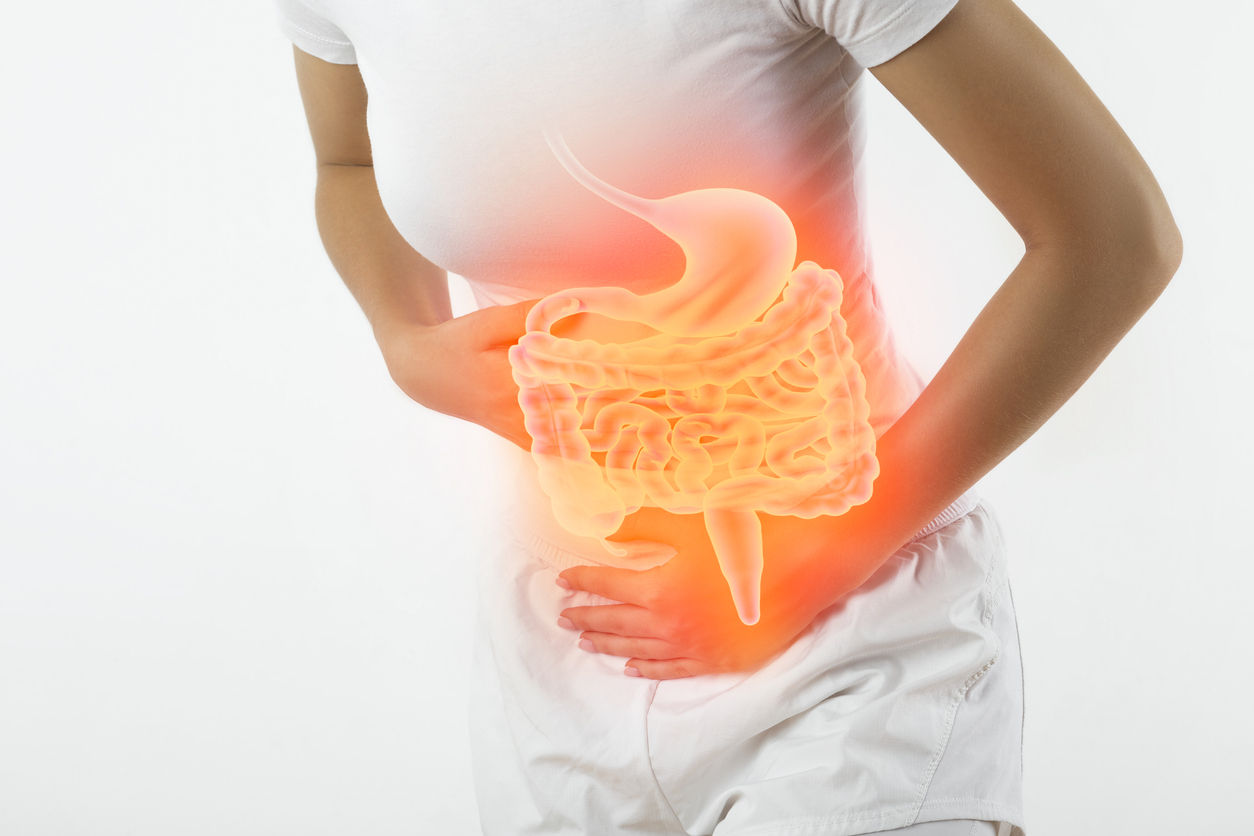
When the gut is inflamed, it's harder to absorb important nutrients, including iron. That's why more than a third of patients with chronic inflammatory diseases also have iron deficiency.
Iron and chronic inflammatory diseases: Crohn's disease
Crohn's disease is a chronic inflammatory bowel disease that often leads to iron deficiency.
Studies show that around 20–40% of patients with Crohn's disease have iron deficiency or iron-deficiency anaemia. Treating it is particularly important, because untreated iron deficiency can make symptoms worse and seriously affect quality of life.¹²
The most common symptoms of iron deficiency
- chronic tiredness, even after enough sleep
- pale skin
- brittle nails
- headaches and dizziness
- concentration problems and irritability
- sensitivity to cold
- hair loss
- in women: worse PMS symptoms or menstrual irregularities
- in athletes: tiring more quickly and taking longer to recover
According to a 2017 study by the University of Zurich, untreated iron deficiency in women can even affect quality of life about as much as mild depression, with symptoms such as restlessness, exhaustion and sleep problems.¹³
What forms of iron are used in supplements?
Ferrous sulfate
The most common form in supplements. It's widely available and has good bioavailability. However, some people are sensitive to it and report stomach and bowel problems.
Ferrous gluconate
It's considered gentler on the stomach. The iron content per capsule is slightly lower, but it's often better tolerated.
Ferrous fumarate
It has a particularly high iron content and is well absorbed by the body. Many people find it a better-tolerated alternative to ferrous sulfate.
Iron(III) hydroxide polymaltose complex
This complex releases iron slowly and in a controlled way, which makes it better tolerated. It usually causes less stomach irritation and is therefore particularly recommended for people with a sensitive stomach.
Iron chelates (e.g. bisglycinate)
These are forms of iron bound to amino acids. Iron chelates are highly bioavailable and particularly gentle on the stomach. Thanks to their high tolerability and effectiveness, they're popular with people who have a sensitive digestive system, although they're usually a little more expensive.
Iron supplements with vitamin C
Vitamin C (ascorbic acid) can improve absorption. That's why many products combine the two.Liposomal iron supplements
In this form, the iron is embedded in tiny liposomes. This shell protects the iron on its way through the stomach and gut, so more of the active ingredient reaches its target. It's particularly suitable for people who otherwise react badly to iron, as the form is both gentle and effective.
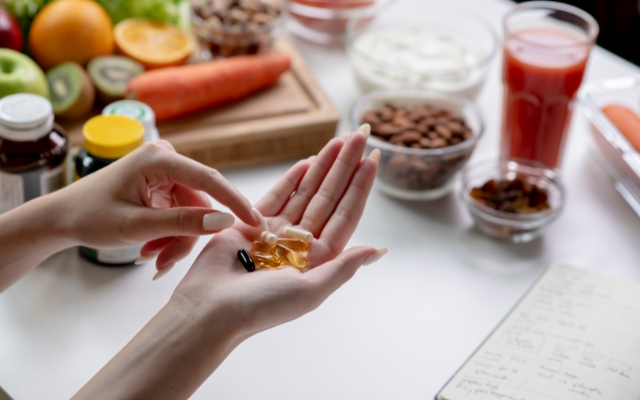
High-quality iron supplements also contain added vitamin C to aid absorption. Other active ingredients, such as B vitamins or vitamin A, make them more effective still.
What to avoid when buying an iron supplement
If you decide to take iron, watch out for the following:
- low bioavailability
- no vitamin C in the formula
- products with too low a dose
- capsules made with gelatine
- fillers and anti-caking agents
- allergens such as lactose, gluten or soya
- unnecessary additives
- products that are not laboratory-tested or not made in the EU
- sugar, alcohol or flavourings
- inflated prices

There are several factors to consider when choosing the right iron supplement.
Dosage forms: how can you take iron?
Iron comes in several forms, so you can choose one to suit your needs and preferences:
- tablets
- capsules
- drops and solutions
- effervescent tablets
- liposomal formulation
Capsules
Pros
Easy to swallow
Practical on the go and when travelling
Easy to dose (each capsule contains the same amount)
No unpleasant taste or smell
Can be combined with other active ingredients
Cons
Stomach acid can affect how well the iron is absorbed
Digestion can partly break down the contents
Bioavailability can vary
The capsule shell may contain gelatine
Often contains additives
Unsuitable for people with swallowing difficulties
With a low dose, several capsules may be needed
Drops
Pros
Easy to dose
Fast absorption (via the mucous membranes)
Good for people with swallowing difficulties or stomach problems
Versatile: can be mixed into drinks or food
Cons
The drops can taste unpleasant
Exact dosing can be difficult, as the number of drops can vary from dose to dose
The liquid can drip or spill
Short shelf life
Liposomal form
Pros
Higher bioavailability
Better absorption by bypassing stomach acid
Lower dose needed for the same effect (usually just 1 capsule)
Can mask the taste of the iron
No additives
Cons
May cost more because manufacturing is more complex
Availability and choice may be limited
Producing liposomes can be difficult and requires specialised technology
Smaller selection, as not all manufacturers use the process
Liposomal iron: optimal absorption and tolerability
Many conventional iron supplements have a weak spot: your body can only absorb part of the iron they contain. In practice, this often leads to very high doses, which in turn frequently cause stomach and bowel problems.
This is exactly where liposomal products come in. The iron is embedded in tiny liposomes: small fat droplets that protect the active ingredient on its way into the cells. Liposomes pass through cell membranes more easily, so the iron and other ingredients are used more efficiently. At the same time, the encapsulation protects the iron from being broken down in the digestive tract, so it can take full effect.
The result: your body can make much better use of the iron. That's why lower doses are often enough, which also reduces the risk of side effects such as stomach and bowel problems.Gentle on the stomach and gut
Liposomal supplements aren't just more effective, they're also particularly well tolerated. Liposomes stop the nutrients from coming into direct contact with the sensitive stomach lining, so they irritate the digestive tract less. This lowers the risk of side effects such as an upset stomach.
These properties make liposomal supplements ideal for people with a sensitive stomach or anyone who reacts badly to conventional supplements.

A simple model of a liposome. A liposome is like a tiny bubble with a fatty layer on the outside and a watery chamber inside. This structure is what makes liposomes so effective, because it lets them transport and release active ingredients selectively. Thanks to this innovative technology, liposomes have become increasingly important in medicine and cosmetics. They allow active ingredients to be absorbed effectively, protect them from being broken down and have a wide range of uses.
Top 3: the best iron supplements of 2026
There are countless iron products on the market today. We analysed them against a range of factors to bring you the best:
How is the supplement formulated?
Are there any study or research results?
How high is the dose of each nutrient?
Does it contain any allergens?
How good is the value for money?
Is there anything special about the formulation or production?
What to look for when choosing an iron supplement
When you buy an iron supplement, it pays to check the following points to make sure it's safe and effective:
1. Form of iron
- Iron bisglycinate is considered particularly well tolerated and highly bioavailable, because your body absorbs it efficiently and it causes fewer stomach and bowel problems.
- Other forms are also available, but some of them are less well absorbed.
2. Absorption and bioavailability
- Liposomal iron can improve absorption further, because the iron is transported directly into the cells and protected from being broken down in the digestive tract.
- Vitamin C significantly increases iron absorption by converting iron into a form your body can use. That's why many supplements combine iron bisglycinate with vitamin C for the best possible effect.
3. Safety
- If you're pregnant or breastfeeding, or have an existing medical condition, talk to your doctor before taking iron.
product review
TESTED
our quality criteria
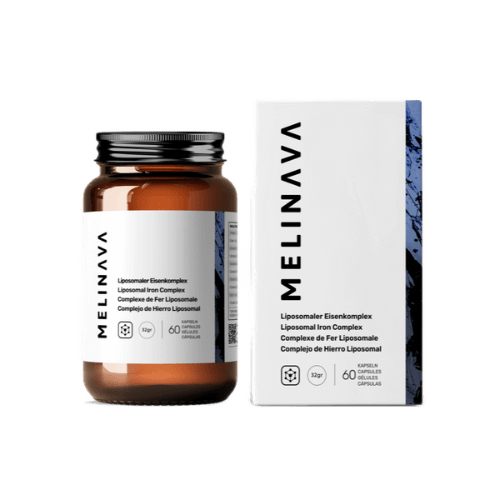
MELINAVA Liposomal Iron Complex
by MELINAVA
Pros
- Optimally dosed to meet daily requirements
- 28 mg iron bisglycinate per daily dose
- Contains vitamin C for particularly high absorption
- Also contains the full vitamin B complex
- Good synergy between the nutrients
- Protection against heartburn thanks to the liposomal coating
- Gentle on the stomach
- Free from soya, gluten and lactose
- Gelatine-free capsule
- No fillers
- No impurities
- Made in Europe (France)
- High-quality glass container that can be reused at home
Cons
- Only available online
- Often sold out
- Only available as capsules
Verdict
Melinava Liposomal Iron Complex has the highest overall score and therefore takes first place in our test.
The complex provides 28 mg of highly bioavailable iron in the form of iron bisglycinate, supported by 64.4 mg of liposomal vitamin C for particularly good absorption.
Thanks to the liposomal encapsulation, bioavailability is greatly increased. This means lower doses are needed to achieve the same effect.
We also like the well-designed formulation, in which many nutrients complement each other well.
The liposome technology also leads to higher customer satisfaction, because the product is gentle on the stomach and therefore better tolerated.
Users report that after taking it regularly they feel noticeably fitter and more energetic. Day-to-day tiredness and exhaustion are significantly reduced. Many customers also comment positively on improved concentration and memory.
MELINAVA sets high safety standards in manufacturing and aims to offer a natural, high-quality product without unnecessary additives.
Melinava Liposomal Iron Complex is taken as two capsules a day with a meal.
Each pack contains 60 capsules.
The manufacturer takes the product's tolerability very seriously, which is why the product is completely free from unwanted additives. You can find more information on the manufacturer's website.
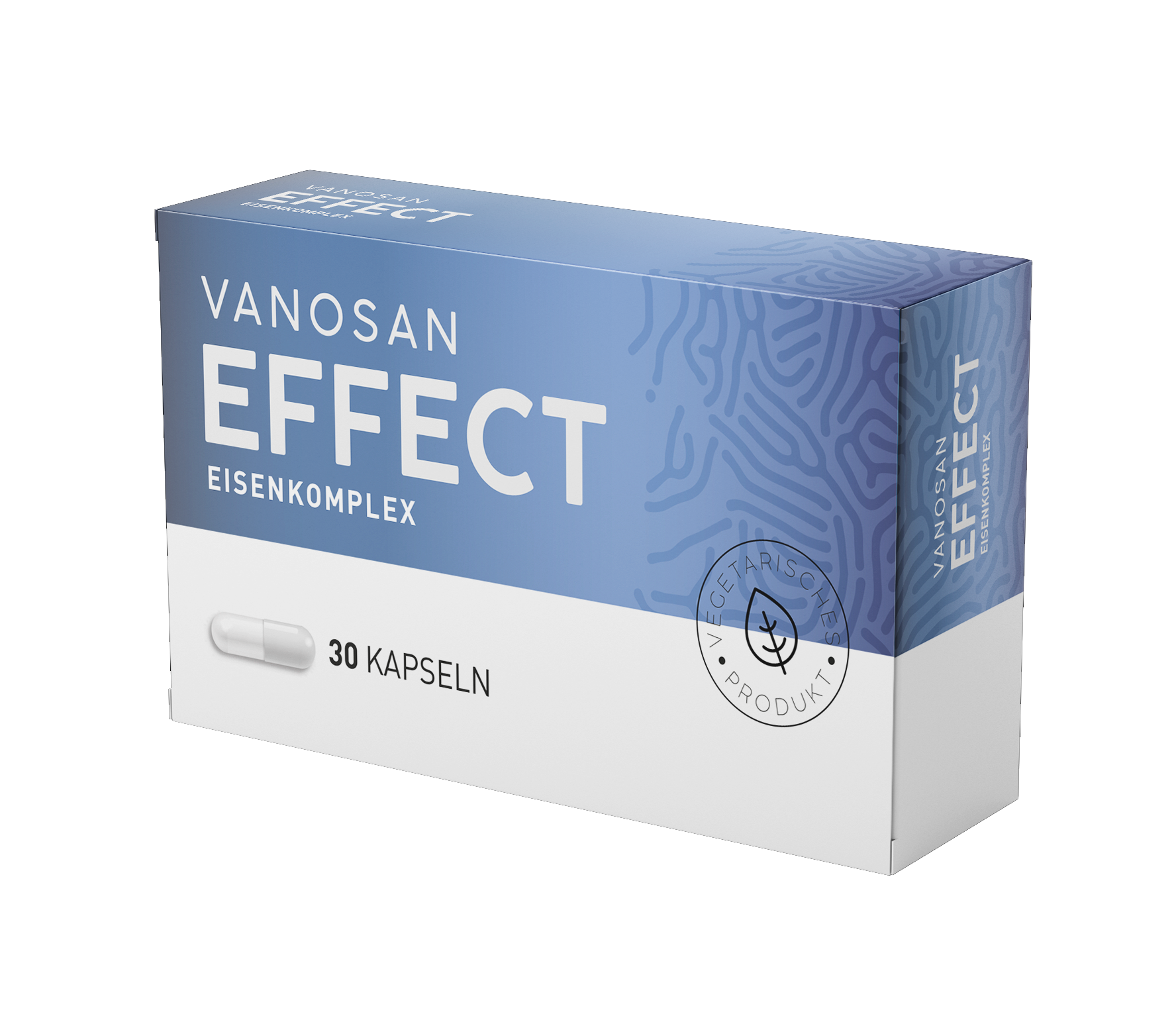
Vanosan Iron + Vitamin C
by VANOSAN
Pros
- Contains ferrous fumarate combined with vitamin C
- 10 mg iron per capsule
- Suitable for vegans
- GMO-free, with no colourings or preservatives
- Laboratory-tested quality from Germany
- No unnecessary additives
- Appropriately dosed to meet daily requirements
Cons
- 3 capsules a day
- Only available online
- Plastic packaging
Verdict
Vanosan Iron + Vitamin C provides a solid everyday dose of important nutrients in a clean, vegan formulation. The quality is high, with no unnecessary additives, making it ideal for users who value natural, pure products.
Compared with our top-ranked product, Melinava, however, Vanosan lacks modern technologies for better absorption, such as liposomal forms or more bioactive variants. In addition, the dose is lower and you need to take three capsules a day.
Even so, Vanosan remains a good choice for health-conscious users looking for a well-tolerated iron supplement with vitamin C that keeps additives to a minimum.
The recommended dose is three capsules a day.
Each pack contains 90 capsules.
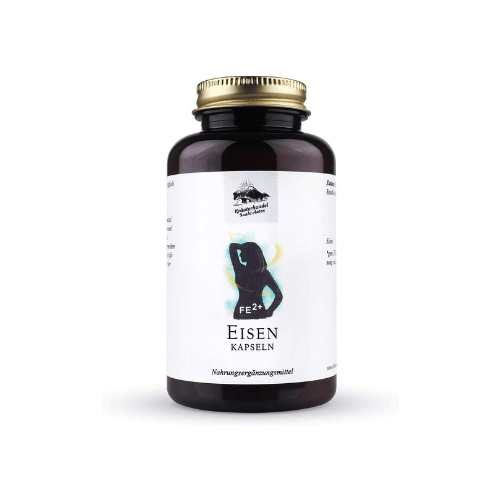
Kräuterhandel Sankt Anton Iron
by KRÄUTERHANDEL SANKT ANTON
Pros
- 20 mg iron
- Gluten-free and lactose-free
- Made in Germany
- Sustainable packaging in a glass bottle
- Long-lasting supply (6 months)
Cons
- 2 capsules a day
- Only available online
- No absorption aids such as vitamin C
- Customers report stomach problems
Verdict
The iron supplement from Kräuterhandel Sankt Anton contains 20 mg of iron per capsule, a comparatively high dose that is often enough for people with severe iron deficiency. However, it is not combined with vitamin C or other substances that could improve iron absorption in the gut. This may limit the product's effectiveness.
Particularly concerning are the many customer reports of stomach and bowel problems and of intolerance. The product seems less suitable for people with a sensitive stomach.
Overall, this is a simple, inexpensive budget option, but because of the tolerability problems it is not ideal for many users. If you have higher needs or a sensitive stomach, there are much better alternatives on the market.
The recommended dose is two capsules a day.
Each pack contains 180 capsules.
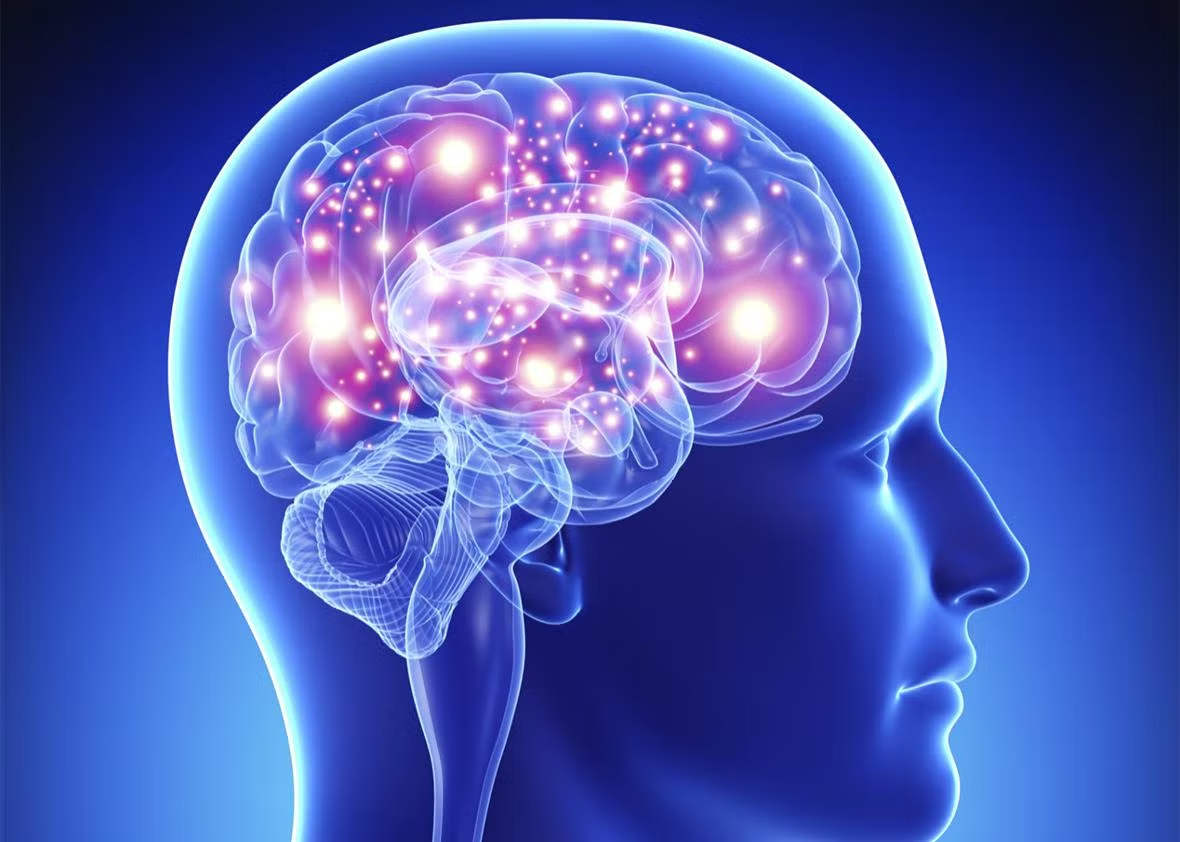
Your brain makes up only about 2% of your body weight but uses almost a quarter of your body's oxygen. If there isn't enough iron in your blood, oxygen can't be transported properly and your brain doesn't get enough.
Performance: iron and your energy levels
Iron is crucial for transporting oxygen in the blood. When there's too little, many people notice it very quickly: tiredness, lack of drive and poorer concentration.
Women, athletes, pregnant women and people on a vegetarian or vegan diet often need more. Making sure you get enough iron can help you regain energy and improve your physical and mental performance.
Blood and circulation: the key to an active life
Iron is part of haemoglobin, the substance that carries oxygen around your body. A deficiency can lead to anaemia and put a strain on your heart and circulation. If you're often pale, have palpitations or get out of breath at the slightest exertion, it's worth having your iron levels checked. Getting enough iron supports healthy blood flow and a stable cardiovascular system.
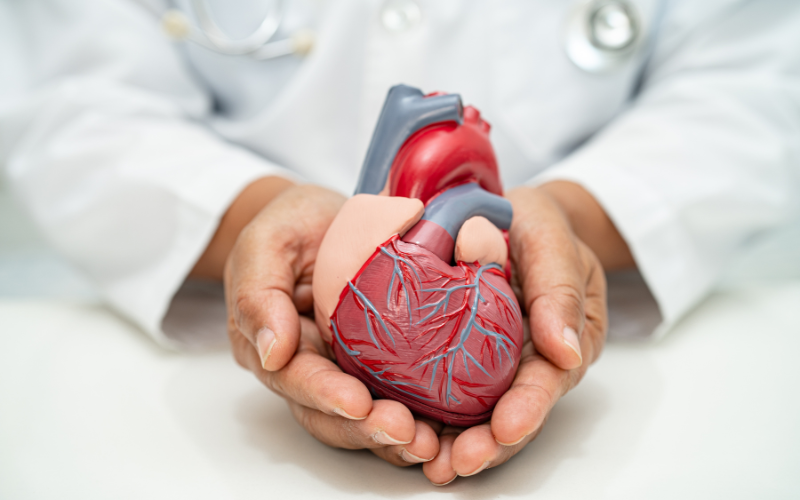
Your heart beats around 100,000 times a day, pumping enough blood to fill a railway tanker wagon. Balanced iron levels are essential to keep your whole body properly supplied.
Concentration: a clear head, better balance
Your brain also depends on a good supply of oxygen. Iron supports mental performance, helps concentration and contributes to the production of important neurotransmitters. It also strengthens the immune system by helping to form immune cells. If you're prone to illness or feel mentally drained, you'll often benefit from getting more iron, for better focus and a strong immune system.¹⁴
Our verdict: the foundation for energy, blood and balance
Iron is one of the minerals that can make the biggest difference to how you feel day to day. It supports basic body functions and helps you feel steady, focused and resilient.
When needs are higher, for example because of periods, intensive sport or a mainly plant-based diet, many people choose to take a supplement.
What matters is a form of iron that's well tolerated and easily absorbed. Combining it with vitamin C and choosing the liposomal form both increase bioavailability, so your body can make particularly good use of it.
Iron is a true 'all-rounder' among minerals, so taking it regularly can quickly make a noticeable difference to your daily life. Take a look at our recommendations and find the right product for your needs.
Several proven iron supplements
* We may earn a commission from some of the companies featured. This is how we keep our comparisons free to read.
Some of these companies are our commercial partners.
Sources
1. https://www.kindergesundheit-info.de/themen/ernaehrung/ausgewogen-essen/spurenelemente/eisen/
2. https://ods.od.nih.gov/factsheets/Iron-Consumer/
3. https://apps.who.int/iris/bitstream/handle/10665/66914/WHO\_NMH\_NHD\_01.3.pdf
4. https://ods.od.nih.gov/factsheets/Iron-HealthProfessional/
5. ibidem
6. https://www.dge.de/wissenschaft/referenzwerte/eisen/
7. https://www.kindergesundheit-info.de/themen/ernaehrung/ausgewogen-essen/spurenelemente/eisen/
9. https://www.frauenaerzte-im-netz.de/aktuelles/meldung/eisenmangel-verursacht-fruehgeburten/
10. ibidem
11. https://apps.who.int/iris/bitstream/handle/10665/66914/WHO\_NMH\_NHD\_01.3.pdf
13. https://pmc.ncbi.nlm.nih.gov/articles/PMC7884603/
14. Mary M. Beard: Iron Deficiency and Cognitive Functioning in Annual Review of Nutrition 2001