
Guide
GABA: the best products compared (2026)
Last updated: 1 August 2026

Written by
Health Tested Editorial Team
When your thoughts won't settle and it's hard to relax, an overactive nervous system is often behind it. GABA, short for gamma-aminobutyric acid, is one of the most important inhibitory chemical messengers in the human brain. Its job is to calm the nervous system.
As you get older, this system often falls out of balance. GABA production can decline, and the effects are noticeable: sleeplessness, restlessness, anxiety. That's why more and more people are turning to GABA supplements to support their bodies naturally.
But the market is confusing: capsules, powders, liposomal forms, combination supplements. The differences in quality are considerable. In this comparison, you'll find out what matters when choosing and which products impressed us in our test.

There are countless GABA supplements on the market, but not all of them are effective.
The calm centre of your nervous system
Everyday life today means being constantly reachable and facing a never-ending flood of information. Many people are also under constant, heavy pressure to perform.
According to recent studies, more than 70% of adults regularly report symptoms of stress or exhaustion. Around 30% have chronic sleep problems.¹
This constant stress has a measurable effect on the nervous system: many people feel constantly on edge even though they're physically exhausted. They find it hard to switch off, struggle to fall asleep and don't feel rested in the morning.
GABA is the most important inhibitory neurotransmitter in the central nervous system. It's the natural counterpart to adrenaline and glutamate, the substances that put the nervous system on high alert.²
The most important inhibitory neurotransmitter
GABA was discovered in 1950, first in plants and later in the human brain. The realisation that it's the main neurotransmitter for inhibiting nerve cells laid the foundation for today's understanding of anxiety, sleep and stress.
Neurotransmitters are chemical messengers that nerve cells use to communicate. Some, such as glutamate and noradrenaline, are 'excitatory'. They make nerve cells fire.
GABA works the other way. It slows activity down, prevents overexcitation and makes room for calm.
GABA is made from the amino acid glutamate and binds to receptors on nerve cells. The cells become calmer, fire fewer signals and the brain changes down a gear.
There are particularly large numbers of these receptors in the hippocampus, the amygdala and the thalamus. These are the areas mainly responsible for anxiety, stress and sleep.³

Thoughts that never stop. Tired, but unable to switch off. For many people, this is everyday life.
GABA and sleep: the natural route to a restful night
Poor sleep is one of the most common health problems today. GABA supports the natural process of falling asleep by dampening brain activity and making the transition from wakefulness to sleep easier.⁴
A clinical study with 40 participants produced interesting results on the link between GABA and sleep quality. When participants took 300 mg of natural GABA before bed, the time it took them to fall asleep was noticeably shorter. At the same time, the proportion of deep sleep increased, and deep sleep is the very phase in which body and mind recover most.
What's particularly interesting is that many participants described their sleep not just as longer or deeper, but above all as 'more restful'. They felt fresher and more balanced the next morning.⁵
Unlike conventional sleeping pills, GABA doesn't cause dependence or morning grogginess.
Combining GABA with other substances such as L-theanine or melatonin strengthens the effects.
Regulating cortisol naturally
GABA's calming effect also extends to something that weighs on many people day to day: stress.
Chronic stress keeps levels of the stress hormone cortisol persistently high. High cortisol in turn inhibits GABA activity. It's a vicious circle that fuels stress sensitivity, sleep problems and emotional instability.⁶
GABA can break this cycle. It has an inhibitory effect on overactive stress systems in the brain and normalises cortisol levels.
Your nervous system regains its balance more easily and your mood lifts.
Several studies show measurable changes in stress markers and long-term calming effects on the nervous system. In one placebo-controlled study, cortisol levels in saliva fell measurably. Over the longer term, study participants reported less inner tension, better sleep and a generally calmer response to everyday pressures.⁷

Your nervous system is under pressure every day. With enough GABA, your brain calms down more easily, without sleeping pills or sedatives.
When GABA may be particularly useful
For age-related sleep problemsSleep changes as you get older. Many people over 60 sleep more lightly, wake up more often during the night and produce less GABA. Taking it in the evening can make it easier to fall asleep and deepen your sleep, without the problems that come with conventional sleeping pills.
For chronic stress and feeling overwhelmedConstant stress wears out the GABA system. If you're permanently under strain, extra GABA makes it easier to find your calm again.
For anxiety and worryWorries about health, money or everyday life weigh on many people. GABA can ease inner tension and help you feel lighter in yourself.
For muscle tension and painGABA has a muscle-relaxing effect. Chronic tension, often caused by stress, can ease. There are also positive reports from people with fibromyalgia.
GABA is considered very safe, with few side effects. If you have very low blood pressure or take sedatives, it's a good idea to speak to your doctor first.
The key benefits of GABA
Taking GABA can offer a range of benefits:
- promoting relaxation and relieving stress
- falling asleep faster and sleeping more deeply
- reducing anxiety symptoms and restlessness
- lowering blood pressure in stressful situations
- stabilising mood during mild depressive moods
- improving concentration thanks to less mental noise
- easing muscle tension
- not habit-forming, with no build-up of tolerance
Oral GABA only reaches the brain with help
For decades, it was taken as fact that GABA can't cross the blood-brain barrier. This highly selective barrier only lets small, fat-soluble molecules into the brain. GABA, however, is relatively large and water-soluble. That's why many conventional GABA supplements have no effect or only a weak one.
There are signs that the blood-brain barrier becomes more permeable in times of stress or inflammation, and in older age. Even so, transport remains limited and unreliable overall.
A way round this very obstacle has now been developed. In modern processes, GABA is packaged in liposomes. These tiny, fat-like vesicles enclose the GABA, making it much easier for it to pass through the blood-brain barrier.
Liposomes also protect the GABA from digestive enzymes and allow targeted release directly in the central nervous system.⁸Signs of GABA deficiency
A deficiency often develops gradually. Many people simply put the symptoms down to stress or age.
- persistent restlessness, nervousness
- difficulty switching off, thoughts going round in circles
- trouble falling asleep despite feeling tired
- oversensitivity to noise and stimuli
- a tendency towards panic attacks or anxiety
- muscle tension, teeth grinding
- irritability, emotional instability
- poor concentration because of restlessness

There are several things to consider when choosing a product.
Dosage and timing: what is recommended?
The ideal dosage depends on what you're taking it for and how sensitive you are. In clinical studies, 100 to 300 mg proved effective for most uses.⁹ It's best to start with a lower dose and increase it gradually if needed.
GABA works relatively quickly. The first effects can often be felt within 30 to 60 minutes. So it's worth timing your dose to match what you need it for.
For sleep problems and trouble falling asleep
- take 30–60 minutes before bed
- recommended dose: 100–300 mg
- for more severe symptoms, increase gradually to 500 mg
For chronic stress and general nervousness
- take in the morning or at midday
- recommended dose: 100–200 mg each time
- on particularly demanding days, up to 300–500 mg a day, split into two to three doses
For anxiety and acutely stressful situations
- take 30–45 minutes before the stressful situation
- recommended dose: 200–300 mg as a single dose
For exercise and recovery
- take in the evening before bed
- recommended dose for sleep quality and recovery: 200–500 mg
What to avoid when buying a GABA supplement
Not every product on the market lives up to its promises. It pays to take a closer look before you buy:
- no information on bioavailability or dosage form
- too low a dose (under 100 mg a day for standard products)
- capsules containing gelatine (not vegan)
- unnecessary fillers, colourings or preservatives
- no proof of purity from independent laboratory testing
- no information on where the active ingredient comes from
Forms of GABA: how can you take it?
GABA supplements come in different forms, which differ considerably in bioavailability and in how they work.
The most common forms are:
- capsules
- tablets
- powder
- liposomal formulations
Each has its advantages and drawbacks. One form clearly stands out, though.
Capsules
Pros
Easy to take: just swallow
Convenient on the go and when travelling
Easy to dose (each capsule contains the same amount)
No unpleasant taste or smell
Can be combined with other active ingredients
Cons
Stomach acid can affect absorption of the active ingredient
Digestion can break down part of the active ingredient
Bioavailability of the active ingredient can vary
The capsule shell may contain gelatine
Often contain additives
Unsuitable for people who have difficulty swallowing
Low-strength products may mean taking several capsules
Drops
Pros
Easy to dose
Fast absorption of the active ingredient (through the mucous membranes)
Good for people with swallowing difficulties or stomach problems
Versatile: can be mixed into drinks or food
Cons
The drops may taste unpleasant
Exact dosing can be difficult because the number of drops varies
The liquid can drip or spill
Short shelf life
Liposomal form
Pros
Higher bioavailability of the active ingredient
Better absorption by bypassing stomach acid
Lower dose needed for the same effect (usually just 1 capsule)
Can mask the taste of the active ingredient
No additives
Cons
May cost more because of the more complex manufacturing process
Availability and choice may be limited
Making liposomes can be difficult and requires specialist technology
Smaller choice, as not all manufacturers use the process
Liposomal GABA: designed for better absorption
The form matters especially with GABA, because without help the active ingredient struggles to cross the blood-brain barrier reliably. Liposomal GABA solves this very problem. The fat-like shell of the liposomes protects the GABA from being broken down by digestive enzymes and allows it to be absorbed directly into the bloodstream.
The result: more GABA gets to where it's needed, the brain. Liposomal products are also gentler on the stomach than conventional capsules, which matters especially if you have a sensitive stomach.

A simple model of a liposome. A liposome is like a tiny bubble with a layer of fat on the outside and a watery chamber inside. This structure makes liposomes particularly effective, because they can transport and release active ingredients selectively. Thanks to this innovative technology, liposomes have become increasingly important in medicine and cosmetics. They help active ingredients to be absorbed, protect them from breakdown and have a wide range of applications.
Top 3: the best GABA products of 2026
There are countless GABA products on the market today. We've assessed them against a range of criteria to find the best:
What is the supplement made of?

Are there study or test results?
How high is the dosage of the nutrient?
Does the product contain allergens?

How good is the value for money?

Are there special features in the composition or manufacturing?
product review
TESTED
our quality criteria
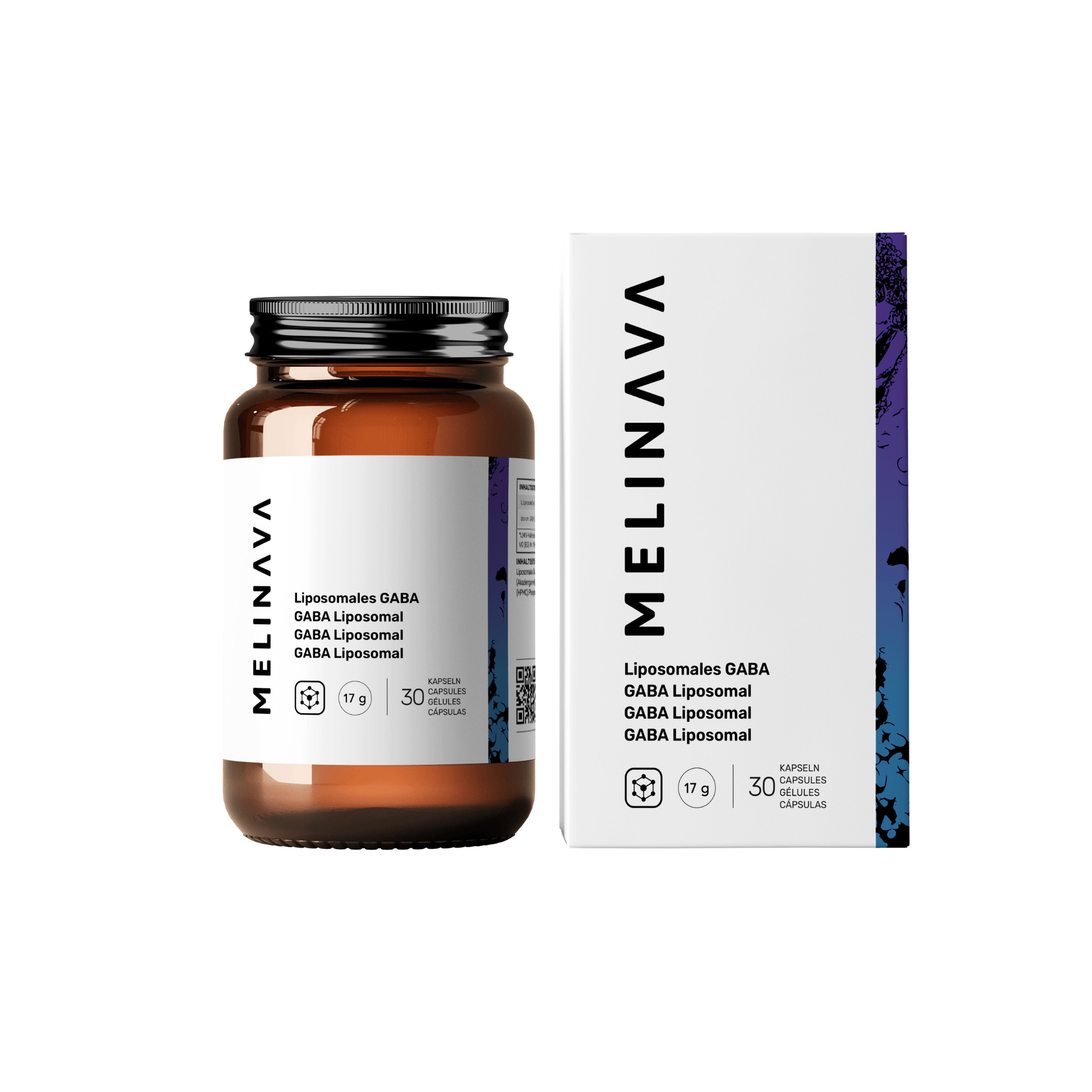
MELINAVA Liposomal GABA
by MELINAVA
Pros
- 400 mg pure GABA per capsule
- Liposomal formulation for maximum bioavailability
- Highly pure amino acid (>99%)
- Free from allergens (gluten-free, lactose-free, soya-free)
- Crosses the blood-brain barrier more easily
- No artificial additives
- Vegan
- Made in Europe (France)
- Laboratory-tested
- Pharmaceutical grade
- 30 capsules for 1 month (1 capsule a day)
- Well tolerated
Cons
- Only available online
- Higher price
Verdict
At 400 mg per capsule, Melinava Liposomal GABA has an ideal dose. The GABA it uses is over 99% pure and completely free from artificial additives.
The liposomal formulation allows better absorption into the bloodstream and makes it easier for the GABA to cross the blood-brain barrier. This means more of the active ingredient reaches the place where it is needed.
Melinava is among the strongest over-the-counter GABA products on the European market.
Users report falling asleep noticeably faster after just a few days. Many also describe a much calmer underlying mood during the day, fewer racing thoughts in the evening and waking up refreshed without grogginess.
For symptoms such as persistent nervousness, stress-related sleep problems and emotional tension, Melinava Liposomal GABA achieved very high satisfaction scores in customer reviews.
For sleep problems, take it 30–60 minutes before bed.
Many users also like the fact that just one capsule a day is enough. Melinava takes first place in our test (as of April 2026). The manufacturer takes the product's tolerability very seriously, which is why it is completely free from unwanted additives.
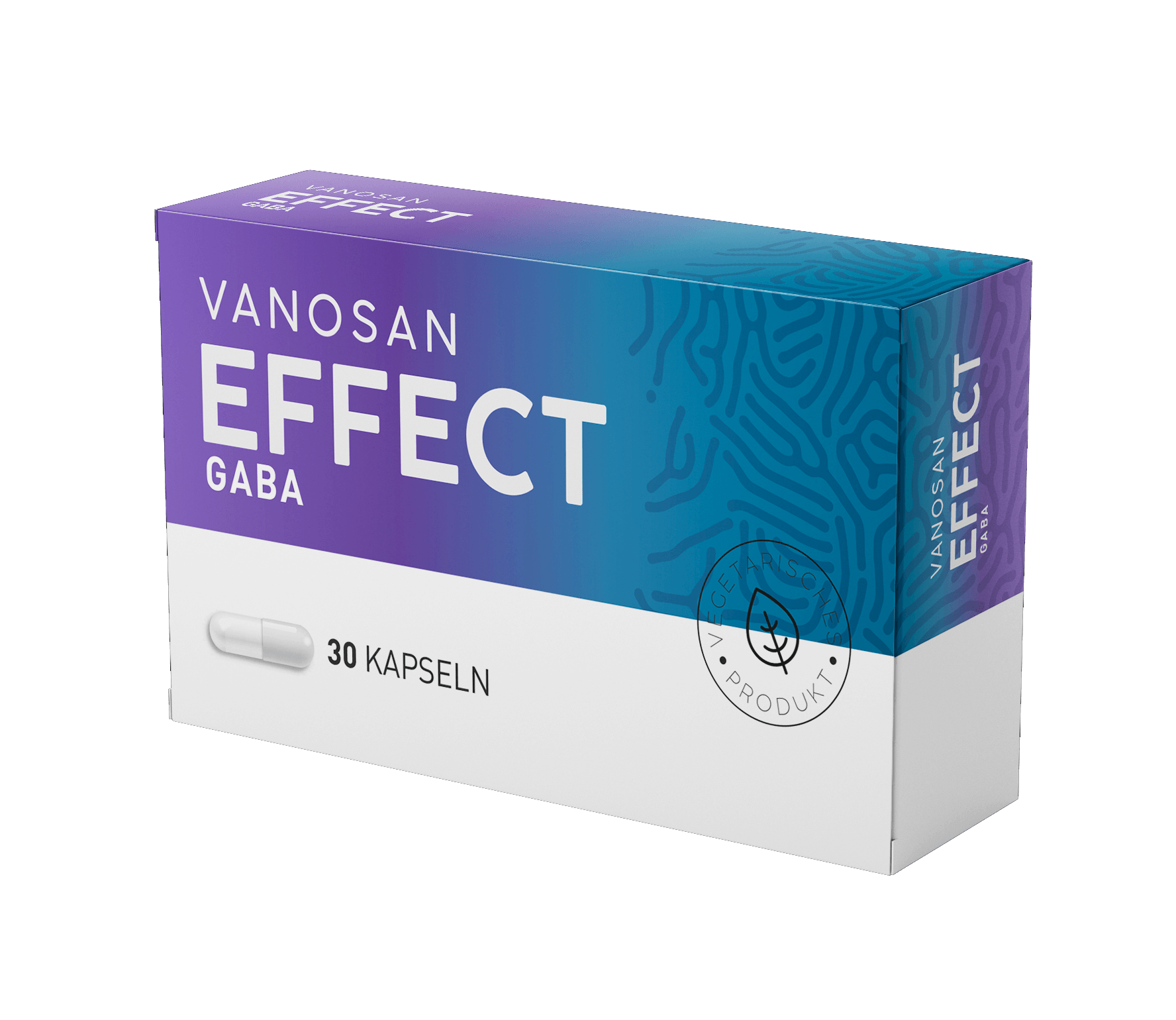
Vanosan GABA
by VANOSAN
Pros
- High-strength, with 500 mg GABA per daily dose
- Pure GABA (>95%)
- Contains vitamin B6 as a synergist
- Vegan, soya-free and gluten-free
- Made in Germany
- No added preservatives
- No added allergens
Cons
- 2 capsules a day recommended
- Only available online
- No liposome technology, so lower bioavailability
Verdict
Vanosan's GABA provides a good 500 mg of GABA per daily dose. The capsules contain GABA that is over 95% pure, plus vitamin B6, which supports the body's natural production of this chemical messenger. Manufacturing in Germany under controlled conditions and laboratory-tested quality are also clear plus points.
The key difference from our winner lies in the dosage form: without a liposomal coating, the GABA goes through normal digestion and can only cross the blood-brain barrier to a limited extent. The amount of GABA actually available is therefore lower than the stated dose suggests.
If you are looking for a good everyday dose and do not have significant sleep or stress problems, Vanosan GABA is still a choice we can recommend, and it offers good value for money.
The recommended amount of Vanosan GABA is 2 capsules a day.
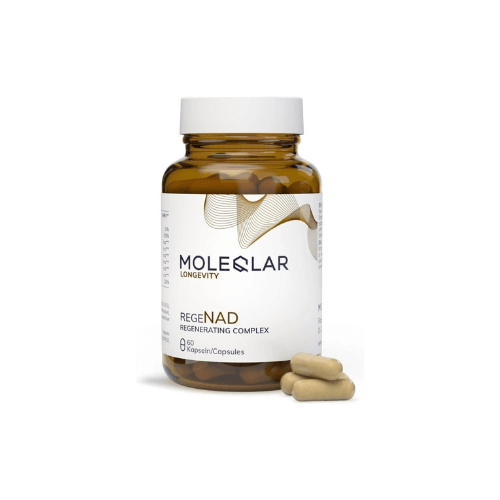
yuicy® Goodbye Stress
by YUICY®
Pros
- Also contains L-theanine and vitamin B6
- One month's supply
- Vegan and sugar-free
- Pleasant forest fruits flavour
- Made in Germany
- Affordable price
Cons
- Only 100 mg GABA per daily dose
- Contains sweeteners and colourings
- No liposome technology to increase effectiveness
Verdict
yuicy is a German brand that sells food supplements as gummies. The Goodbye Stress gummies provide 100 mg per daily dose, well below the doses of Vanosan and Melinava. The low price makes the product accessible as an entry-level option, but for most users this dose is not enough, especially as no technology or synergists are used to increase bioavailability. As a result, only a small proportion of the active ingredient makes it through the blood-brain barrier.
The combination of active ingredients deserves a mention, however: GABA with L-theanine and vitamin B6. L-theanine enhances the relaxing effect, while B6 stimulates the body's natural GABA production.
Users also praise the pleasant forest fruits flavour and how easy the gummies are to take, since you simply chew them. The product is sugar-free and also suitable for vegans and vegetarians, as no gelatine is used. However, the gummies contain sweeteners and colourings. These could be responsible for the mild digestive problems some customers report.
yuicy makes its products in Germany. The daily dose is two gummies, so one pack lasts 30 days.
Sleep: why restful nights change everything
Around a third of all older people have chronic problems falling asleep or staying asleep. The causes vary: changes in sleep patterns, medication, needing the toilet at night, pain, worry. A disrupted GABA system is often behind it too.
GABA is the key chemical messenger for bringing on sleep. It dampens activity in the brain regions that keep you awake, which makes the transition from wakefulness to sleep possible.¹⁰
A GABA supplement can help you fall asleep faster, increase your proportion of deep sleep and make sure you really do wake up rested in the morning, not groggy but clear-headed and refreshed. When you sleep better, you also improve your cognitive performance, your immune system and your emotional stability.
Stress, anxiety and emotional balance
Biologically speaking, modern stress is a permanent state of alarm. The nervous system stays in a state of heightened activation that was originally only meant for brief moments of danger.
The result is chronically raised cortisol levels, which over time put a strain on the nervous system, the immune system and the heart. And age brings new pressures: worries about health and money, losing a partner or friends, declining independence. This is where GABA acts as a natural counterbalance.
It dampens the stress response at a biochemical level and promotes a more balanced mood, without the grogginess of conventional sedatives.GABA can also have a supportive effect on anxiety. For mild to moderate anxiety symptoms, it's considered a gentle, natural option.
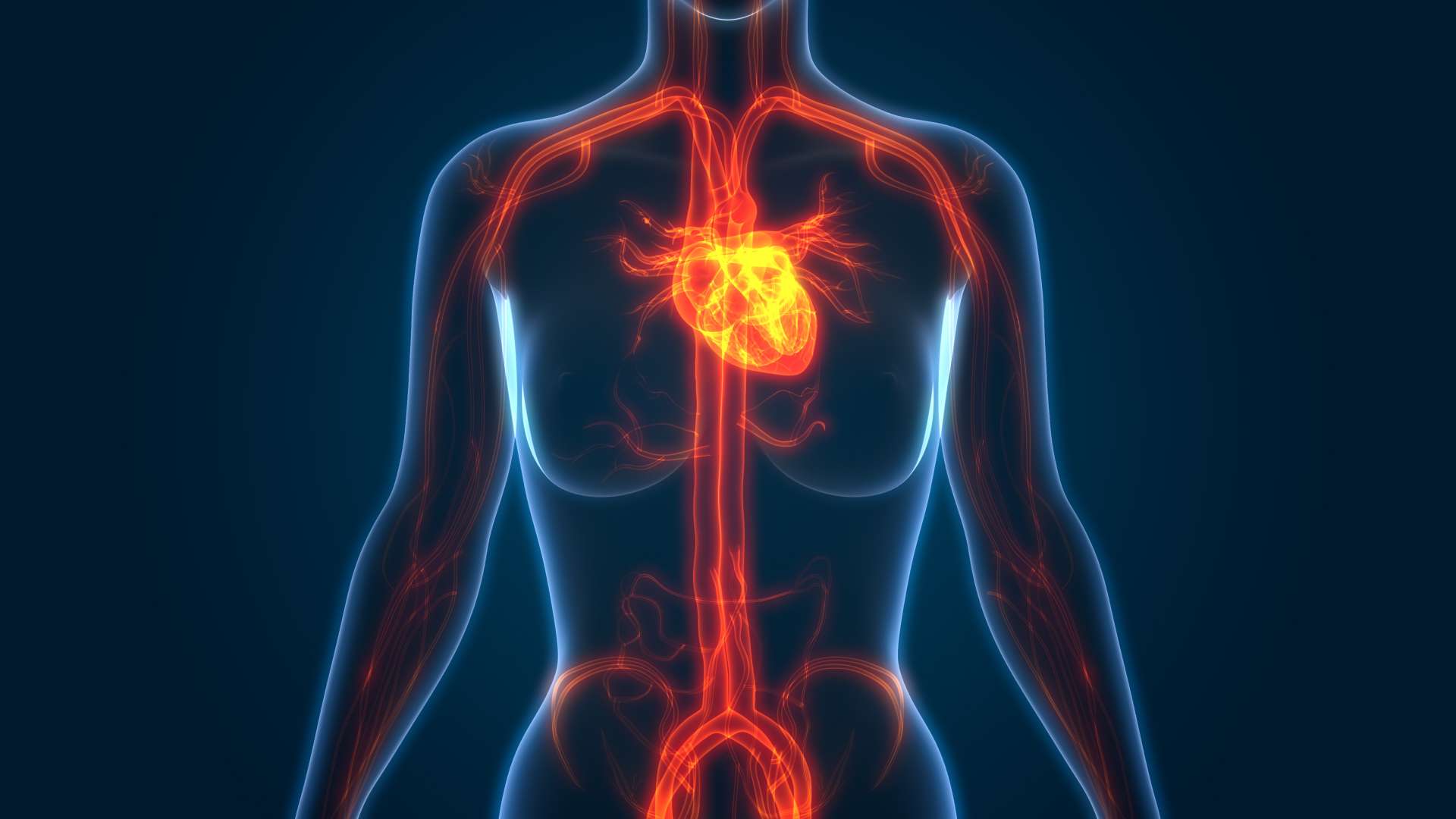
A calm nervous system is the best basis for stable blood pressure and a healthy heart. And this is where GABA comes in.
Blood pressure and the cardiovascular system
High blood pressure is common in later life and is often made worse by stress. The nervous system is chronically overstimulated, the blood vessels stay tense and the pressure rises. GABA can work on two levels here: centrally in the brain and peripherally in the blood vessels.
Several studies have looked at GABA's blood-pressure-lowering effect. In one study of people with mildly raised blood pressure (130–160 mmHg), taking 10–20 mg of GABA a day lowered systolic blood pressure by an average of 10 mmHg and diastolic blood pressure by 5 mmHg. Participants took GABA for at least 12 weeks. Higher doses (100–300 mg of pure GABA) show even stronger effects. The mechanism isn't fully understood, but it may be linked to relaxation of the smooth muscle in the blood vessel walls and the dampening of overactive stress centres in the brain.
GABA is not a substitute for blood pressure medication. But if your readings are borderline high or you have stress-related spikes in blood pressure, it can be a sensible addition.
Our verdict: the gentle path to inner calm
GABA is one of the fundamental biochemical building blocks of your inner balance. As the brain's most important inhibitory neurotransmitter, GABA regulates stress, anxiety, sleep and emotional stability at the deepest physiological level.
And the research is clear: it works. Especially if you have sleep problems, chronic stress or restlessness, a GABA supplement can make a noticeable difference.
It gently and, above all, naturally supports a system that often falls out of balance with age, without the grogginess of synthetic sedatives.
When you choose a product, the dosage form is the deciding factor. GABA can only take effect if it actually reaches the bloodstream and the brain in sufficient amounts. So choose products that stand out for their purity standards, high doses and transparent sourcing and manufacturing.
Tried-and-tested GABA products
* We may earn a commission from some of the companies featured. This is how we keep our comparisons free to read.
Some of these companies are our commercial partners.
Sources
1. Schlafprobleme und Stress in Deutschland – DAK‑Gesundheit Gesundheitsreport (2023–2025), DAK‑Studien zu Schlaf und psychischer Belastung.
2. Watanabe M, Maemura K, Kanbara K, Tamayama T, Hayasaki H. GABA and GABA receptors in the central nervous system and other organs. Int Rev Cytol. 2002.
3. https://pubmed.ncbi.nlm.nih.gov/21889518/
4. Winsky-Sommerer R. Role of GABAA receptors in the physiology and pharmacology of sleep. Eur J Neurosci. 2009.
5. https://pmc.ncbi.nlm.nih.gov/articles/PMC6366437/
6. Bhagya V et al. Neonatal exposure to GABA agonists: long-term effects on adult brain GABA receptors. Exp Neurol. 2005.
7. https://pubmed.ncbi.nlm.nih.gov/22203366/
8. https://www.sciencedirect.com/science/article/abs/pii/S1001841721005945
9. https://www.vitaminexpress.org/de/gaba
10. Winsky-Sommerer R. Role of GABAA receptors in the physiology and pharmacology of sleep. Eur J Neurosci. 2009.