
Guide
Eye supplements: the best products compared (2026)
Last updated: 28 July 2026

Written by
Health Tested Editorial Team
Dry eyes, failing eyesight or a growing tendency to eye problems: it's a familiar story for many people. The cause is everyday strain from screen light, UV radiation and environmental factors. To protect your eyes from this strain, your body needs the right nutrients.¹ With the right combination of vitamins and minerals, it's possible to improve eye health in the long term. That makes a supplement ideal if you want to take active steps to protect your eyes.²
Here you'll find out what a supplement can do for you and what to look for when you buy one. You'll also find a detailed assessment of the best eye supplements to help you choose.

There are countless eye health products on the market, but not all of them are high quality or effective.
Clear vision thanks to key nutrients
Your eyes work flat out every day. To stay healthy, they need the right supply of essential nutrients. Vitamins A, C and E, along with trace elements such as zinc and copper, play an important role in normal vision and may help protect cells from oxidative stress. Lutein and zeaxanthin also support the retina by filtering out harmful blue light.
Because modern diets are often low in these nutrients, a well-chosen supplement may help preserve eye health in the long term.
Benefits of eye supplements
The combination of nutrients in eye health supplements plays a crucial role in protecting the retina and maintaining eyesight. Getting these nutrients regularly is important for improving eye health in the long term.⁵
The key benefits at a glance
Taking the active ingredients regularly may offer many benefits for eye health:
- a stronger retina and macula
- better blood flow to the eyes
- reduced inflammation
- preservation of your eyesight
- protection from environmental factors
- support for the immune system
- support for cell function
Benefits for mental health
A supplement can support more than just your eyes:
- protection from oxidative stress
- relief from mood disorders
- support for cognitive function
- general wellbeing
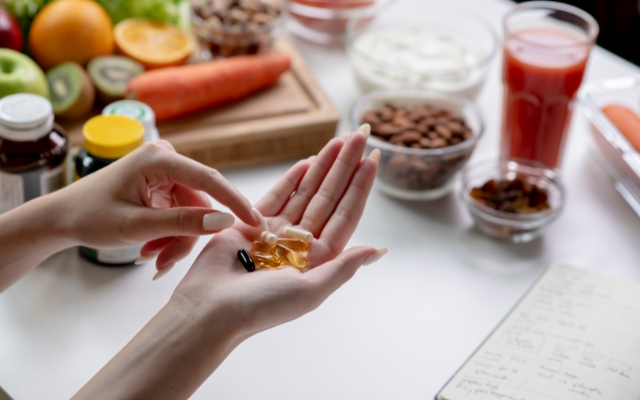
Eye supplement capsules make it easy to get your daily dose of important nutrients for eye health, wherever you are and whenever you like.
How to spot a deficiency early
A deficiency in any of these nutrients can cause the following symptoms:
- DHA: impaired eyesight, reduced retinal function
- lutein and zeaxanthin: increased risk of macular degeneration and other age-related vision problems
- zinc: reduced immune function and poorer wound healing
- vitamins C and E: less protection from oxidative stress, poorer skin health
- vitamin D: weakened immune function and increased risk of inflammation
Who are eye supplements particularly suitable for?
Eye supplements are particularly useful for people who spend a lot of time in front of screens, as the supplements reduce digital eye strain and dryness. Older people benefit from support for the retina and the prevention of age-related vision problems. Contact lens wearers and people with an unbalanced diet can also improve their eye health with essential nutrients such as lutein, zeaxanthin and omega-3.⁶
Athletes and people who are active outdoors get protection from UV radiation and oxidative stress, while people with diabetes can lower their risk of retinal damage. The supplements also help night drivers and people sensitive to glare adjust better to changing light. Over the long term, the specific nutrients they supply contribute to maintaining eyesight and reducing inflammation.

There are several factors to consider when choosing the right food supplement.
Eye supplements on the market
What to look for when buying an eye supplement
If you decide to take a supplement, look for the following:
- high-quality ingredients (lutein, zeaxanthin, DHA, vitamins)
- an optimal dose based on scientific recommendations
- high bioavailability for the best absorption
- no additives or allergens (gluten, lactose, soya)
- light-proof packaging for a longer shelf life
- tested quality (made in Germany or the EU)
When supplements are recommended
High-quality eye supplements combine important vitamins, minerals and antioxidants to support specific aspects of eye health.
Dry eyes
Long hours at a screen, air conditioning or environmental factors can dry out your eyes and make them red. DHA stabilises the tear film and helps keep the surface of the eye moist. Vitamin D also has an anti-inflammatory effect and may help soothe irritated, dry eyes.
Protection from blue light and UV radiation
Daily screen work, watching TV and sunlight put your retina under heavy strain and can cause damage over time. Lutein and zeaxanthin act like a natural filter by absorbing harmful blue light and UV rays. This protects the macula from oxidative stress. These carotenoids are especially important for people who spend a lot of time on digital devices or who want to protect their eyes from the sun.
Maintaining your eyesight as you age
As you get older, the risk of vision problems such as macular degeneration or a loss of visual sharpness increases. Zinc plays an essential role in the function of the visual pigment rhodopsin and supports normal vision. At the same time, vitamins C and E act as powerful antioxidants that neutralise free radicals and prevent cell damage.³
Supporting the retina
The retina is one of the most sensitive tissues in the body and needs a good supply of nutrients to work at its best. Beta-carotene and vitamin A are essential for the photoreceptor cells and play a crucial role in helping your eyes adjust to darkness. DHA and lutein in particular are key to the function of the nerve cells in the eye.⁴
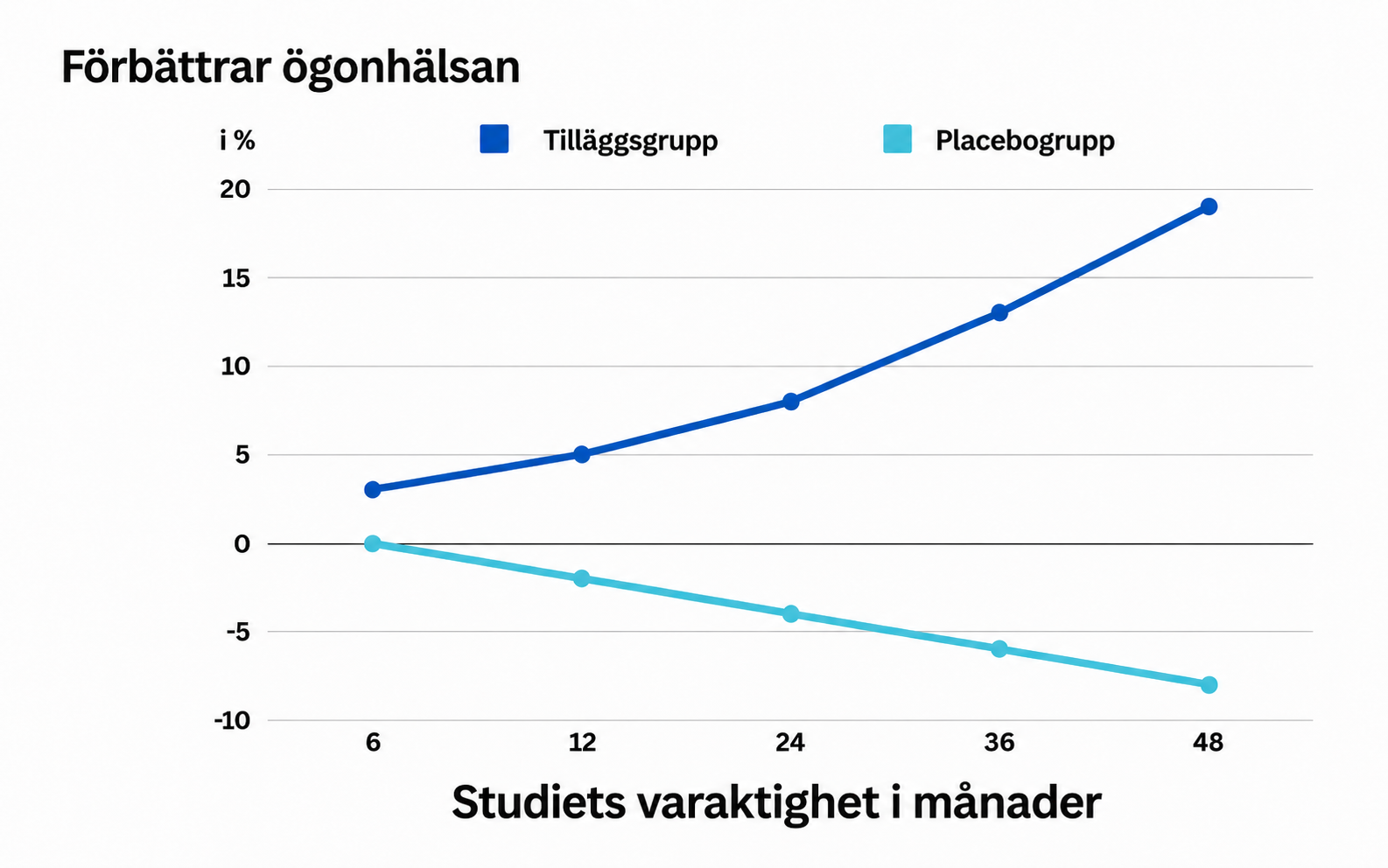
The long-term effect of supplements on eye health can be significant. Studies show that getting the right nutrients can have positive effects, while eye health may deteriorate without supplements.
Our selection criteria
There are now countless eye supplements on the market. That's why we assessed them against several criteria to find the best products for you:
- How is the product formulated?
- Are there any study or test results?
- How high is the dose of the product?
- Does the product contain any allergens?
- How good is the value for money?
- Is there anything special about the formulation or production?
Top 3: the best eye supplements of 2026
product review
TESTED
our quality criteria
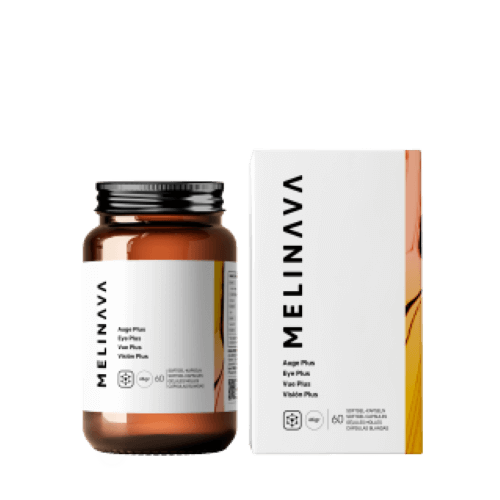
Melinava Eye Plus
by MELINAVA
Pros
- Developed specifically to support eyesight
- Optimal dose: 202 mg omega-3, 15 mg vitamin E and 7.5 mg zinc per capsule
- Free from allergens
- Free from gluten, lactose and soya
- No artificial additives or fillers
- GMO-free
- Made in Europe (France)
- Sustainable, reusable glass packaging
Cons
- Only available online
- Only available as capsules
- Not suitable for vegetarians or vegans (contains fish oil)
Verdict
Melinava Eye Plus stands out for its high-strength formula of essential nutrients for eye health. The combination of lutein, zeaxanthin, DHA, zinc and vitamins C and E helps protect the eyes, reduce oxidative stress and prevent age-related vision problems.
Taken daily, it is particularly beneficial for people who spend a lot of time in front of screens, have dry or irritated eyes, or want to maintain their eyesight in the long term.
Melinava Eye Plus is very well tolerated and free from artificial additives. The high quality of the ingredients and the carefully designed formulation result in very good customer reviews and highly satisfied customers.
The recommended dose of Melinava Eye Plus is two capsules a day. You can also open the capsules and drink the contents dissolved in water.
One pack contains 60 capsules. The manufacturer takes tolerability very seriously, so the product is completely free from undesirable additives.
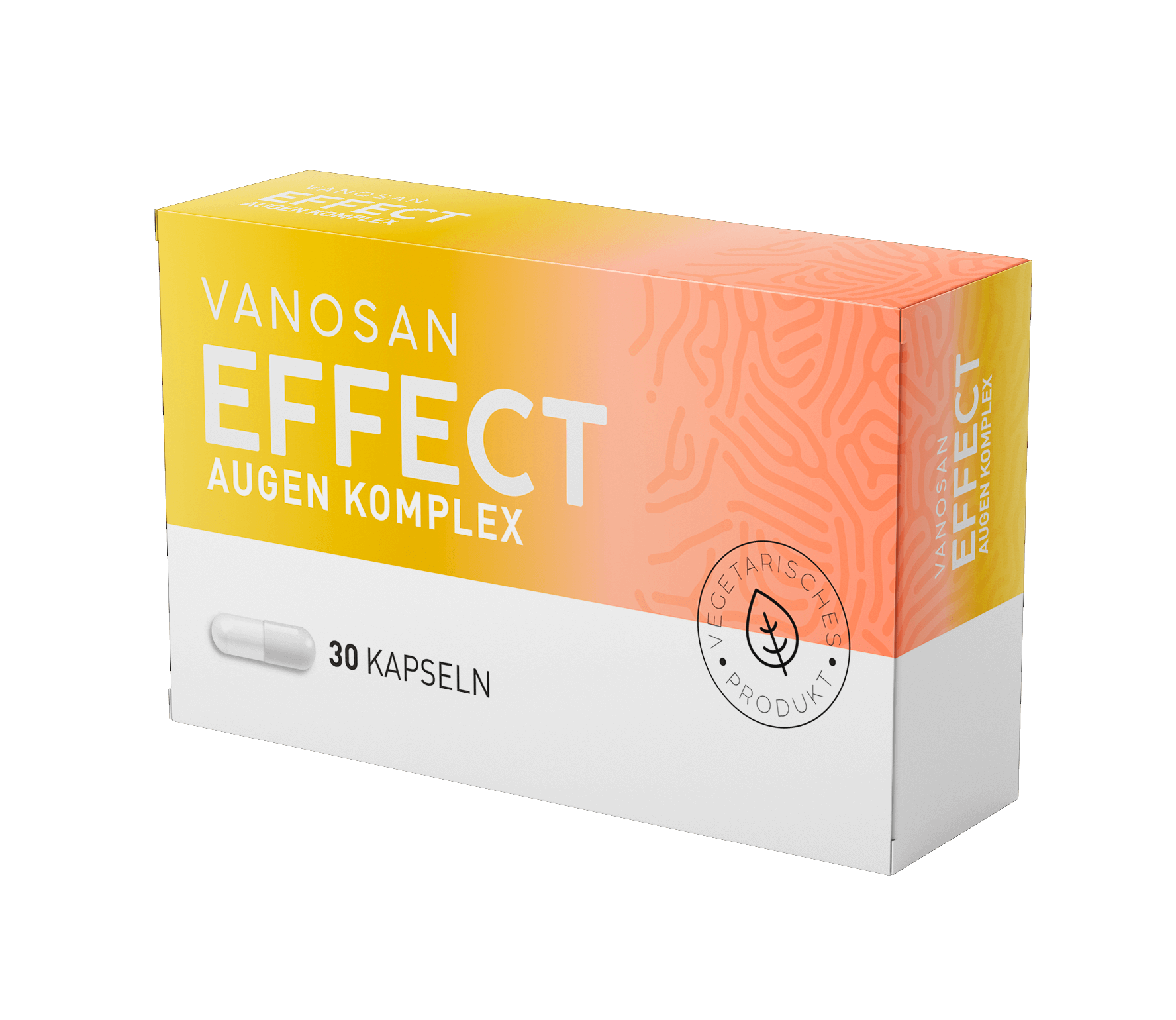
Vanosan Effect Eye Complex
by VANOSAN
Pros
- Recommended dose: 2 capsules a day
- Contains 40 mg lutein and 8 mg zeaxanthin per daily dose
- Natural extracts
- GMO-free
- Vegan and allergen-free
- Laboratory-tested
- Few additives
- Made in Germany
Cons
- Only available online
- Only available as capsules
Verdict
Vanosan Effect Eye Complex capsules offer a solid formulation with 40 mg lutein and 8 mg zeaxanthin per daily dose. Natural extracts of persimmon, carrot, bilberry and marigold round off the formula, which contributes to maintaining eyesight.
There are some drawbacks, however. Although the formula is vegan, it uses no innovative technology to improve absorption. The capsules are also only sold online, which makes them harder to get hold of, and the capsule-only format may be impractical for some users.
The recommended dose is two a day with a meal.
One pack contains 30 capsules.
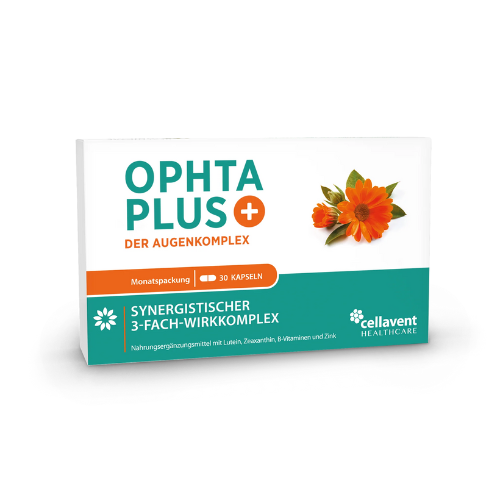
Optha PLUS Eye Complex
by OPTHA
Pros
- Contains 40 mg lutein and 8 mg zeaxanthin per daily dose
- Natural extracts such as calendula
- GMO-free
- Vegan and allergen-free
- Laboratory-tested
- Few additives
Cons
- Only available online
- Only available as capsules
- No reusable packaging
Verdict
These natural eye vitamins with high-dose calendula extract offer a carefully designed formulation to support eyesight. The combination of calendula extract, vitamin A, vitamin B2, beta-carotene and zinc bisglycinate contributes to the maintenance of normal vision. The vegan formula is free from artificial additives and allergens.
Compared with the best products, such as Melinava and Vision Care, this supplement offers a high-quality but somewhat less concentrated combination of nutrients. Users with chronic symptoms often find the effect unsatisfactory.
The recommended dose is one capsule a day.
One pack contains 30 capsules.

Getting enough of the right nutrients is important for strengthening the immune system and reducing the risk of infections and inflammation.
Dry eyes: moisture all day long
Dry eyes are a common problem, especially if you do a lot of screen work or spend time in air-conditioned rooms. When your eyes don't produce enough tears to keep them properly moist, irritation, redness and an unpleasant burning sensation can follow. Supplements with omega-3, vitamin E and zinc support tear production and have a soothing effect on irritated eyes. These nutrients help restore your eyes' natural moisture balance and relieve irritation.
UV damage: protection from environmental factors
Your eyes are constantly exposed to environmental factors such as UV radiation and blue light. UV protection matters most in summer or when you spend long periods outdoors.⁷ Lutein and zeaxanthin act as natural protective filters, screening out harmful light. These antioxidants protect the retina and prevent long-term damage.⁸ They make the eyes more resistant to oxidative stress and may help lower the risk of eye diseases such as macular degeneration.⁹ Getting these nutrients regularly therefore helps protect your eyes from environmental damage.
Age-related vision loss: supporting your eyesight as you age
Eyesight often declines with age, particularly the ability to see close-up detail sharply. This is where nutrients such as vitamin A, beta-carotene and zinc come in. The Age-Related Eye Disease Study (AREDS) showed that taking high-dose antioxidants and zinc every day can reduce vision loss. These nutrients contribute to the maintenance of normal vision and support the function of the macula.¹⁰
Our verdict: clear vision for the years ahead
The right diet and well-chosen supplements are important for supporting and maintaining eye health. Key nutrients such as lutein, zeaxanthin, omega-3 and zinc help with the three most common problems: dry eyes, UV damage and age-related decline in eyesight. Lutein and zeaxanthin filter out harmful light, omega-3 supports the tear film and zinc contributes to normal vision.
Eye supplements combine these essential nutrients in optimal amounts to protect your eyesight in the long term. By taking them regularly, you can give your eyes targeted support and guard against potential damage.
* We may earn a commission from some of the companies featured. This is how we keep our comparisons free to read.
Some of these companies are our commercial partners.
Sources
1. https://www.zentrum-der-gesundheit.de/bibliothek/koerper/augen/naehrstoffe-augen
2. https://www.gelbe-liste.de/ophthalmologie/ernaehrung-augengesundheit-zusammenhang
5. https://pubmed.ncbi.nlm.nih.gov/30231532/
6. https://pubmed.ncbi.nlm.nih.gov/32235501/