
Guide
Copper tested: the best supplements compared (2026)
Last updated: 3 August 2026

Written by
Health Tested Editorial Team
Copper can work wonders in your body: this fascinating mineral is involved in many important processes and keeps everything running smoothly.
From building connective tissue to iron transport, energy production and cell protection, your body needs copper at every turn, and it's also indispensable for the immune and nervous systems.
But copper can do much more for your health.
We explain the benefits of taking copper, how to take it and what to look out for when you buy. You'll also find a detailed overview of the best copper supplements here, to help you make the right choice.

There are countless copper supplements on the market, but not all of them are effective.
Copper: a small mineral with a big impact
Copper is a metallic mineral found in both plant and animal foods. Your body needs copper because it's an important component of enzymes and proteins.
Your body can't make copper itself, so it has to come from your diet. That makes copper one of the essential trace elements, which are vital for life and have many important functions in the body.
Important support for your immune system
Copper is important for a properly functioning immune system that protects you from pathogens. It's involved in making certain substances that help produce energy for your immune cells and protect them from damage.
A copper deficiency can stop the cells of your immune system from working properly. The number of certain immune cells can fall, and the immune system as a whole can be weakened.

Copper is an important mineral for energy production and a strong immune system.
Copper helps protect your cells
Copper helps protect cells from damage caused by free radicals. These aggressive molecules, produced by sunlight, air pollution or your own metabolism, can attack and damage cell structures.
Your body neutralises free radicals with special enzymes, but these only work properly when there's enough copper. In this way, copper strengthens cells and protects genetic material, proteins and cell membranes.
The key benefits at a glance
Getting enough copper regularly can offer many health benefits. Here's a summary of the most important ones:
- important for the nervous system
- supports the immune system
- supports the pigmentation of skin and hair
- contributes to iron transport
- offers cellular protection
- supports connective tissue
- influences the formation of blood cells
Healthy copper levels are crucial
Signs of copper deficiency
Copper deficiency often affects many different body functions, so its symptoms are easily mistaken for those of other deficiencies or illnesses:
- tiredness
- anaemia and a reduced white blood cell count
- irritability and confusion
- depression
- muscle weakness and coordination problems
- abnormal bone development and osteoporosis (bone loss)
- reduced pigmentation of skin and hair (paler skin, lighter hair)
A copper deficiency can have several causes
If you get too little copper over a long period, a deficiency can develop. This can lead to a lower white blood cell count, which in turn weakens the immune system. It can also cause bone problems such as osteoporosis (reduced bone density) and nerve damage.
The most common causes of copper deficiency
Conditions that impair nutrient absorption, e.g. Crohn's disease (a chronic inflammatory bowel condition), coeliac disease (gluten intolerance) or cystic fibrosis (a congenital metabolic disorder).
Menkes syndrome. A congenital disorder in which the body can't absorb copper properly.
Stomach surgery. Operations such as a gastric bypass can make it harder for the gut to absorb copper.
Pregnancy. Copper requirements rise during pregnancy, and a deficiency can develop if they aren't met.
Certain medicines.
Malnutrition, especially in children.
Long-term intravenous feeding without enough copper.
Insufficient copper stores in premature babies.

A lack of copper can weaken connective tissue, because copper matters for the stability of collagen and elastin fibres. This can slow wound healing, make injuries more likely and make cellulite more visible.
How much copper do you need?
According to the German Nutrition Society (DGE), teenagers from the age of 15 and adults need around 1.0–1.5 milligrams (mg) of copper a day. Animal foods high in copper are mainly offal such as liver and kidneys, but also some cheeses. Plant foods rich in copper include cocoa, nuts, oilseeds (such as sunflower seeds), wheatgerm, wheat bran and pulses.
Maximum copper intake according to EFSA
The maximum daily intake of a nutrient that's considered safe is called the Tolerable Upper Intake Level (UL). This is the dose that won't harm your health, even when taken over a long period. For adults, the European Food Safety Authority (EFSA) has set the UL at 5 mg of copper a day. Because body weight plays a role, the UL for children and teenagers aged 11 to 18 is lower, at 4 mg a day.
Not all copper is the same: there are big differences between supplements
What to avoid when buying a copper supplement
If you decide to take a copper supplement, avoid the following:
- low bioavailability
- gelatine capsules
- fillers and anti-caking agents
- common allergens (lactose, gluten, soya)
- unnecessary additives
- sugar, alcohol or flavourings
- unrealistic prices

There are several factors to consider when choosing the right copper supplement.
Dosage forms: how can you take copper?
Copper is available in various forms, mainly as a food supplement in tablets and capsules.
The most popular forms of copper
- tablets
- capsules
- copper in liposomal form
A new form is liposomal copper, which stands out for its high bioavailability and better tolerability.
To make your decision easier, we've summarised the pros and cons of each option:
Tablets
Pros
Easy to swallow
Practical when travelling and on the go
Easy to dose (consistent active ingredient content)
Tablets are generally cheaper than capsules
Cons
Stomach acid can affect absorption of the active ingredient
Digestion can partly break down the active ingredient
Often contain additives and a lot of fillers
Low-strength products may mean taking several tablets
Capsules
Pros
Easy to swallow
Practical when travelling and on the go
Easy to dose (consistent active ingredient content)
No unpleasant taste or smell
Can be combined with other active ingredients
Fewer fillers than tablets
Cons
Sometimes larger than tablets
Digestion can partly break down the active ingredient
The bioavailability of the active ingredient can vary
The capsule shell may contain gelatine
Unsuitable for people with swallowing difficulties
Low-strength products may mean taking several capsules
Liposomal form
Pros
Easy to take in capsule form
Maximum bioavailability of the active ingredient
Better absorption (thanks to protection from stomach acid)
Lower dose needed for the same effect
Can mask the taste of the active ingredient
No additives
Fewer side effects
Cons
May cost more because manufacturing is more complex
Producing liposomes can be difficult and requires specialised technology
Smaller selection, as not all manufacturers can use the method
Liposomal copper: better absorption with fewer side effects
Your body often doesn't absorb copper well, because in food and supplements it's bound to certain substances that can hinder its absorption in the gut.
Another reason is that copper often competes with other minerals, such as zinc or iron, for absorption, which can reduce its bioavailability. An unbalanced ratio of copper to other nutrients can also make absorption less efficient.
Liposomal encapsulation offers a solution to these problems: the copper is enclosed in tiny fat globules called liposomes. These liposomes pass through cell membranes more easily, so the copper reaches the bloodstream more effectively and is absorbed better by the cells. This means a much lower dose of the active ingredient is needed.
This method increases the bioavailability of copper, which is especially useful for people with increased needs or limited copper absorption. It ensures your body can make full use of the nutrient. Liposomes also avoid the problem of minerals blocking each other's absorption when you take, for example, copper together with zinc or iron.
What's more, liposome technology uses no additives such as gelatine, coatings, binders, fillers, sugar, colourings or flavourings.
Because they measure just nanometres across and are rich in fats, liposomes protect the copper from being broken down by enzymes, such as those in saliva and gastric juice. They also release the copper directly into the bloodstream, which significantly improves absorption.
More benefits: longer-lasting effect and better tolerability
Conventional copper is absorbed quickly after you take it, peaks in the blood within a few hours and is then rapidly broken down.
Thanks to innovative liposome technology, copper in liposomal form can stay active in the bloodstream for longer, providing a more sustained supply: ideal for people who get only small amounts of copper from their diet.
What's more, copper in liposomal form is particularly well tolerated. While conventional supplements can cause mild stomach upset in some people, the protective lipid coating of liposomal products significantly reduces the risk of such side effects.

A simple model of a liposome, with a fatty outer layer and a watery core. Liposomes are an innovative technology for releasing active ingredients precisely and effectively. They have become firmly established in medicine and cosmetics, where they have a wide range of uses.
Top 3: the best copper supplements of 2026
There are countless copper products on the market today. We've assessed them against the following criteria to find the best:
How is the product formulated?
Are there any study or research results?
How high is the copper dose?
Does it contain any allergens?
How good is the value for money?
Is there anything special about the formulation or production?
product review
TESTED
our quality criteria
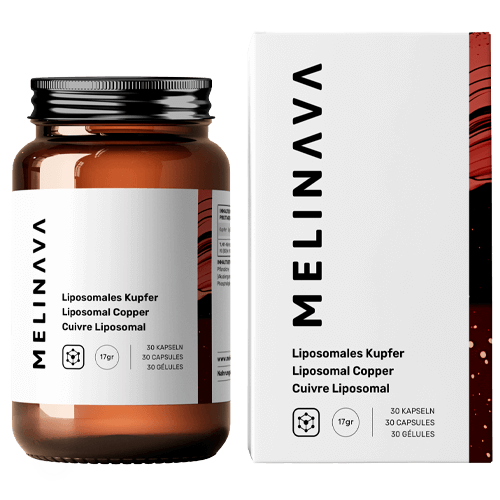
MELINAVA Liposomal Copper
by MELINAVA
Pros
- Ideal dose: 2 mg (liposomal)
- Made with copper bisglycinate, which the body uses and tolerates better
- Maximum bioavailability thanks to liposome technology (up to 64 times higher absorption)
- Protection against excess stomach acid thanks to the liposomal coating
- Longer-lasting effect
- Fewer side effects
- Suitable for people with a sensitive stomach
- Free from soya, gluten and lactose
- Gelatine-free capsule
- No fillers
- Free from contaminants
- Made in Europe (France)
- Comes in a high-quality glass bottle that you can reuse at home, e.g. for spices
Cons
- Only available online
- Often sold out
- Only available as capsules
Verdict
Melinava Liposomal Copper received the highest overall score and is the winner of our test. The product contains copper bisglycinate, the form the body can use best, in an ideal dose of 2 mg.
Copper bisglycinate already has high bioavailability, which the liposomal form increases even further.
This means you need less of the active ingredient, yet it works better. That makes it ideal for anyone who wants to correct a copper deficiency quickly.
The liposome technology also adds to customer satisfaction, as it is gentle on the stomach and so reduces the risk of side effects.
Melinava concentrates on effective products made from 100% pure, top-quality ingredients, and its positive customer feedback bears this out.
User satisfaction and the many positive comments about Melinava Copper reflect the quality of this product.
Melinava Liposomal Copper has already been used with excellent results for problems such as lack of energy, weak connective tissue or a weakened immune system. Users also report a noticeable improvement in their general wellbeing and a positive effect at times of stress.
You only need to take one capsule of Melinava Liposomal Copper a day.
One pack contains 30 capsules.
Melinava takes first place in our test (as of January 2026). The manufacturer takes the product's tolerability very seriously, which is why it is completely free from unwanted additives. You can find more information on the manufacturer's website.
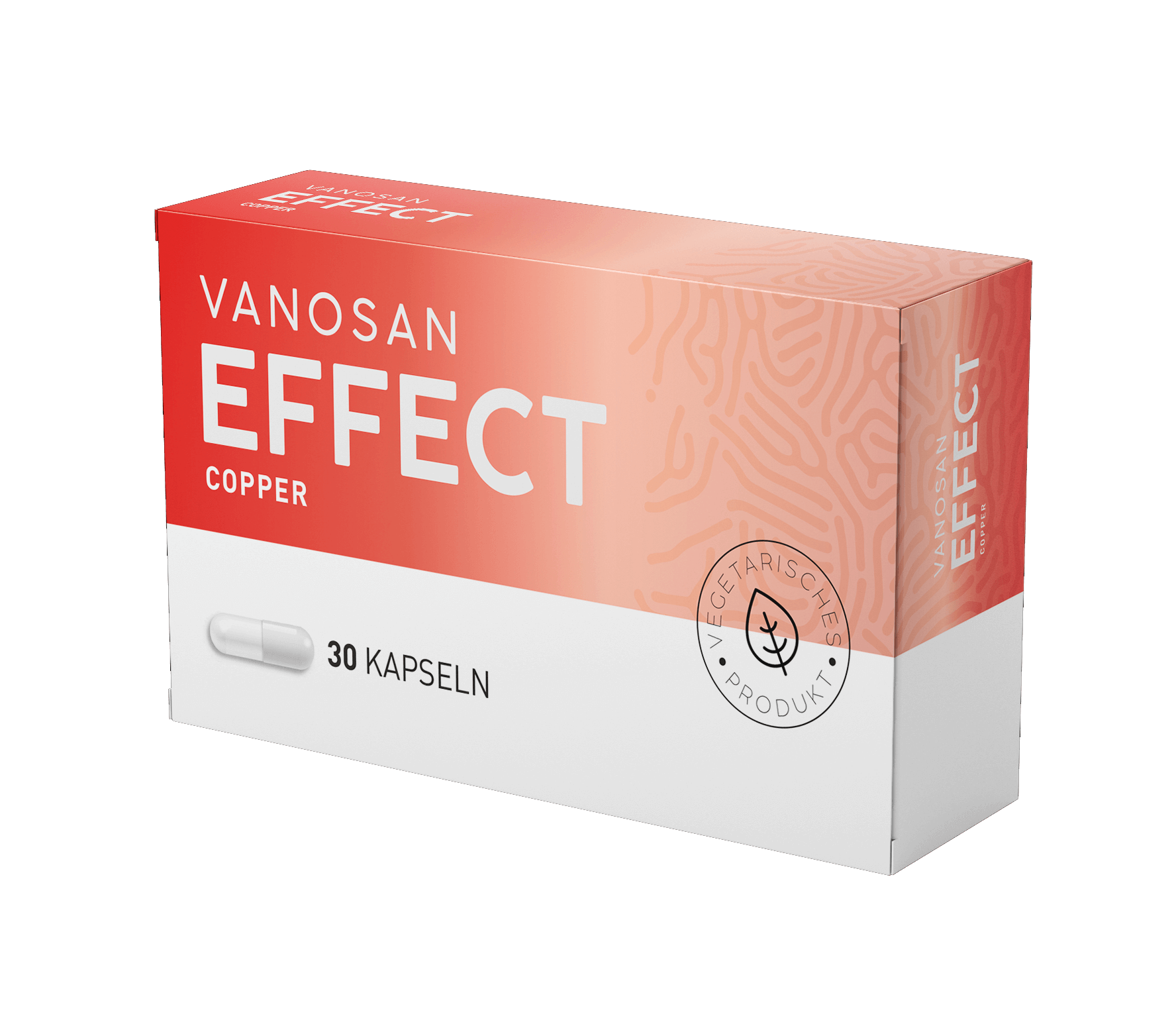
Vanosan Copper
by VANOSAN
Pros
- 1.5 mg copper
- Free from soya and gluten
- Vegetarian
- Laboratory-tested
- Few additives
- Made in Germany
Cons
- Contains preservatives
- Only available online
- No enhanced bioavailability
Verdict
Vanosan Copper is well dosed, with 1.5 mg of copper per daily dose. However, the copper it contains is copper gluconate, which is not easily absorbed and has no protection against digestion.
Users are positive about Vanosan Copper, and many have seen a positive effect on their macronutrient metabolism. Some customers point out, though, that Vanosan is less well tolerated on an empty stomach, so it should be taken with a meal.
Some users also criticise the dose as too low and say the copper is not in a highly bioavailable form, which could limit its effect.
It is made in Europe and is usually dispatched within 1–3 working days.
Take one capsule a day with a meal.
One pack contains 30 capsules.
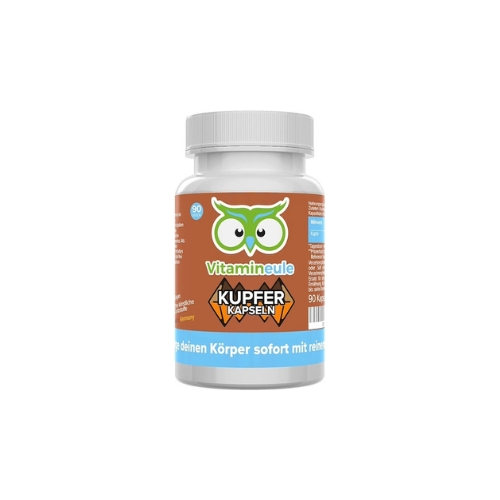
Vitamineule Copper Capsules
by VITAMINEULE
Pros
- Affordable price
- The capsules can be opened and the powder dissolved in water or juice
- Vegan
- Contains no harmful substances
- Laboratory-tested
- Few additives
- Made in Germany
Cons
- Dose too low for a copper deficiency
- No enhanced bioavailability
- Some customers report little or no effect
- Only available online
- Must be taken with meals
Verdict
Vitamineule capsules contain 4 mg of copper per capsule, or 2 mg per daily dose. You take one capsule every two days.
The product stands out above all as one of the few whose capsules you can open to dissolve the powder in liquid. This makes it suitable for customers with swallowing difficulties and for children too. Many customers also like the low price.
However, the copper gluconate it contains is not particularly well absorbed, and the copper has no protection against digestion, which can lead to side effects. Even so, most customers report that it is well tolerated.
Overall, most customers are happy with the capsules. Some, though, complain that the effect is very weak and in some cases not noticeable at all.
The capsules should only be taken once every two days, so the daily dose is 2 mg.
Delivery is free with Amazon Prime and usually takes 1–2 working days.
Copper deficiency can lead to premature greying
A lack of copper can cause grey hair in young people, because copper is important for making melanin, the pigment that gives skin, hair and eyes their colour. Copper also protects tissue from damage caused by UV radiation.
To produce melanin, your body needs a special enzyme called tyrosinase, which contains copper. Without copper, this enzyme can't be formed, and without tyrosinase, melanin production isn't possible. When melanin is missing, hair turns grey or white.
An Iranian study from 2012 looked at whether there's a link between copper deficiency and premature greying in young people under 20. The participants with grey hair were found to have lower copper levels in their blood than their peers with normally pigmented hair. Interestingly, the participants with grey hair tended to have higher iron levels. This suggests that excess iron may affect copper balance and so indirectly contribute to premature greying.

Premature greying: a possible result of copper deficiency, which can interfere with melanin production. Without enough melanin, hair loses its colour and turns grey or white.
Healthier skin and an anti-ageing effect
Copper is important for the formation of collagen and elastin, two substances that give skin its firmness and elasticity. When your body produces more collagen, fine lines and wrinkles can be reduced and your skin stays firmer.
Copper also helps skin heal wounds by stimulating the formation of new blood vessels and promoting collagen production. That's why it can also improve the appearance of scars. Copper helps your body neutralise harmful substances that can age the skin. In this way, it helps keep skin looking youthful and reduce the appearance of wrinkles and blemishes.

Radiant skin thanks to copper: this mineral supports collagen formation and wound healing and helps reduce fine lines and wrinkles.
Our verdict: copper helps your body in many ways
Of course, you shouldn't take high doses of copper, or take it for long periods, without talking to your doctor first. But did you know that copper plays a central role not only in energy metabolism but also in collagen metabolism, in brain and nervous system function and in strengthening the immune system? Copper is also involved in the pigmentation of skin and hair and supports iron metabolism, oxygen transport and energy production.
Your need for copper can rise, especially during pregnancy, with intensive exercise or chronic stress, or when you take certain medicines that can impair the absorption or use of copper.
So copper can support your health in many ways. Take a look at our product recommendations and find the supplement that suits your individual needs.
Copper supplements put to the test
* We may earn a commission from some of the companies featured. This is how we keep our comparisons free to read.
Some of these companies are our commercial partners.
Sources
1. https://pmc.ncbi.nlm.nih.gov/articles/PMC9491342/
2. https://pubmed.ncbi.nlm.nih.gov/22938003/
3. https://www.efsa.europa.eu/en/news/total-copper-intakes-below-new-safe-level