
Guide
Stop nails splitting and breaking with high-dose biotin (2026)
Last updated: 28 July 2026

Written by
Health Tested Editorial Team
Do you struggle with brittle nails, splitting or unsightly vertical ridges? Biotin (vitamin B7) is the key building block for making keratin, the material that gives your nails their strength.
Find out which supplements can support nail structure from within, and when changes to your nails are best checked by a dermatologist.

There are countless biotin products out there: we show you which offer the best bioavailability to support the health of your hair.
Biotin: the driving force behind the nail matrix
Fingernails grow only about 3 mm a month, so regeneration takes patience. Biotin supports keratinisation in the nail root, so the nail that grows back is firmer and less likely to tear.
Patience is the most important ingredient for strong nails. Because biotin rebuilds the structure from the root, the first visible changes usually appear after 4 to 8 weeks of taking it consistently. But because a fingernail grows only about 3 mm a month, the full effect of a course of biotin, a nail that's hardened all the way through and no longer splits, usually shows after 3 to 6 months. If you stick with it, you're rewarded with nails that don't just look healthy but also stand up to everyday wear and tear with ease.
Important: sudden discolouration or marked changes in the shape of your nails can point to an underlying condition elsewhere in the body. In that case biotin is a sensible addition, but you should only take it after talking to a dermatologist or podiatrist.
Biotin, the beauty vitamin
Biotin's best-known effect is probably its contribution to the strength of the nail plate. It supports keratinisation, which makes the nail that grows back more resistant to outside stresses.
EFSA confirms its positive effect on maintaining normal nails, and biotin is used with particular success for splitting fingernails and annoying vertical ridges, to smooth the surface of the nail.
Good to know: biotin improves the quality of the nail that grows back, right from the root. It can't, however, 'glue together' damage that's already there. If your nails are extremely brittle, discoloured or lifting away, a visit to a dermatologist is a good idea, to rule out medical causes such as a fungal nail infection or a metabolic disorder.
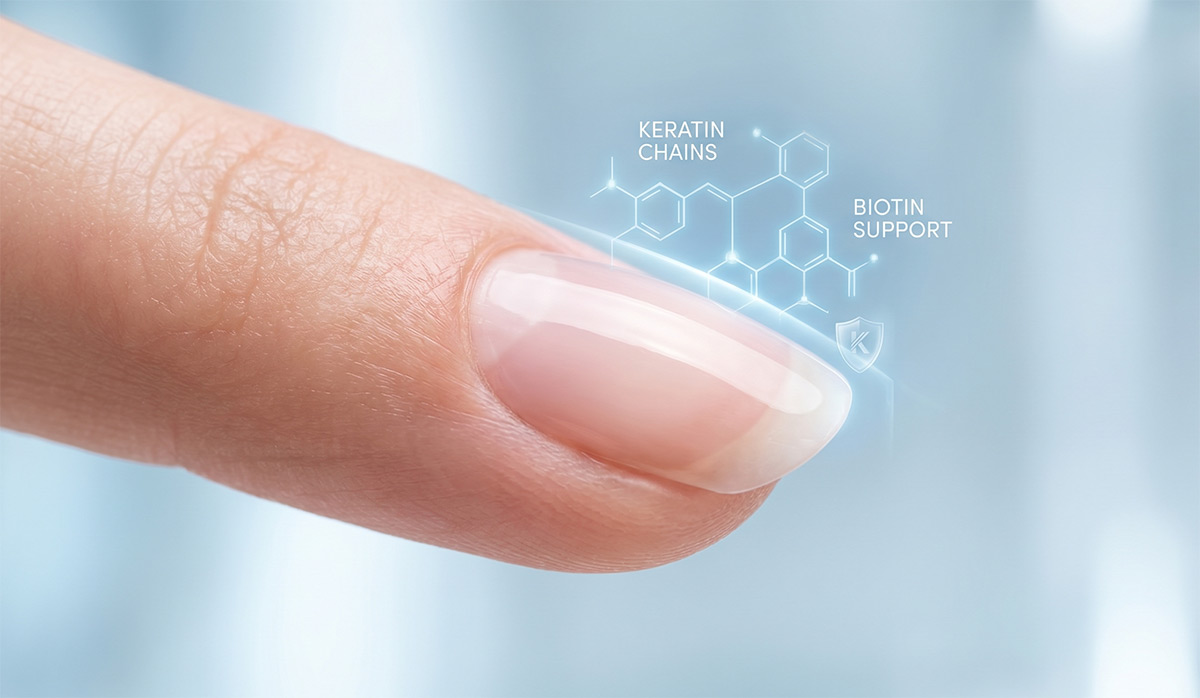
Biotin is an essential partner in regenerating the nail root. A well-chosen supplement can strengthen the nails' barrier function, but for chronic problems it doesn't replace a professional assessment by a specialist.
The key benefits at a glance
Taking biotin regularly can bring many health benefits. These are the most important:
- maximising nail hardness
- smoothing the surface of the nail
- preventing split nails
- supporting nail growth
- maintaining healthy skin and hair
What the right biotin supplement can do
Taking the right biotin supplement can give you:
- less splitting: strengthens the keratin layers so your nails no longer peel apart
- more resistance to tearing: makes the nail plate firmer and more flexible
- a scientific answer to deficiency: tops up your biotin stores, as a lack of biotin is the most common cause of brittle nails
Healthy biotin levels are crucial: how to spot the first signs of a deficiency
Signs of a biotin deficiency
Biotin is the key to a resilient keratin structure. If your nails become brittle, split into layers or feel unusually soft, it's often a sign that the nail root isn't getting enough. This is exactly where our high-dose biotin course comes in: it strengthens your nails from within, so they can finally grow back firm and healthy.
- extreme brittleness: your nails split or break off at the slightest everyday strain
- peeling nails: the tips split into thin layers, a classic sign of a weakened keratin structure
- visible vertical ridges: unevenness and vertical grooves on the surface often point to a lack of essential micronutrients such as biotin
- slow nail growth: broken areas take an unusually long time to grow back, because the nail lacks what it needs to grow well
Who needs more biotin?
Biotin deficiency is more common than you might think, especially in certain risk groups. Pregnant women are most at risk: biotin is broken down faster than usual during pregnancy and breastfeeding, and estimates suggest up to 50% of pregnant women are affected.
People with alcohol dependence or bowel problems, and people who smoke regularly, are also at greater risk of deficiency. Certain medicines (e.g. antibiotics and medicines for epilepsy) can increase your need for biotin further still.
In addition, eating a lot of raw eggs (as some bodybuilders do) or taking alpha-lipoic acid supplements (an antioxidant used, for example, to treat diabetic neuropathy) can interfere with biotin absorption.
If you belong to any of these groups, you should ask your doctor to check your biotin levels.
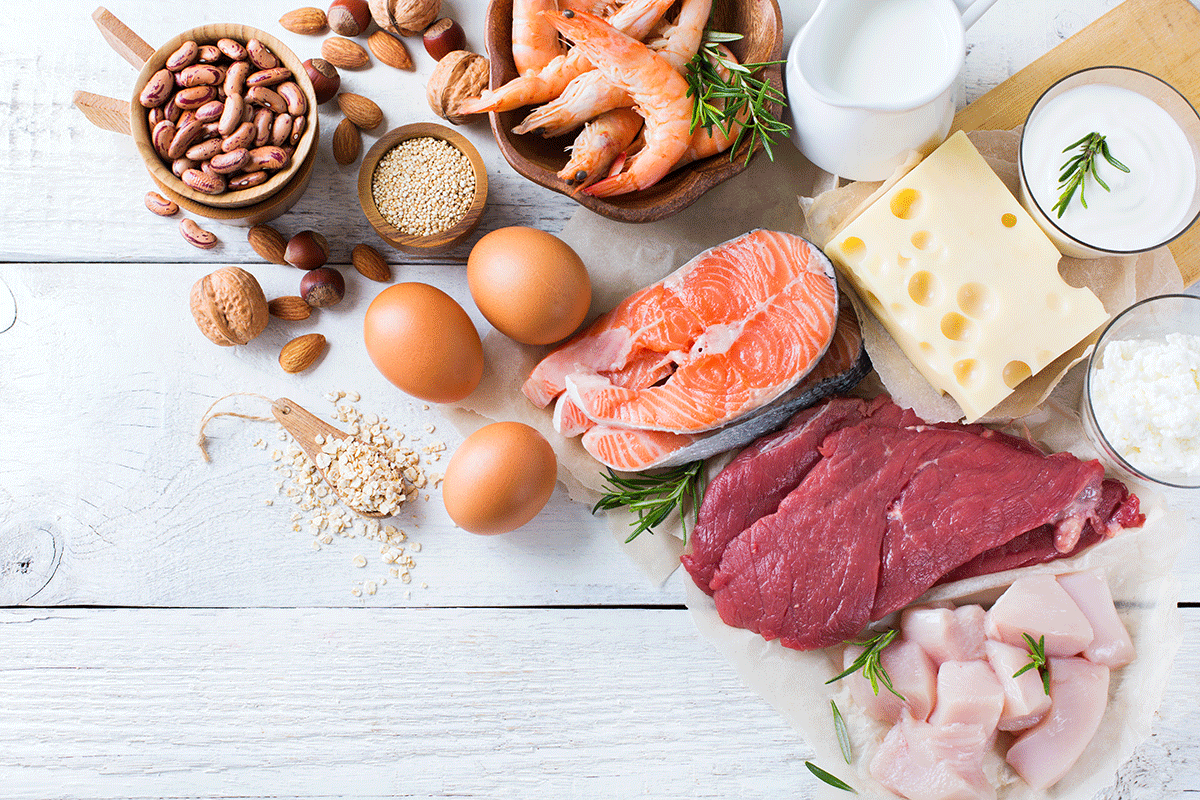
A lack of biotin can have considerable effects, especially on the health of your skin, hair and nails, and on the nervous system.
Not all biotin is the same: there are big differences between the supplements on offer
What to avoid when buying biotin
If you decide to take a biotin supplement, watch out for these:
- low bioavailability
- gelatine capsule shells
- fillers and anti-caking agents
- allergens, if you have allergies (lactose, gluten, soya)
- unnecessary additives
- sugar, alcohol or flavourings
- suspiciously low prices

There are several things to consider when choosing the right biotin supplement.
Dosage forms: how can you take biotin?
Biotin comes in various forms, so there's one to suit everyone. You can simply pick the one you prefer.
Some popular forms of biotin
- tablets
- capsules
- biotin in liposomal form
- less commonly, effervescent tablets and lozenges
The choice mainly comes down to individual preferences and needs. There can be differences in bioavailability, though, and the liposomal form has been found to be the most effective.
Capsules
Pros
Easy to take: just swallow
Practical when you are out and about or travelling
Easy to dose (consistent active ingredient content)
No unpleasant taste or smell
Can be combined with other active ingredients
Cons
Stomach acid can affect absorption of the active ingredient
Digestion can partly break down the active ingredient
The bioavailability of the active ingredient can vary
The capsule shell may contain gelatine
Often contain additives
Unsuitable if you have difficulty swallowing
A high dose may mean taking several capsules
Drops
Pros
Easy to dose
Fast absorption of the active ingredient (via the mucous membranes)
Good for people with difficulty swallowing or stomach problems
Versatile: can be mixed into drinks or food
Cons
The drops can taste unpleasant
Exact dosing can be tricky, as the number of drops varies
The liquid can leak or spill
Short shelf life
Liposomal form
Pros
Highest bioavailability of the active ingredient
Better absorption by bypassing stomach acid
Lower dose needed for the same effect
Can mask the taste of the active ingredient
No additives
Cons
May cost more because manufacturing is more complex
Availability and choice may be limited
Making liposomes can be difficult and requires specialist technology
Less choice, as not all manufacturers can use the method
Because they measure just nanometres across and are rich in fats, liposomes protect the active ingredient inside them from being broken down by enzymes, such as those in saliva and stomach acid. They deliver it directly into the bloodstream, which significantly improves absorption.
Liposomal biotin: high bioavailability at a lower dose
Liposomal biotin is a more advanced form of ordinary biotin.
Your body absorbs it better and can make more use of it.In liposomal supplements, the active ingredient is enclosed in a protective layer of fat that's built just like your own cell membranes. This layer fuses with the cell membrane as soon as it comes into contact with it, and the active ingredient is carried straight into the cell, without the complicated absorption mechanisms of the digestive system.
This makes the biotin up to 64 times more bioavailable.At the same time, the liposomal formulation is better tolerated and causes fewer side effects in the digestive tract, especially for people with a sensitive stomach.

A simple model of a liposome, with a fatty layer on the outside and a watery chamber inside. Liposomes are an innovative technology for releasing active ingredients precisely and efficiently. That's why they're now firmly established in medicine and cosmetics, with a wide range of uses.
More benefits: longer-lasting and better tolerated
Conventional biotin is absorbed quickly once you take it: it peaks in the blood within a few hours and is then broken down again just as fast.
Thanks to innovative liposome technology, biotin in liposomal form can stay active in the bloodstream for longer, giving a more sustained supply. That's ideal if you get only small amounts of biotin from your diet.
On top of that, biotin in liposomal form is particularly well tolerated. While conventional supplements can cause a mildly upset stomach in some people, the protective lipid coating of liposomal products significantly reduces the risk of such side effects.
Top 3: the best biotin products in 2026
There are now countless biotin products on the market. So we've assessed them against several criteria to find the best for you:
How is the biotin product formulated?
Are there any study or test results?
How high is the dose of biotin?
Does it contain any allergens?
How good is the value for money?
Is there anything special about the formulation or production?
product review
TESTED
our quality criteria
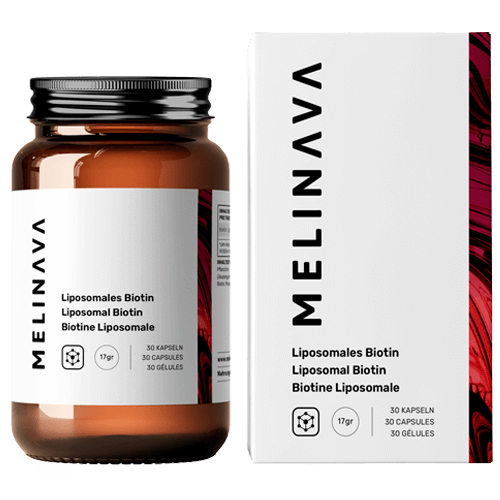
MELINAVA Liposomal Biotin
by MELINAVA
Pros
- Ideal dose: 500 µg (0.5 mg), liposomal
- Highest bioavailability thanks to liposome technology (up to 64 times better absorbed by the body)
- Protection from stomach acid thanks to the liposomal coating
- Longer-lasting effect
- Fewer side effects
- Suitable for people with a sensitive stomach
- Soya-, gluten- and lactose-free
- Gelatine-free capsule
- No fillers
- Free from impurities
- Made in Europe (France)
- Comes in a high-quality glass bottle you can reuse at home later, e.g. for spices
Cons
- Only available online
- Often sold out
- Only available as capsules
Verdict
Melinava Liposomal Biotin achieved the highest overall score and impressed us on several counts. The 500 µg of biotin it contains already has high bioavailability, which the liposomal form increases even further.
So you need to take less and still get a stronger effect.
The effect also lasts between 6 and 8 hours, compared with just 2–3 hours for ordinary biotin.
The liposome technology also leads to higher customer satisfaction, because it is gentle on the stomach and so lowers the risk of side effects.
Melinava builds its products around high effectiveness and 100% pure ingredients of the highest quality. This shows in the positive customer reviews, too.
User satisfaction and the many positive reviews of Melinava Liposomal Biotin speak for themselves.
Melinava has already been used with very good results for problems such as a weakened immune system, skin irritation and hair loss, as well as poor concentration and memory. Users also report a positive effect on mood and a reduction in perceived anxiety.
With Melinava Liposomal Biotin, you only need to take a single capsule a day. A pack contains 30 capsules.
Melinava takes first place in our test (as of January 2026). The manufacturer takes great care to make sure the product is well tolerated, which is why it is completely free from unwanted additives.
You can find more information on the manufacturer's website. A month's supply of Melinava costs 349 kr (discounts are available when you buy 2 or 3 packs).
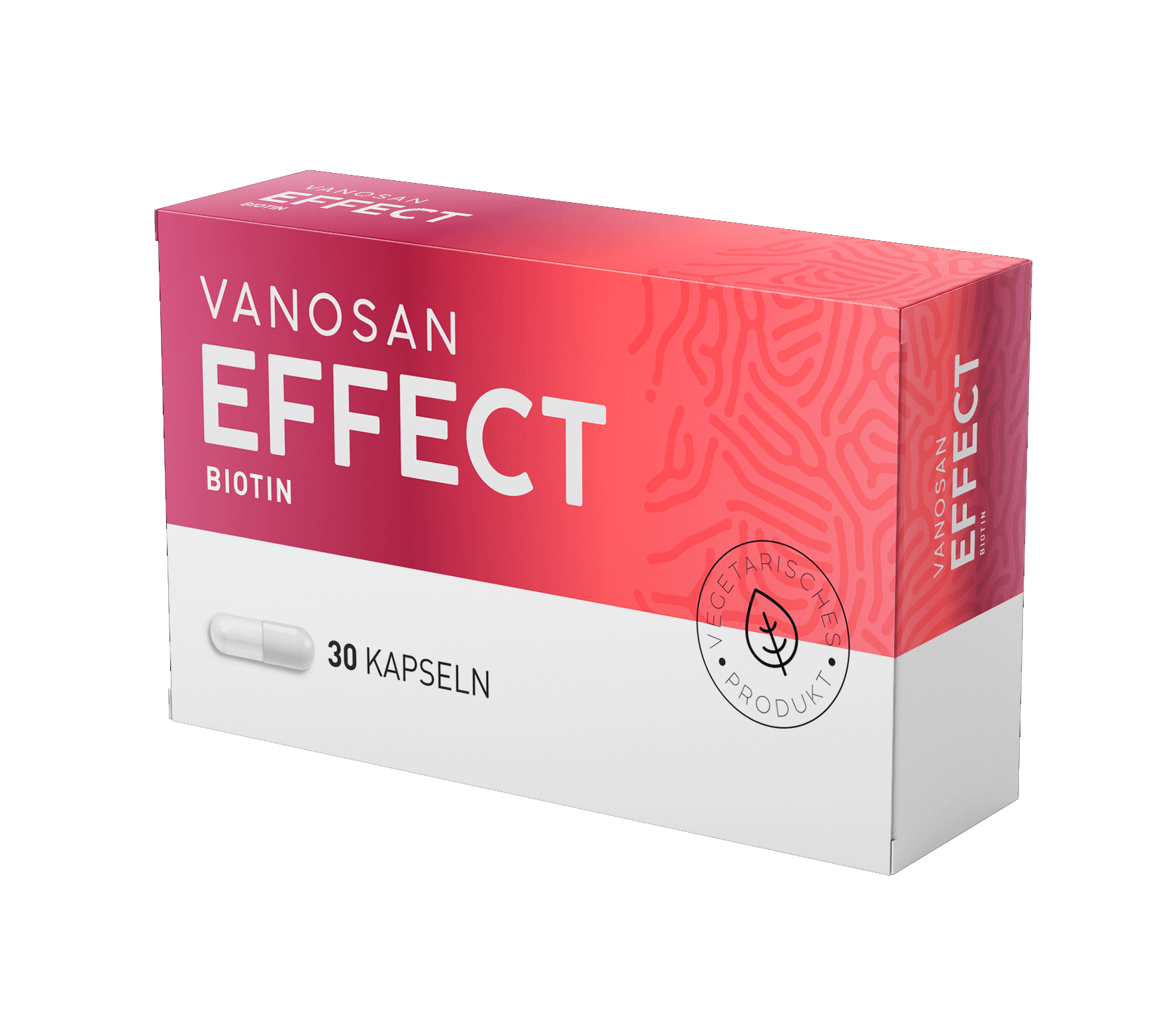
Vanosan Biotin
by VANOSAN
Pros
- Soya- and gluten-free
- Vegetarian
- Laboratory-tested
- Few additives
- Made in Germany
Cons
- Dose may be too high
- No protection from stomach acid
- Tablets are hard to split
- Contains preservatives
Verdict
Vanosan Biotin provides a good dose, with 10,000 µg of biotin a day. The biotin it contains is in a form that is easily absorbed.
Users are positive about Vanosan Biotin. Many find that taking it over a longer period makes them less prone to infections, so it has a positive effect on the immune system.
Some customers complain that they find the dose too high and that the tablets are very hard to break in half.
Vanosan Biotin contains lactose and is therefore not suitable for vegans.
Take one tablet a day with a meal. A pack contains 30 tablets.
vitamaxe Biotin
by VITAMAXE
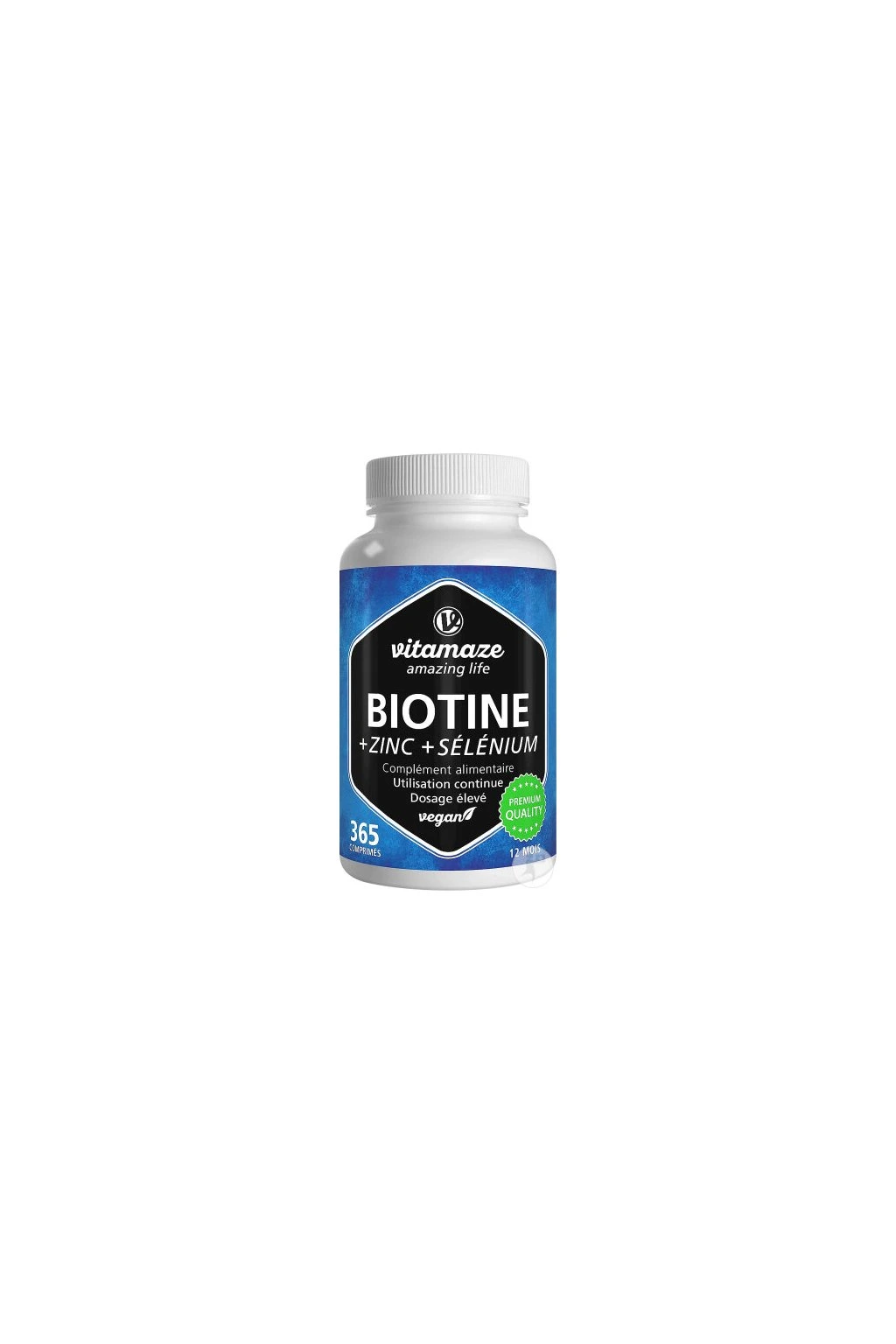
Pros
- Low price
- Combined with zinc and selenium
- Vegan
- Tested for contaminants
- Laboratory-tested
- Few additives
- Made in Germany
Cons
- Zinc content may be too high and can cause side effects (e.g. in the digestive tract)
- Zinc citrate is absorbed slightly less well than zinc picolinate
- 2 tablets a day
- Some customers report little or no effect
- Only available online
- No protection from stomach acid
Verdict
The vitamaxe tablets contain 10,000 µg (10 mg) of biotin, 10 mg of zinc and 55 µg of selenium. Zinc and selenium are also thought to benefit skin, hair and nails.
On the whole, most customers are happy with vitamaxe biotin tablets. Some customers complain, however, that the tablets are relatively large and uncoated, which makes them hard to swallow. Some people have also reported side effects.
The recommended daily dose of 2 tablets is high compared with other biotin products.
Delivery is free with Amazon Prime and usually takes 1–2 working days.
Blood sugar and symptoms: can biotin help with diabetes?
Biotin even appears to help with diabetes. One study found that giving biotin alongside insulin therapy improved blood sugar control and could lower plasma lipid levels in patients with poorly controlled type 1 diabetes.
It also helped in a mouse study: compared with the placebo group, biotin treatment lowered post-meal glucose levels and improved glucose tolerance and insulin resistance.
Biotin is also said to help keep other symptoms of diabetes under control, for example by relieving the pain of diabetic nerve damage.
Biotin may help with more than acne and blemishes: it also supports skin regeneration and protects against premature ageing.
Less stress, more wellbeing: biotin can also have a positive effect on your mental health
Biotin may also help counter mental health problems and stress, because it plays an important role in the nervous system. Studies suggest that a higher intake of biotin and other B vitamins may be linked to a lower prevalence of depression, anxiety disorders and stress symptoms. Biotin contributes to the synthesis of important neurotransmitters, which are needed to regulate mood, concentration and sleep.
Biotin also supports energy metabolism in your cells, giving your brain a steady supply of energy, and this too affects how well you cope with stress. Getting enough biotin could therefore help improve your mental resilience and ease symptoms such as restlessness or exhaustion.
For people under chronic stress or prone to depression in particular, biotin could be part of a well-planned diet. Pregnancy is a time of increased emotional and physical strain, so getting enough biotin is particularly important for pregnant women too, to minimise possible effects on mental health.

Low biotin levels can make depressive symptoms worse. Studies show that getting the right amount of biotin can support wellbeing and stabilise mood.
Our verdict: biotin supports your body in many ways
Of course, you shouldn't take too much biotin, or take it over a long period without talking to your doctor. But did you know that biotin can do far more than strengthen skin, hair and nails? It supports energy metabolism, contributes to the function of the nervous system and promotes healthy cell regeneration.
So biotin can certainly benefit your health too: take a look at our product recommendations and find the supplement that's right for you.
Several biotin products tested
* We may earn a commission from some of the companies featured. This is how we keep our comparisons free to read.
Some of these companies are our commercial partners.
Sources
1. https://efsa.onlinelibrary.wiley.com/doi/epdf/10.2903/j.efsa.2010.1728
2. https://www.rosenfluh.ch/media/ernaehrungsmedizin/2004/03/Biotin-Vitamin-H.pdf
3 . https://pubmed.ncbi.nlm.nih.gov/33848753/
5. https://www.ncbi.nlm.nih.gov/pmc/articles/PMC3679599/
6. https://www.sciencedirect.com/science/article/abs/pii/0024320588902263