
Guide
Berberine: the best products compared (2026)
Last updated: 1 August 2026

Written by
Health Tested Editorial Team
Raised blood sugar after meals, sugar cravings, stubborn belly fat even though you haven't changed your diet, rising cholesterol at your check-up: if you've noticed these changes since turning 45, you're not alone.
One plant compound is attracting growing interest from researchers: berberine. Extracted from the root of the barberry, it has been used in Chinese and Ayurvedic medicine for more than 3,000 years and is now backed by numerous clinical studies.
Research shows that berberine acts on blood sugar, blood lipids, weight and gut health.¹ For people with prediabetes or a metabolism that's out of kilter, it can be an effective form of natural support.
In this comparison, we explain how berberine works, what to look for when choosing a product and which supplements did best in our test.

There are countless berberine supplements on the market, but not all of them are effective.
Golden-yellow medicine from nature
Berberine is an isoquinoline alkaloid, one of a group of bioactive plant compounds with an intense yellow colour. It occurs in several plants, above all in barberry (Berberis vulgaris), Chinese goldthread (Coptis chinensis) and goldenseal (Hydrastis canadensis).
Berberine is one of the oldest medicines known to humankind. In China, barberry has been among the most important medicinal plants of all for thousands of years, and in Ayurvedic medicine it's used for inflammation, infections and digestive problems.
Yet it's only in the last 20 years that scientists have begun to understand why this unassuming yellow plant compound has such a powerful effect. What they found surprised even them.
An alkaloid with a history
Its bright yellow colour was prized even in ancient times: berberine was used to dye fabrics. But its real importance lay in medicine. Goldthread has been one of the most important medicinal herbs in China for thousands of years. It was traditionally used for diarrhoea, infections and 'heat in the body', which modern science would call inflammation.²
In Europe, barberry products were used for digestive problems, gallbladder ailments and infections. Then came the era of synthetic medicines, and berberine was largely forgotten.
That changed in the 1980s, when researchers stumbled on something: Chinese diabetes patients who were being given berberine for diarrhoea suddenly had much better blood sugar levels. This chance discovery laid the foundation for one of the most exciting research stories in modern herbal medicine.
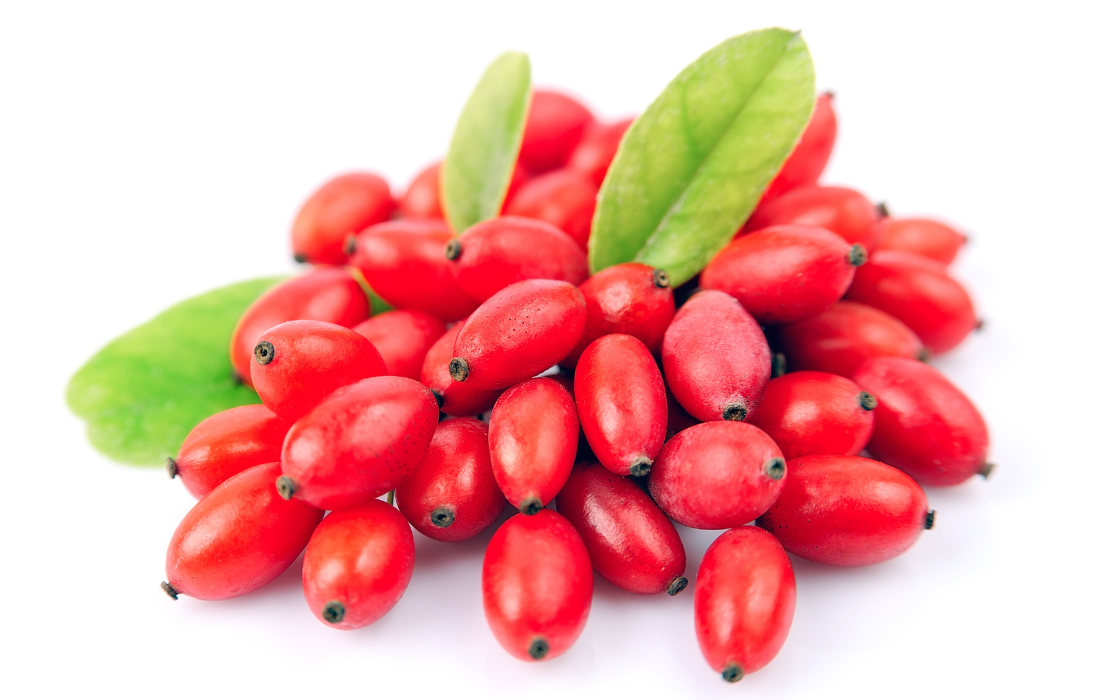
Berberine is found in several medicinal plants, including barberry, goldenseal and Oregon grape leaf.
Berberine and blood sugar: what the research shows
The effect of berberine in diabetes has been examined in numerous clinical studies. These have shown that, much like diabetes medication, it can lower blood sugar levels.³
The studies show that the plant compound works at the cellular level by activating a key mechanism. As a result, the muscles take up more sugar from the blood and, at the same time, the liver produces less sugar. The result is more stable blood sugar throughout the day.⁴ ⁵
What's particularly impressive is that berberine also works in people who no longer respond to diabetes medication. In one study, people with diabetes whose blood sugar was too high despite medication were given berberine as well. The combination lowered blood sugar much more than the medication alone.⁶
Berberine and vascular health
Thrombosis, the formation of blood clots in the blood vessels, is a serious health problem. In Germany, more than 100,000 people develop deep vein thrombosis every year, and worldwide, venous and arterial thromboses are among the most common preventable causes of death.⁷
Alongside conventional treatment approaches, there's growing interest in plant compounds that could affect blood clotting. One of the most important is berberine, which shows potential antithrombotic properties. Studies suggest that berberine may inhibit platelet clumping and reduce inflammation in the blood vessels, both of which increase the risk of blood clots.⁸
The research is promising but not yet complete. Berberine is no substitute for treatment prescribed by a doctor, but alongside such treatment it may contribute to vascular health.
An ally against troublesome belly fat
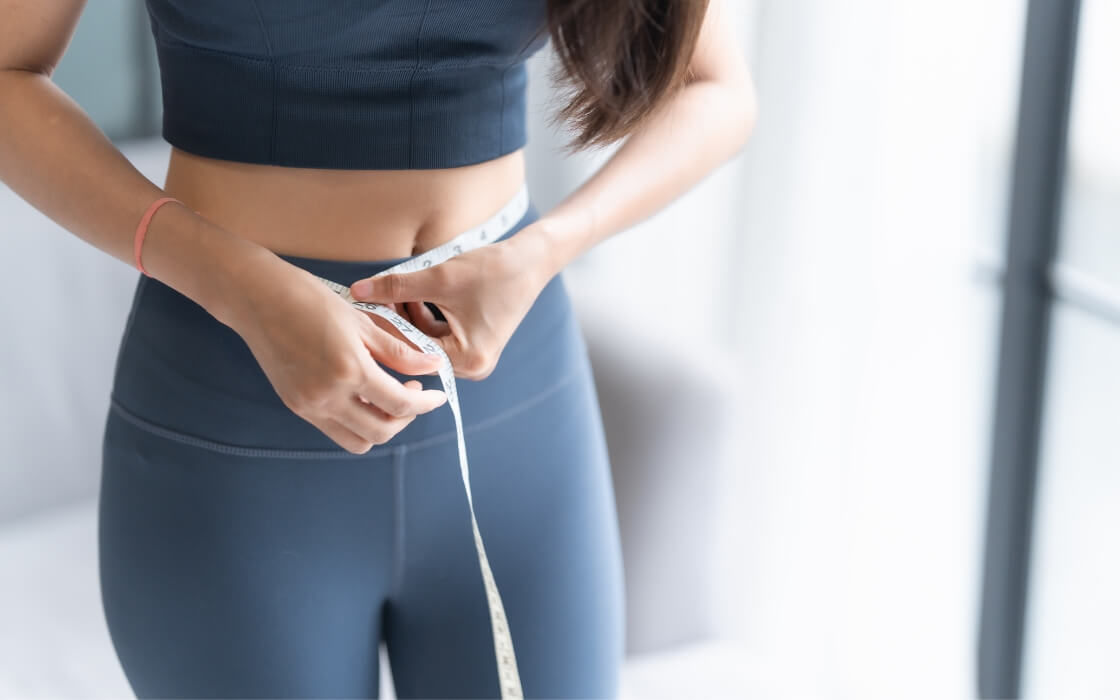
Berberine's effects are unusually wide-ranging, and there's a good reason for that: berberine activates a key regulatory molecule in metabolism called AMPK. This enzyme acts like a 'metabolic master switch' in every cell. Once AMPK is switched on, cells absorb more glucose, burn more fat and produce less cholesterol, while inflammatory processes are dialled down. Put simply, the body switches from 'storage mode' to 'burning mode'. That's exactly what exercise or fasting does too.⁹ ¹⁰
It's important to note, though: weight loss is usually moderate. Berberine isn't a 'miracle cure', but combined with diet and physical activity it can get your metabolism going and enhance weight loss.
Your body has a metabolic switch: the enzyme AMPK. Berberine activates it and shifts your body from storage mode into burning mode.
The key benefits of berberine
As the years go by, your metabolism changes noticeably. Blood sugar stays raised for longer after meals, belly fat grows even though you haven't changed your diet, and by your next check-up your cholesterol levels have got worse again. This is exactly where berberine can help. It may:
- lower blood sugar and HbA1c
- improve insulin sensitivity, so your body uses sugar more efficiently
- reduce cravings thanks to more stable blood sugar
- lower LDL cholesterol and triglycerides
- target and reduce belly fat
- bring your gut flora back into balance
- inhibit inflammatory processes in the body
- take some of the strain off a fatty liver
- lower mildly raised blood pressure
- support vascular health

There are several factors to consider when choosing the right product.
Signs of a disrupted metabolism
Many of these signs are ignored for years or dismissed as a normal part of getting older. Yet they can point to insulin resistance or a metabolism that's out of kilter:
- raised fasting blood sugar (over 100 mg/dl)
- constant hunger despite eating enough
- sugar cravings, especially after meals
- growing belly fat with no change in diet
- tiredness after carbohydrate-rich meals
- raised cholesterol levels
- digestive problems, bloating
- energy levels that fluctuate through the day
Not all berberine is the same
There's a catch with supplements: your body absorbs berberine relatively poorly. A large share of the active ingredient is broken down in the gut before it reaches the bloodstream. To improve bioavailability, modern supplements use various technologies:
- Liposomal formulations wrap berberine in tiny fat bubbles that pass through the gut wall more easily. Studies show up to five times better absorption.
- Special salt forms: compounds such as berberine hydrochloride (berberine HCl) increase bioavailability further.
- Berberine phytosome complexes bind berberine to phospholipids from soya or sunflower. These complexes are more fat-soluble and reach higher blood levels.
- Combining it with piperine, an extract from black pepper, can also increase absorption by inhibiting certain enzymes that break berberine down. However, piperine doesn't suit everyone and can interact with medication.
Dosage forms: how can you take berberine supplements?
Berberine is mainly available as capsules or tablets. Liposomal forms in capsules offer the best absorption of the active ingredient.
One thing to note: berberine should be taken with meals. The reason is that its blood-sugar-lowering effect works best when berberine reaches the gut together with food, especially carbohydrates.
Capsules
Pros
Easy to take: you just swallow them
Convenient on the go and when travelling
Easy to dose (each capsule contains the same amount)
No unpleasant taste or smell
Can be combined with other active ingredients
Cons
Stomach acid can affect absorption
Digestion can break down some of the berberine
Bioavailability can vary
The capsule shell may contain gelatine
Often contain additives
Unsuitable for people who have difficulty swallowing
Several capsules may be needed if the dose is low
Drops
Pros
Easy to dose
Fast absorption through the mucous membranes
Good for people with swallowing difficulties or stomach problems
Versatile: can be mixed into drinks or food
Cons
The drops may taste unpleasant
Exact dosing can be difficult, as the number of drops varies
The liquid can drip or spill
Short shelf life
Liposomal form
Pros
Higher bioavailability
Better absorption by bypassing stomach acid
Lower dose needed for the same effect (usually just 1 capsule)
Can mask the taste of the berberine
No additives
Cons
May cost more because of the more complex manufacturing process
Availability and choice may be limited
Making liposomes can be difficult and requires specialist technology
Smaller choice, as not all manufacturers use the process
Why liposomal berberine is the better choice
Berberine has one major drawback: your body can barely absorb it. Studies put the bioavailability of conventional berberine supplements at just 0.36%. Only a vanishingly small share actually arrives where it's meant to work. Berberine is broken down so quickly in the gut that most of it never even reaches the bloodstream.
Liposomal berberine tackles this problem at the root. The active ingredient is wrapped in a protective fat capsule that shields it from breakdown in the gut and carries berberine straight into the blood.
If you take liposomal berberine, you need much smaller amounts to achieve the same effect. A smaller dose that really reaches your body is worth more than a high dose that's lost in the digestive tract.
Gentle on the stomach and gut
Conventional berberine has a well-known drawback: in many people it causes stomach and bowel problems, especially at higher doses. Nausea, diarrhoea and stomach cramps are among the most common reasons people stop taking it.
Liposomal berberine gets around this problem. The protective capsule prevents direct contact between the active ingredient and the stomach lining, and at the same time allows a lower dose with the same effect. That makes liposomal supplements particularly suitable if you have a sensitive stomach or have had bad experiences with berberine in the past.

Simple model of a liposome. A liposome is like a tiny bubble, with a layer of fat on the outside and a watery core on the inside. This structure makes liposomes particularly effective, as they can transport and release active ingredients selectively. Thanks to this innovative technology, liposomes have become increasingly important in medicine and cosmetics. They allow active ingredients to be absorbed effectively, protect them from breakdown and offer a wide range of uses.
Top 3: the best berberine products of 2026
There are countless berberine products on the market today. We assessed them against several criteria to find the best ones for you:
What is the supplement made of?

Are there study or test results?

How high is the dosage of the nutrient?
Does the product contain allergens?

How good is the value for money?

Are there any special features in the composition or manufacturing?
product review
TESTED
our quality criteria
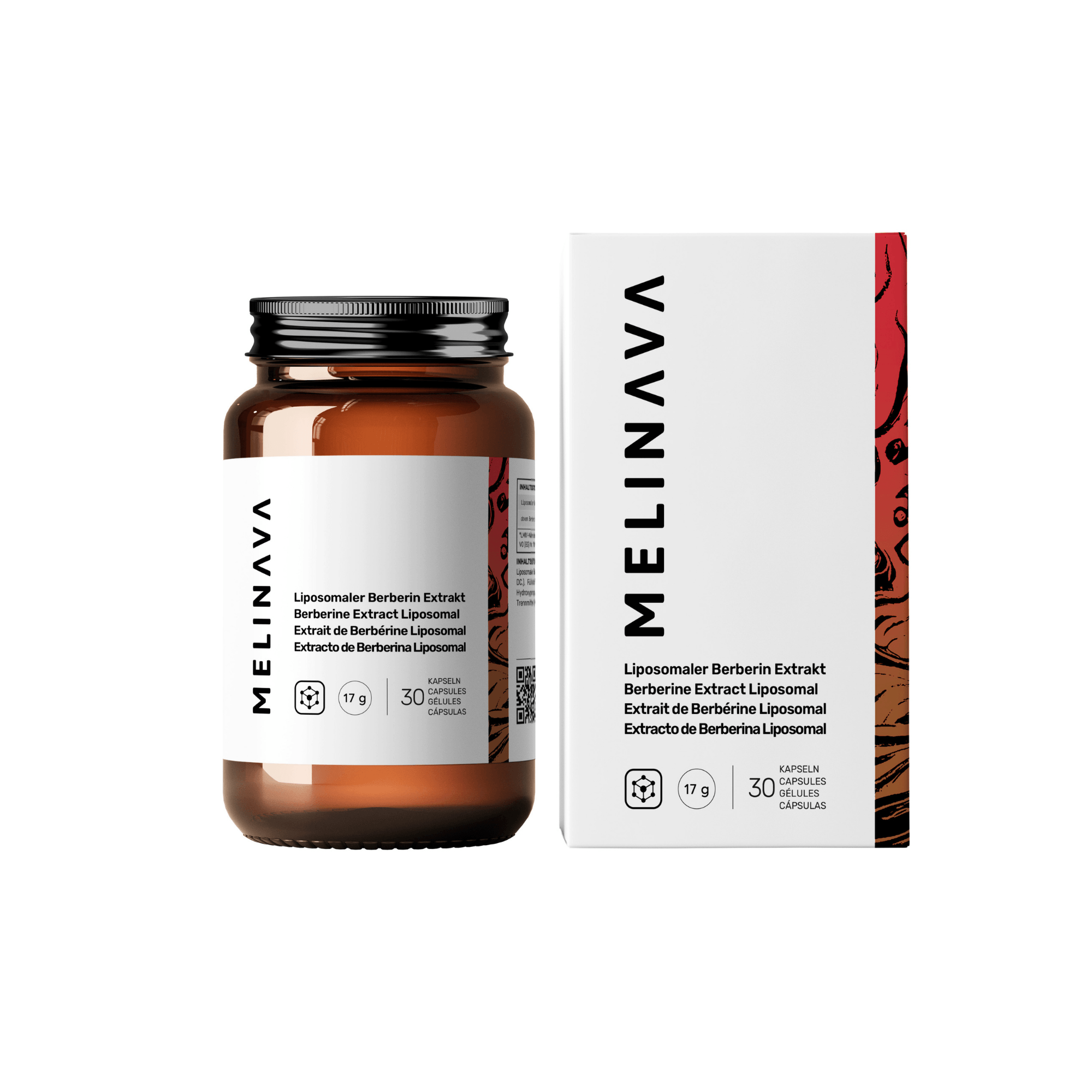
MELINAVA Liposomal Berberine Extract
by MELINAVA
Pros
- High-strength: 450 mg of high-purity berberine extract
- Highly soluble berberine HCl
- Natural origin: barberry root
- 100% plant-based
- Liposomal formulation for better absorption
- Just 1 capsule a day
- Free from allergens (gluten-free, lactose-free, soya-free)
- No artificial additives or fillers
- Vegan
- Made in Europe
- Brown glass packaging that protects against light
- 30 capsules: one month's supply
Cons
- Only available online
- Higher price because of the liposome technology
Verdict
Melinava Liposomal Berberine Extract takes first place in our test. The capsules are high-strength, with 450 mg of liposomal berberine HCl per daily dose.
The dose is below the recommended levels, but Melinava uses state-of-the-art absorption technology. Liposomal encapsulation means that much more berberine gets into the blood, greatly increasing bioavailability.
The berberine also comes as hydrochloride in a 100% pure barberry root extract. This combination noticeably increases its effectiveness, putting it well ahead of conventional supplements with far higher doses.
Its purity deserves special mention: laboratory analyses confirm that it contains no heavy metals, pesticides or solvent residues. Manufacturing in Europe to GMP standards ensures consistently high quality.
Customers report noticeable improvements in their blood sugar levels after 4–6 weeks, and cholesterol and weight often change for the better too.
Users with long-standing weight problems have found that Melinava gives their metabolism support they can feel.
It is very well tolerated across the board, thanks to the liposomal formulation of the capsules. The manufacturer takes tolerability very seriously, which is why the product is completely free from unwanted additives.
Melinava has shown very good results for symptoms such as diarrhoea, constipation and bloating.
Taking it is simple: one capsule is enough, and if you have trouble swallowing, you can take it with a glass of water.
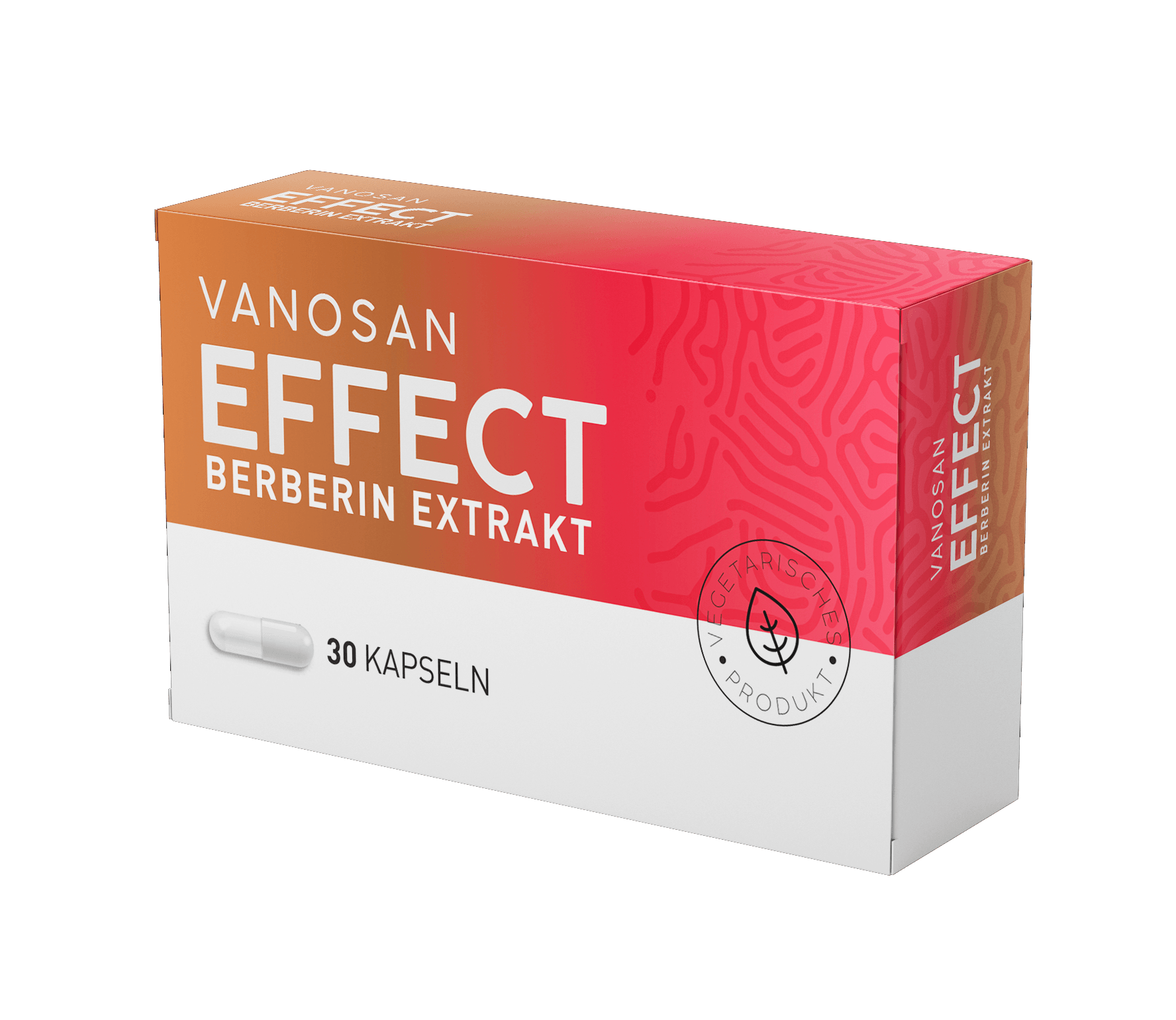
Vanosan Berberine
by VANOSAN
Pros
- 500 mg berberine per capsule
- 90 capsules per pack
- Laboratory-tested
- Made in Germany
- Free from colourings and preservatives
- Soya-free and gluten-free
- Vegan
Cons
- No liposomal formulation (poorer absorption)
- 3 capsules a day needed
- Only available online
Verdict
Vanosan Berberine is a very solid entry-level product for anyone whose main concerns are price and purity. The dosage is decent, the laboratory testing attests to its quality, and manufacturing in Germany under certified conditions is a plus.
The decisive drawback is the lack of absorption technology. Of the 500 mg of berberine per capsule, possibly only around 25 mg actually reaches the blood. That may be enough for local effects in the gut, but for systemic effects on blood sugar and cholesterol, liposomal supplements are clearly superior.
On top of that, the recommended daily dose is three capsules, which many users find inconvenient in the long run.
As an introduction to berberine, or for anyone who mainly wants it to support gut health, Vanosan is an affordable option.
Like Melinava, the brand stands out for its fast delivery. The pack contains 90 capsules, a one-month supply.
How to take it: 3 capsules a day with meals.
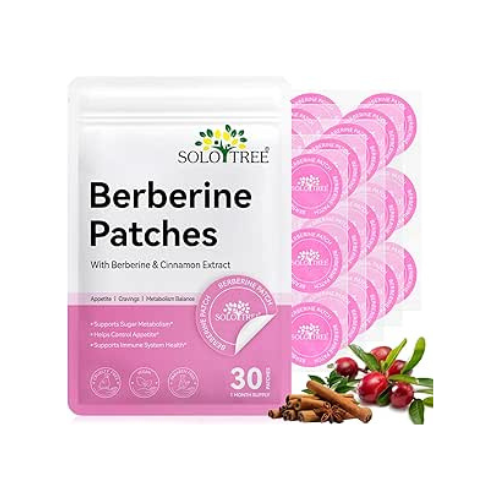
SOLOTREE Berberine Patches
by SOLOTREE
Pros
- Also contains cinnamon, pomegranate and B vitamins
- 30 patches per pack
- Laboratory-tested for contaminants
- Vegan
- Easy to use
Cons
- No information on bioavailability
- No information on dosage
- Unclear origin of the berberine
- Made in China
- Less effective when applied to the skin
Verdict
The berberine patches from Solotree take third place and are a product for a very specific group: people who cannot or do not want to swallow capsules and who mainly want berberine for its anti-inflammatory and digestive benefits.
They could hardly be easier to use. The patches are stuck onto the skin, and unlike with conventional berberine capsules, the active ingredient is absorbed through the skin. The cinnamon, pomegranate and B vitamins are a sensible addition, and the price is attractive.
For local use and general support for wellbeing, the product can be a practical option.
If you mainly want to target blood sugar, cholesterol or weight, however, you should know that these effects have only been shown in studies with oral use. The patches therefore work best alongside an oral supplement.
One patch can be worn for 8 hours a day.
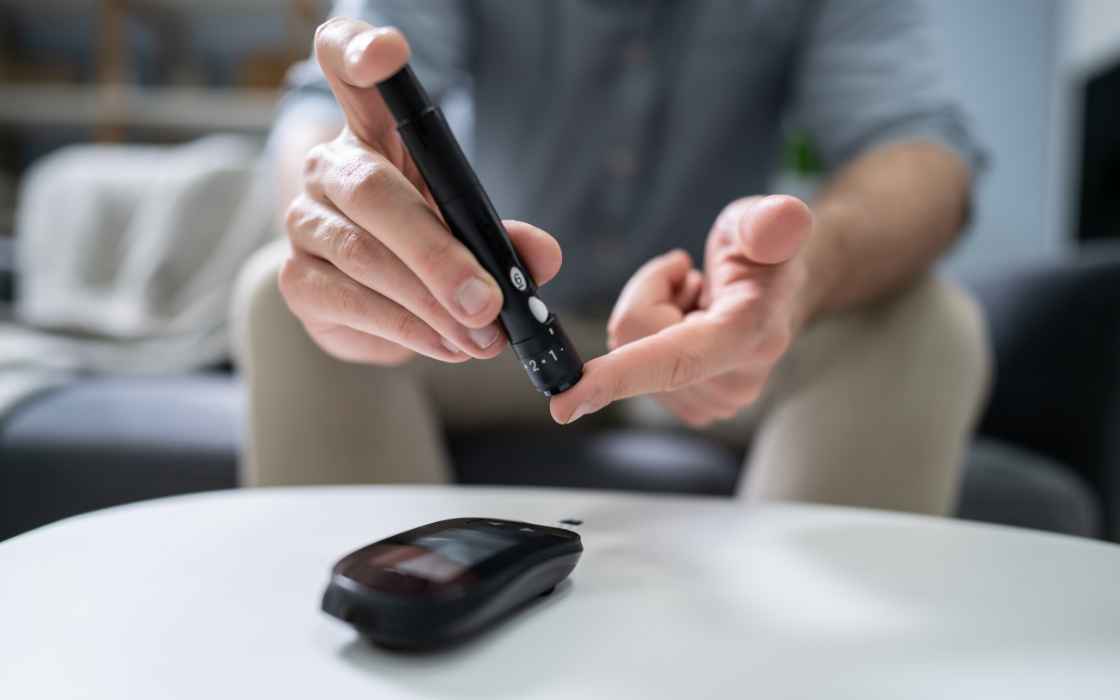
Raised blood sugar after meals puts a gradual strain on your body, often without you noticing it straight away. Berberine can help flatten these spikes and keep blood sugar levels more stable.
Blood sugar under control, without chemicals
Type 2 diabetes is one of the most widespread diseases of the 21st century. In Germany, around 8 million people are affected, and the number is rising. Many more have prediabetes: raised blood sugar levels that don't yet count as diabetes but are already dangerous.
Years of raised blood sugar slowly damage the nerves, kidneys, eyes and blood vessels. The risk of heart attack and stroke rises.
Berberine has been shown to lower fasting blood sugar and improve HbA1c, which reflects your average blood sugar over the past three months. At the same time, it stabilises blood sugar levels after meals, which can noticeably reduce cravings.
The effect isn't immediate, because berberine isn't a substitute for insulin. But over weeks and months it can fundamentally improve your metabolic health. Regular blood sugar checks are important to keep track of your progress.
Weight and waist size: when the kilos won't budge
Many people know the feeling: even though they haven't changed their diet and they exercise regularly, their waistline slowly grows over the years.
Conventional diets often don't help much: you lose weight from your arms and legs, but the belly fat stays put. The reason is that belly fat is particularly insulin-resistant and hormonally active.
This is exactly where berberine comes in. It activates AMPK, and this enzyme switches metabolism from storing fat to burning fat. At the same time, it improves insulin sensitivity, which means less insulin circulates in the blood, so less fat is stored.
The liver benefits too. Berberine can reduce the build-up of fat in the liver. Fatty liver now affects around one in four adults and slows down your entire metabolism.
The gut and the microbiome: the underrated effect
Berberine was traditionally used mainly for diarrhoea, and with good reason: it has an antibacterial effect but, unlike conventional antibiotics, it isn't indiscriminate. Berberine distinguishes between harmful and beneficial bacteria. It inhibits harmful germs while encouraging beneficial gut bacteria, including those that protect and strengthen the gut lining. That's more than a minor bonus: people with healthy gut flora have been shown to be less likely to be overweight or to have blood sugar problems or chronic inflammation. Combined with probiotics and a high-fibre diet, berberine can make a real contribution to gut health.

A healthy microbiome is more than good digestion. Berberine inhibits harmful gut bacteria while encouraging beneficial ones, which can affect weight, blood sugar and inflammation.
Our verdict: a metabolic all-rounder from nature
Berberine is one of the most thoroughly researched plant compounds of all. Numerous studies confirm its supportive effect on blood sugar, blood lipids, weight and gut health. The fact that it's also anti-inflammatory and protects the liver makes it one of the most versatile natural substances there is.
What matters is what goes into the product. Look for a natural, pure source, an adequate dose and, above all, a technology that improves absorption. Liposomal formulations have clear advantages over conventional products here.
If you decide to try berberine, be patient. The effect builds up over weeks, not overnight. But for many people, it can be the key to finally getting blood sugar, cholesterol and weight under control.
Find the right berberine product for your needs in our comparison.
See the berberine products we tested
* We may earn a commission from some of the companies featured. This is how we keep our comparisons free to read.
Some of these companies are our commercial partners.
Sources
1. Neag MA et al. Berberine: Botanical Occurrence, Traditional Uses, Extraction Methods, and Relevance in Cardiovascular, Metabolic, Hepatic, and Renal Disorders. Front Pharmacol. 2018.
2. Imenshahidi M, Hosseinzadeh H. Berberis Vulgaris and Berberine: An Update Review. Phytother Res. 2016.
3. https://biogena.com/de-de/wissen/ratgeber/berberin-wirkung_bba_6482710
4. https://link.springer.com/article/10.1186/1472-6882-14-188
5. https://pubmed.ncbi.nlm.nih.gov/20953398/
6. https://www.mdpi.com/2072-6643/13/7/2373
7. https://www.risiko-thrombose.de/presse.html
8. https://biogena.com/de-de/wissen/ratgeber/berberin-wirkung_bba_6482710
9. Idem.
10. Yang J et al. Berberine improves insulin sensitivity by inhibiting fat store and adjusting adipokines profile in human preadipocytes and metabolic syndrome patients. Evid Based Complement Alternat Med. 2012.
11. Yin J et al. Efficacy of Berberine in Patients with Type 2 Diabetes. Metabolism. 2008.